
Elevate your pizza night with this incredibly flavorful and aromatic Herb Butter Swirled Sourdough Pizza Crust! This recipe combines the delightful tang of sourdough with a rich, savory herb butter that creates a beautifully golden and irresistibly delicious crust. Forget store-bought – once you experience the satisfaction of making your own sourdough pizza base, you’ll never go back. This crust isn’t just a foundation for toppings; it’s a star in its own right, boasting a delightful chew and a buttery, herbaceous aroma that will fill your kitchen. Get ready to impress your friends and family with a pizza experience like no other!
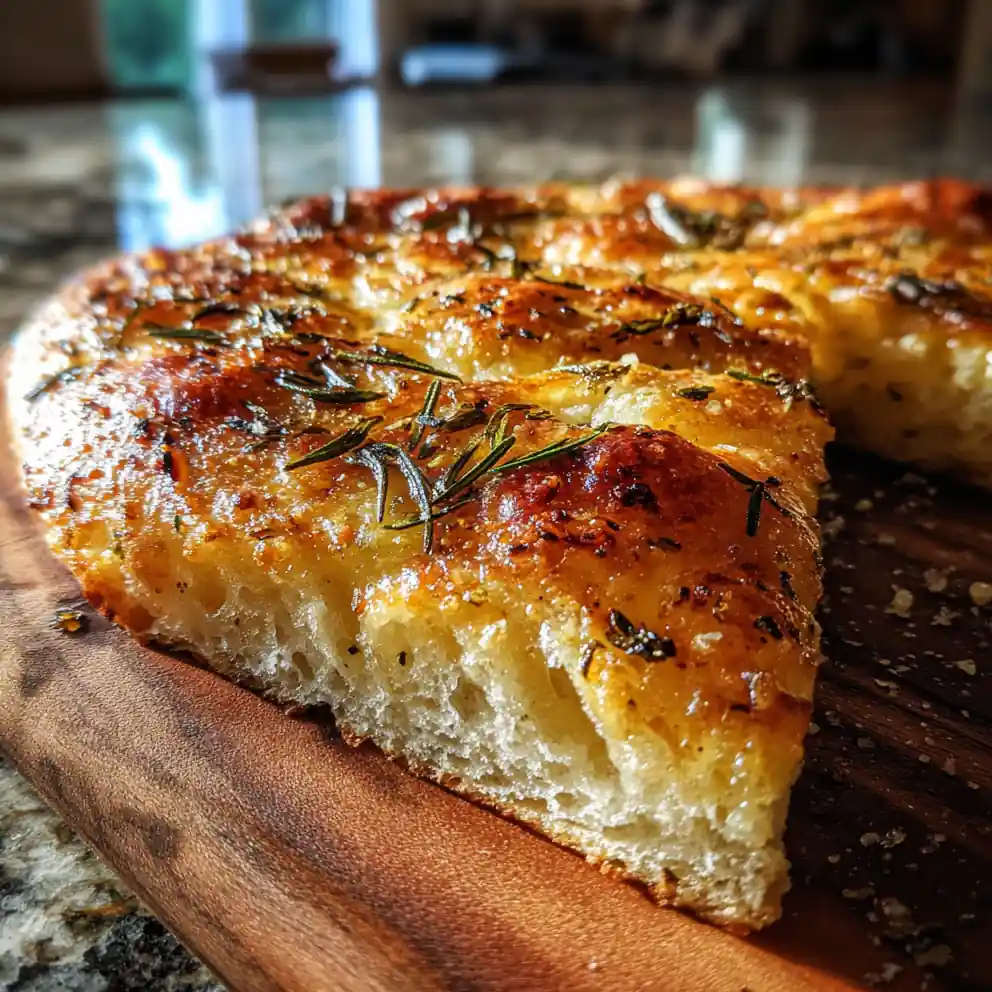
Ingredients for Herb Butter Swirled Sourdough Pizza Crust
- 300g (10 ½ oz) Bread Flour: We recommend using bread flour for its higher protein content, which develops a strong gluten structure, resulting in a chewy and robust crust. All-purpose flour can be used in a pinch, but the texture won’t be quite as satisfying.
- 180g (6 ¼ oz) Water, Lukewarm: The water temperature is crucial for activating the sourdough starter. Lukewarm (around 95-105°F or 35-40°C) provides the ideal environment for the yeast to thrive.
- 60g (2 ⅛ oz) Active Sourdough Starter (100% Hydration): A bubbly, active starter is essential for a successful sourdough crust. 100% hydration means equal parts flour and water in your starter. Ensure your starter has been fed and doubled in size before using.
- 6g (0.2 oz) Fine Sea Salt: Salt not only enhances the flavor but also controls the yeast activity and strengthens the gluten. Fine sea salt dissolves easily into the dough.
- 15g (1 tbsp) Extra-Virgin Olive Oil: Olive oil adds flavor and helps create a softer, more pliable dough. It also contributes to a slightly crispy crust.
- 50g (1 ¾ oz) Unsalted Butter, Softened: Using softened butter is key for easily blending it with the garlic and rosemary. Unsalted butter allows you to control the overall saltiness of the crust.
- 2 Cloves Garlic (≈10g / 0.35oz), Minced: Freshly minced garlic provides a pungent and aromatic flavor to the herb butter. Adjust the amount to your preference.
- 1 tbsp Fresh Rosemary Leaves (≈3g / 0.1oz), Finely Chopped: Rosemary’s piney aroma complements the garlic and butter beautifully. Fresh rosemary is preferred for its vibrant flavor.
- 1 tsp Flaky Sea Salt, for Topping: Flaky sea salt adds a delightful crunch and burst of flavor to the finished crust. Maldon salt is a popular choice.
- 1 tbsp Extra-Virgin Olive Oil, for Brushing: Brushing the crust with olive oil before baking helps it achieve a golden-brown color and prevents it from drying out.
Ingredient Substitutions
While we recommend sticking to the recipe for the best results, here are a few substitutions you can consider:
- Bread Flour: As mentioned, all-purpose flour can be used, but the crust will be less chewy.
- Rosemary: Thyme or oregano can be substituted for rosemary, though the flavor profile will change.
- Garlic: Garlic powder (about ½ tsp) can be used if you don’t have fresh garlic, but the flavor won’t be as intense.
Baking the Perfect Herb Butter Swirled Sourdough Pizza Crust: A Step-by-Step Guide
- Combine Dough Ingredients: In a large bowl, whisk together the bread flour and fine sea salt. Add the lukewarm water, active sourdough starter, and olive oil. Using your hands or a dough scraper, mix until a shaggy dough forms. Don’t overmix at this stage; a shaggy dough is perfectly fine.
- Knead the Dough: Turn the dough out onto a lightly floured surface. Knead for approximately 5-7 minutes. The dough will start sticky, but it will become smoother and more elastic as you knead. A well-kneaded dough develops gluten, which gives the crust its structure and chewiness.
- Bulk Fermentation with Stretch and Folds: Place the kneaded dough back into the bowl, lightly oiled to prevent sticking. Cover the bowl with plastic wrap or a damp towel. Let it bulk ferment at room temperature for 3-4 hours. Crucially, perform a set of stretch and folds every 30 minutes during the first 2-2.5 hours. To do this, gently grab one side of the dough, stretch it upwards, and fold it over onto itself. Rotate the bowl and repeat this process 3-4 times. This builds strength in the dough.
- Prepare the Herb Butter: While the dough is fermenting, make the herb butter. In a small bowl, combine the softened butter, minced garlic, and finely chopped rosemary. Mix thoroughly until everything is evenly distributed. The quality of the butter significantly impacts the flavor, so use a good quality unsalted butter.
- Shape the Dough: After bulk fermentation, gently turn the dough out onto a lightly floured surface. Divide it into one portion for a large crust or two for smaller individual pizzas. Gently shape the dough into a round disc, about 25cm (10 inches) in diameter. Aim for a slightly thicker rim, as this will become the swirled edge. Avoid degassing the dough too much during shaping.
- Apply the Herb Butter Swirl: Spread a thin, even strip of the herb butter along the outer edge of the dough, leaving about 2cm (¾ inch) of the rim bare. Carefully fold the rim over the buttered edge, sealing it to create a buttery ribbon. This is the signature swirl!
- Rest the Shaped Crust: Cover the shaped dough loosely and let it rest for 30 minutes. This allows the gluten to relax, making it easier to transfer to the pizza stone and preventing it from shrinking back during baking.
- Preheat the Pizza Stone: Place a pizza stone on the middle rack of your oven and preheat to 250°C (482°F) or the highest setting your oven allows for at least 45 minutes. A properly heated pizza stone is essential for a crispy crust.
- Bake the Crust: Carefully transfer the rested crust to a parchment-lined pizza peel. Brush the surface lightly with extra-virgin olive oil. Slide the crust onto the hot pizza stone. Bake for 10-12 minutes, or until the crust is golden brown and the herb-butter ribbon is glossy and slightly caramelized.
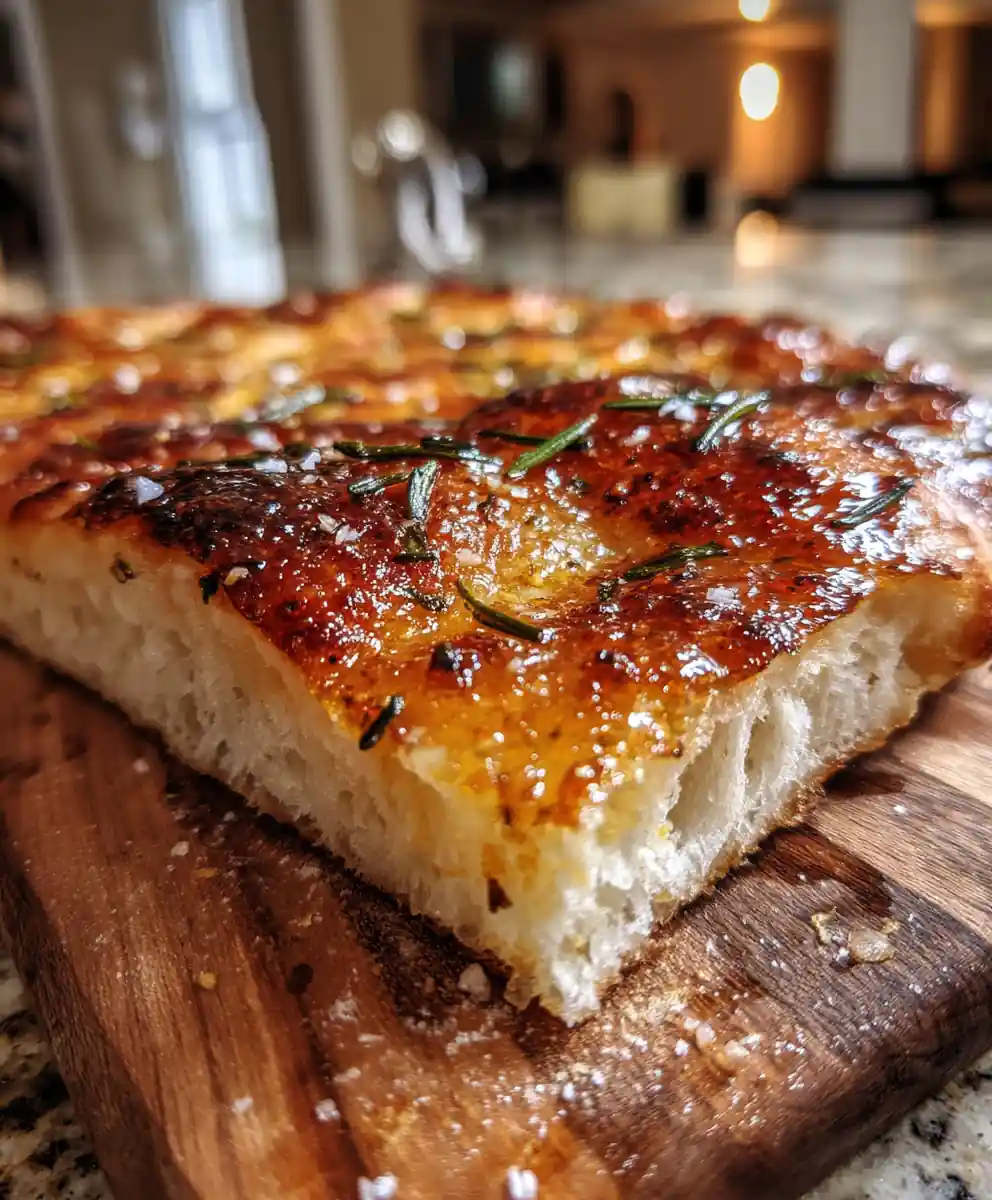
- Finish and Serve: Immediately after removing the crust from the oven, brush it again with a little olive oil. Sprinkle with flaky sea salt and scatter a few fresh rosemary leaves for added aroma and visual appeal. Let the crust rest for 5 minutes before slicing and serving.
Why Sourdough Makes the Best Pizza Crust
Sourdough isn’t just a trendy bread; it brings a unique set of benefits to pizza crust. The long fermentation process breaks down complex carbohydrates, making the dough easier to digest. More importantly, it develops incredible flavor – a subtle tang that complements the toppings beautifully. The gluten structure created during sourdough fermentation is also more extensible, resulting in a chewier, more satisfying crust. The wild yeasts and bacteria in the starter contribute to a more complex flavor profile than commercially produced yeast.
Herb Butter: The Flavor Amplifier
The herb butter isn’t just a pretty swirl; it’s a flavor powerhouse. The melted butter infuses the crust with richness and aroma, while the garlic and rosemary add a savory, herbaceous note. Using softened butter is crucial for even distribution and easy spreading. The caramelization of the butter during baking creates a delightful crispy texture and intensified flavor.
Troubleshooting: Common Issues and Solutions
- Dough is too sticky: Add a tablespoon of flour at a time during kneading until it becomes manageable.
- Crust isn’t crispy enough: Ensure your pizza stone is thoroughly preheated. You can also try baking for a few minutes longer.
- Herb butter is burning: Reduce the oven temperature slightly or shield the edges of the crust with foil during the last few minutes of baking.
Variations and Topping Ideas
This herb butter swirled sourdough pizza crust is a blank canvas for your culinary creativity! Experiment with different herbs in the butter – thyme, oregano, or basil would all be delicious. For toppings, consider classic Margherita with fresh mozzarella and tomato sauce, a spicy pepperoni, or a gourmet combination of roasted vegetables and goat cheese. Don’t be afraid to get creative!
Frequently Asked Questions (FAQ)
- Can I use store-bought sourdough starter? Yes, absolutely! Just make sure it’s active and bubbly.
- Can I make the dough ahead of time? Yes, you can. After the bulk fermentation, punch down the dough, wrap it tightly in plastic wrap, and refrigerate for up to 24 hours. Bring it to room temperature before shaping.
- What if I don’t have a pizza stone? You can use a baking sheet, but the crust won’t be as crispy.
Enjoy this incredibly flavorful and satisfying Herb Butter Swirled Sourdough Pizza Crust! It’s a guaranteed crowd-pleaser. Don’t forget to save this recipe to Pinterest for later inspiration!
Print
Herb Butter Swirled Sourdough Pizza Crust
- Total Time: 4 hours 30 minutes
- Yield: 1 large or 2 small pizzas
- Diet: General
Description
This recipe creates a flavorful sourdough pizza crust swirled with herb butter, offering a delightful chew and aromatic experience. It’s a step up from store-bought, perfect for pizza lovers!
Ingredients
- 300g (10.5oz) Bread Flour: For a chewy crust.
- 180g (6.3oz) Water, Lukewarm: Activates the starter.
- 60g (2.1oz) Active Sourdough Starter: Essential for flavor and rise.
- 6g (0.2oz) Fine Sea Salt: Enhances flavor and controls yeast.
- 15g (1 tbsp) Olive Oil: Adds flavor and pliability.
- 50g (1.8oz) Softened Unsalted Butter: For the herb swirl.
- 2 Cloves Garlic (10g/0.35oz), Minced: Adds aromatic flavor.
- 1 tbsp Rosemary Leaves (3g/0.1oz), Chopped: Complements garlic and butter.
- 1 tsp Flaky Sea Salt: For topping and crunch.
- 1 tbsp Olive Oil: For brushing and browning.
Instructions
- Combine Ingredients: Mix flour, salt, water, starter, and oil into a shaggy dough.
- Knead Dough: Knead for 5-7 minutes until smooth and elastic.
- Bulk Ferment: Ferment for 3-4 hours with stretch and folds every 30 minutes.
- Make Herb Butter: Combine softened butter, garlic, and rosemary.
- Shape Dough: Divide and shape dough into a round, about 10 inches.
- Apply Herb Butter: Spread butter on the edge and fold over to create a swirl.
- Rest Crust: Rest for 30 minutes to relax the gluten.
- Preheat Stone: Preheat pizza stone at 482°F (250°C) for 45 minutes.
- Bake Crust: Bake for 10-12 minutes until golden brown.
- Finish & Serve: Brush with oil, sprinkle with salt, and serve.
Notes
For best results, use a high-quality unsalted butter and ensure your pizza stone is thoroughly preheated.
- Prep Time: 30 minutes
- Cook Time: 15 minutes
- Category: Bread
- Method: Baking
- Cuisine: Italian
Nutrition
- Serving Size: 6
- Calories: 280 kcal
- Sugar: 3 g
- Sodium: 350 mg
- Fat: 12 g
- Saturated Fat: 7 g
- Unsaturated Fat: 4 g
- Trans Fat: 0 g
- Carbohydrates: 35 g
- Fiber: 4 g
- Protein: 8 g
- Cholesterol: 30 mg
FREE PRINTABLE RECIPE
Get the Printable Recipe PDF (Free)
Enter your email and we’ll send you the ingredients + step-by-step instructions as a clean PDF you can save to your phone.
- ✅ Printable PDF (ingredients + steps)
- ✅ Save it to your phone (no long scrolling)
- ✅ Includes cook time + servings
- ✅ Easy to follow
FAQ
Where’s the full recipe?
It’s delivered as a printable PDF so you can save it and cook without scrolling.
I didn’t get the email.
Check Spam/Promotions and search your inbox for your site name. Then click Confirm to receive the PDF.