
Preserve the peak flavor of summer with this simple, low-sugar peach jam. This recipe utilizes specialized pectin to achieve a thick consistency without requiring large amounts of refined sugar.
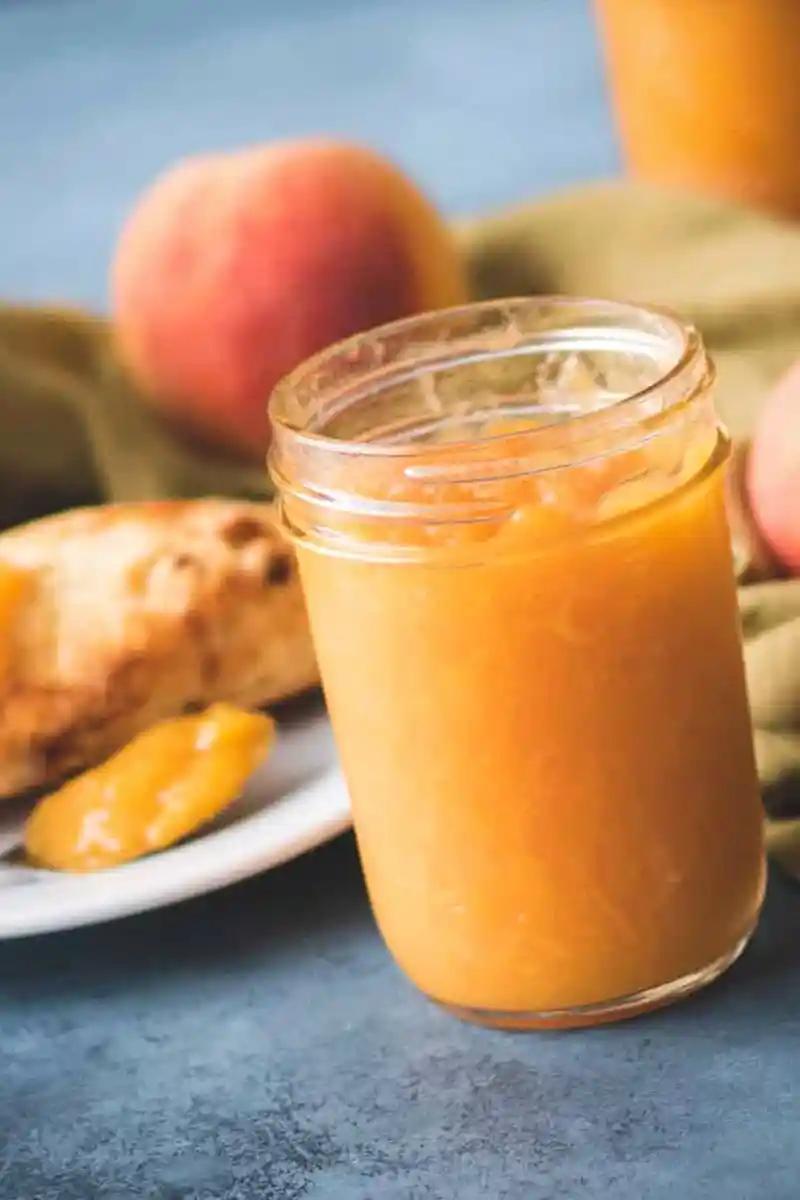
List of ingredients
- 2 1/4 pounds ripe peaches – peeled and crushed (approximately 7 medium peaches or 2 2/3 cups)
- 1/3 cup water – used to help dissolve pectin and simmer fruit
- 2 Tbsp bottled lemon juice – provides necessary acidity for safe canning
- 3 Tbsp Ball Low or No-Sugar Needed Pectin – ensures a proper set without high sugar levels
- Sugar, honey, or other sweetener – up to one cup (optional, based on desired sweetness)
step-by-step instructions
- Prepare the Canner: Set up a boiling water canner by placing a rack at the bottom of a large pot. Heat jars in simmering water to keep them warm. Wash lids in warm soapy water and keep them with the bands until needed.
- Peel the Peaches: Blanch peaches in boiling water for about one minute, then immediately transfer them to a bowl of ice water. Once cool, gently slide the skins off with your fingers.
- Process the Fruit: Cut the peeled peaches in half and remove the pits. Roughly chop the fruit, place it in a pot, and use a potato masher to crush the pieces to your preferred consistency.
- Combine Ingredients: Stir the bottled lemon juice, water, and your choice of sweetener (sugar, honey, or substitute) into the mashed peaches. Gradually stir in the no-sugar pectin to avoid clumps.
- Boil the Jam: Bring the mixture to a full rolling boil that cannot be stirred down. Boil hard for exactly one minute while stirring constantly. Remove from heat and skim off any foam from the surface.
- Fill the Jars: Use a jar lifter to move a hot jar to a towel or cutting board. Ladle the hot jam into the jar using a canning funnel, leaving 1/4 inch of headspace. Remove air bubbles and wipe the rim clean.
- Seal the Jars: Center a lid on the jar and tighten the band until fingertip tight. Place the filled jars back into the boiling water canner.
- Process: Boil the jars for 10 minutes, adjusting for your specific altitude. Turn off the heat, remove the pot lid, and let the jars sit in the water for 5 minutes.
- Cool and Check: Remove jars with a lifter and let them cool undisturbed for 12-24 hours. Verify the seal by pressing the center of the lid; it should not flex.
Optimizing Fruit Selection and Preparation
Choosing the Right Ripeness
Select peaches that are fragrant and slightly soft to the touch but not mushy. Overripe peaches can be too watery, which may affect the final set of the jam. Firm-ripe fruit maintains better structure during the boiling process.
Efficient Skin Removal
The blanching method is the most effective way to remove peach skins without losing fruit flesh. Ensure the ice bath is very cold to stop the cooking process immediately after the one-minute boil. This prevents the peaches from becoming too soft before they hit the jam pot.
Controlling Texture
The use of a potato masher allows you to control the chunkiness of the jam. For a smoother preserve, mash more thoroughly or use a food mill. Leaving some small chunks provides a more traditional, rustic texture in the final product.
Technical Guide to Safe Canning
The Role of Bottled Lemon Juice
Bottled lemon juice is required rather than fresh juice because it has a standardized pH level. Consistent acidity is critical for preventing the growth of bacteria in water-bath canned goods. Fresh lemons vary in acidity, which can compromise the safety of the seal.
Managing Jar Headspace
Leaving exactly 1/4 inch of headspace is vital for creating a proper vacuum seal. Too much space can prevent the lid from sealing, while too little space can cause jam to bubble over during processing. Use a headspace measuring tool for precision.
Preventing Thermal Shock
Heating jars in simmering water before filling them prevents them from cracking when the hot jam is added. Similarly, placing filled jars into the boiling canner gradually prevents breakage. Always use a towel or wooden board when setting jars down to avoid temperature shocks from cold countertops.
Altitude Adjustments for Processing
Water boils at lower temperatures at higher altitudes, which means processing times must be increased. For every 1,000 feet above sea level, add an additional minute to the boiling time. Consult a local canning chart to ensure the jars are processed long enough to be sterile.
Sweetener Variations and Substitutions
Integrating Honey for Sweetness
Honey adds a floral depth that complements peaches well. Because honey is a liquid, it can slightly alter the consistency compared to granulated sugar. Use up to one cup, but be mindful that too much liquid sweetener may require a slightly longer boil to reach the setting point.
Using Maple Syrup
Maple syrup can be substituted for sugar to give the jam a rich, autumnal flavor. Like honey, it is a liquid sweetener and should be stirred in before adding the pectin. Ensure the mixture reaches a full rolling boil to activate the pectin correctly.
Low-Calorie Sugar Substitutes
Many granulated sugar substitutes work well in this recipe. Ensure the substitute is heat-stable so it does not lose its sweetness during the boiling phase. Always follow the substitution ratio recommended on the sweetener packaging for the best result.
Storage and Maintenance
Pantry Storage Conditions
Store sealed jars in a cool, dark, and dry location. Exposure to direct sunlight or extreme temperature fluctuations can degrade the color and flavor of the jam. A kitchen pantry or cellar is typically ideal for long-term storage.
Identifying Improper Seals
After the 24-hour cooling period, check every lid. If the center of the lid pops up when pressed, the vacuum seal failed. Such jars must be moved to the refrigerator and consumed within three weeks.
Refrigeration After Opening
Once the seal is broken, the jam is no longer shelf-stable. Keep the jar in the refrigerator to maintain freshness and prevent mold growth. Use a clean spoon every time you scoop jam to avoid introducing contaminants into the jar.
Serving and Culinary Applications
Breakfast Pairings
This jam is an excellent topping for buttered sourdough toast or warm English muffins. It also pairs well with Greek yogurt or cottage cheese for a nutrient-dense breakfast. The tartness of the lemon juice cuts through the richness of dairy.
Dessert Enhancements
Spoon the jam over vanilla bean ice cream or use it as a filling for thumbprint cookies. It also works well as a glaze for baked peaches or a topping for cheesecake. The concentrated peach flavor enhances other dessert components.
Savory Cheese Combinations
Pair the peach jam with soft cheeses like Brie or goat cheese on a charcuterie board. The contrast between the sweet fruit and salty cheese creates a balanced flavor profile. It also works well as a condiment for grilled chicken or pork alternatives.
Troubleshooting Common Jam Issues
Addressing Runny Consistency
If the jam is too thin after cooling, it may be due to under-ripe fruit or insufficient boiling time. You can re-boil the jam with a small amount of additional pectin, though this requires re-processing the jars. Always ensure the boil is a ‘full rolling boil’ that cannot be stirred down.
Managing Excessive Foam
Foam often forms on top of the jam during the boiling process. If not removed, this foam can occupy the headspace and interfere with the seal. Use a wide spoon to skim the foam off the surface just before ladling the jam into jars.
Handling Stuck Lids
If a lid is difficult to remove after months of storage, the sugar has likely crystallized around the rim. Run the lid under hot water for a few seconds to dissolve the crystals. This should loosen the grip and allow the jar to open easily.
Frequently Asked Questions
Can I use frozen peaches?
Yes, frozen peaches can be used. Thaw them completely and drain any excess liquid before measuring the fruit to ensure the pectin ratio remains accurate.
Do I have to use bottled lemon juice?
Yes, for canning purposes, bottled lemon juice is necessary to guarantee the acidity level required for a safe water-bath process.
How long does the jam last in the pantry?
When processed correctly and stored in a cool, dark place, the jam typically lasts for one year. For best quality, consume it within 12 months.
Can I use this pectin with other fruits?
Yes, Ball Low or No-Sugar Needed Pectin is designed for various fruits. However, check the specific pectin packaging for recommended fruit-to-pectin ratios for other types of berries or stone fruits.
Print
No Sugar Peach Jam
- Total Time: 50 minutes
- Yield: 32 servings
- Diet: Vegetarian
Description
This no sugar peach jam is like summer in a jar! This peach jam canning recipe is easy to make and is perfect for beginners. There is also a low sugar or honey option!
Ingredients
- 2 1/4 pounds peeled and crushed ripe peaches
- 1/3 cup water
- 2 Tbsp bottled lemon juice
- 3 Tbsp Ball Low or No-Sugar Needed Pectin
- up to one cup sugar, honey, or other sweetener (optional)
Instructions
- Step 1: Prepare the boiling water canner. Put the canning rack on the bottom of a large pot, then heat the jars in simmering water until ready to use. Wash the lids in warm soapy water and set aside with the bands until you are ready to use them.
- Step 2: To peel the peaches, blanch them in boiling water for about a minute, then transfer them to a bowl of cold water. When they are cool enough to handle, use your fingers to remove the skins.
- Step 3: Cut the peaches in half and remove the seed. Roughly chop them and put them into a pot, then use a potato masher to crush them up.
- Step 4: Add the lemon juice, water, and optional sugar, honey, or sugar substitute to the pot with the peaches. Gradually stir in the no sugar pectin.
- Step 5: Bring the mixture to a full rolling boil that cannot be stirred down. Boil hard for one minute, stirring constantly. Remove from the heat, and skim any foam off the top if necessary.
- Step 6: Using a jar lifter, lift one jar and place it on a towel or wooden cutting board. Ladle the hot jam into a hot jar using a canning funnel. Leave 1/4 inch of headspace at the top (the headspace measuring tool helps). Remove any air bubbles and wipe the jar rim.
- Step 7: Center a lid on the jar and apply the band, adjusting to fingertip tight. Place the jar into the boiling water canner, then repeat the process until all of the jars are filled.
- Step 8: Process the jars for 10 minutes, adjusting for altitude. Turn off the heat, remove the lid, and let the jars sit in the canner for 5 minutes.
- Step 9: Remove the jars with the jar lifter and let them cool for 12-24 hours. Check the lids for a seal, they should not flex when the center is pressed.
Notes
This recipe makes about 4 half pint jars. Use bottled lemon juice rather than freshly squeezed to ensure the exact acidity level required for safe canning.
- Prep Time: 20 minutes
- Cook Time: 20 minutes
- Category: Breakfast, Condiment
- Method: Canning
- Cuisine: American
Nutrition
- Serving Size: 2 Tbsp
- Calories: 13 kcal
- Sugar: 3 g
- Sodium: 5 mg
- Fat: 0 g
- Saturated Fat: 0 g
- Unsaturated Fat: 0 g
- Trans Fat: 0 g
- Carbohydrates: 3 g
- Fiber: 0.5 g
- Protein: 0.2 g
- Cholesterol: 0 mg