
This guide explains how to preserve fresh peaches using the water bath canning method. This process ensures that seasonal fruit remains shelf-stable and high-quality for long-term storage.
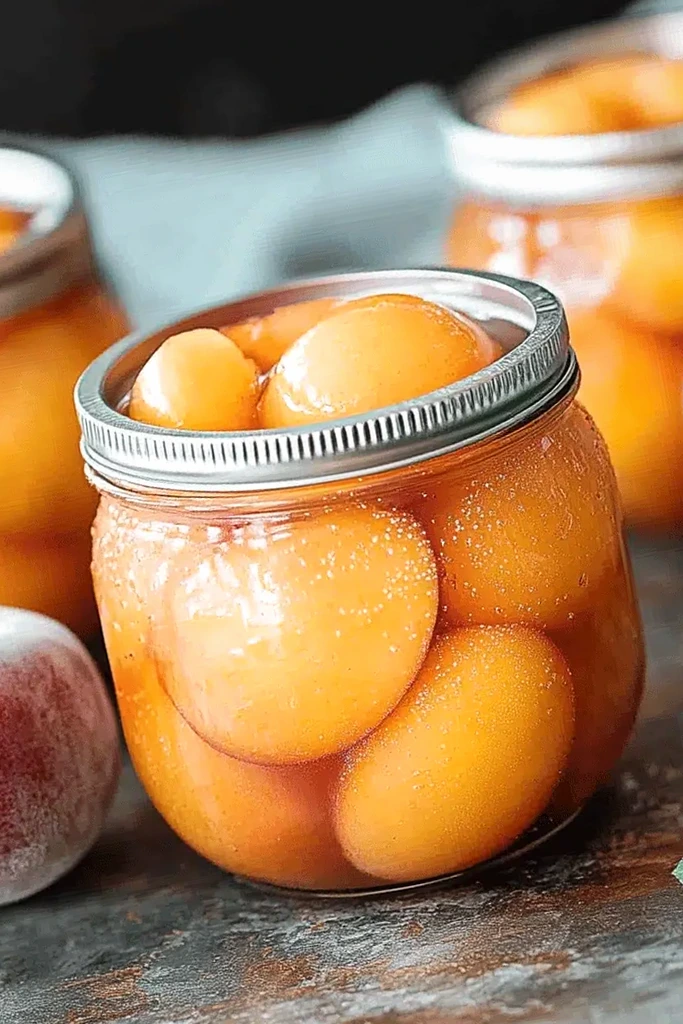
List of ingredients
- 17 lbs fresh and ripe peaches – preferably freestone varieties; avoid white peaches for safety reasons.
- 7 quart jars with rings and new lids – must be sterilized before use to ensure a proper seal.
- Water bath canner – a large pot designed to submerge jars completely.
- Granulated sugar – used for creating the light syrup to preserve color and flavor.
step-by-step instructions
- Sterilize equipment: Ensure all jars and rings are clean and sterile by running them through a dishwasher on a hot cycle an hour before you begin. Always use new, unused lids to guarantee a reliable vacuum seal.
- Prepare the canner: Fill the water bath canner with enough water to cover the jars by 1 to 2 inches. Bring the water to a boil on the stove, then reduce the heat to a simmer to keep it ready.
- Peel the fruit: Bring a separate large pot of water to a high simmer. Add peaches in small batches for approximately 30 seconds to loosen the skins. Immediately transfer them to an ice water bath, peel the skins off, remove the pits, and cut the fruit into large slices.
- Pack the jars: Fill the sterilized jars with peach slices. Gently tap the bottom of each jar on the countertop to help the fruit settle and create more space.
- Add the syrup: Create a light syrup by mixing 2 cups of sugar with 6 cups of very hot water, stirring until the sugar is fully dissolved. Pour the syrup over the peaches, leaving exactly 1/2 inch of headspace at the top. Gently tap the jars again to release any trapped air bubbles.
- Seal the jars: Use a clean, damp rag to wipe the sides and rims of the jars to remove any syrup residue. Place a clean lid on each jar and secure the rings until they are fingertip tight.
- Process the jars: Use jar lifters or tongs to lower the jars into the simmering water bath. Ensure the water covers the tops of the jars. Cover the canner with a lid, bring the water back to a rolling boil, and process the jars for 25 minutes.
- Cool and rest: Turn off the heat and remove the lid of the canner. Let the jars sit in the hot water for 5 minutes. Carefully move the jars onto a large towel on the countertop and let them cool undisturbed for several hours.
- Verify the seal: Check the center of each lid; it should be concave and not pop back when pressed. If a lid pops, the jar did not seal. These unsealed jars must be refrigerated and eaten within a few days or reprocessed.
- Store properly: Once completely cooled, remove the rings and label the jars with the date. Store them in a cool, dry, and dark place for optimal quality for 12 to 18 months.
Essential Equipment for Preserving
Water Bath Canner
A dedicated water bath canner is essential for maintaining a consistent temperature around the jars. If you do not have a specialized canner, a very large stockpot with a canning rack can work. The rack prevents the jars from touching the bottom of the pot, which reduces the risk of breakage.
Jar Lifters and Tongs
Jar lifters are designed specifically to grip the hot neck of a quart jar securely. Using these prevents accidents and burns when moving jars from the boiling water to the cooling towel. Heavy-duty tongs can be a substitute, but they offer less stability than specialized lifters.
Magnetic Lid Wand
A magnetic wand allows you to retrieve hot lids from the sterilizing water without touching them. This tool keeps the lids clean and prevents your fingers from being burned. While not mandatory, it increases the efficiency of the preparation process.
Large Blanching Pot
A wide pot is necessary for the blanching process to avoid overcrowding the peaches. Overcrowding can lead to uneven heating and may cause some peaches to overcook while others remain unpeeled. Use a pot that allows the fruit to move freely in the simmering water.
Fruit Selection and Preparation
Choosing Freestone Varieties
Freestone peaches are highly recommended for canning because the pit separates easily from the flesh. Clingstone varieties require more effort to pit and can lead to more fruit wastage. Stick to yellow peaches, as white peaches typically have lower acidity levels that may not be safe for water bath canning.
Determining Peak Ripeness
Select peaches that are ripe but still firm to the touch. Overripe peaches will break down during the boiling process and result in a mushy texture. Firm, ripe fruit maintains its structural integrity during the 25-minute processing window.
The Ice Bath Technique
The rapid temperature change from boiling water to ice water causes the skin to contract and pull away from the flesh. This thermal shock is the most efficient way to peel peaches without removing too much of the fruit. Ensure the ice bath is kept cold by adding more ice as needed.
Consistent Slicing Methods
Cutting peaches into large, uniform slices ensures they cook evenly and fit efficiently into the jars. Avoid cutting them too small, as smaller pieces are more likely to become soft. Slicing into quarters or thick wedges is generally ideal for quart jars.
Syrup Management and Quality
Mixing the Light Syrup
The light syrup consists of a ratio of 2 cups of sugar to 6 cups of water. This concentration provides enough sweetness to enhance the flavor without overpowering the natural taste of the peaches. Using very hot water ensures the sugar dissolves quickly and completely.
Ensuring Complete Dissolution
Stir the sugar and water vigorously until the liquid is completely clear. Undissolved sugar crystals can settle at the bottom of the jar, leading to inconsistent sweetness and potential issues with the seal. If crystals remain, heat the syrup further before pouring.
Maintaining Accurate Headspace
Leaving exactly 1/2 inch of headspace is critical for the vacuum sealing process. Too much headspace can prevent the lid from sealing properly, while too little can cause the syrup to bubble over during processing. Use a ruler or a headspace tool for precision.
Removing Trapped Air Bubbles
Air bubbles trapped between peach slices can expand during heating, potentially pushing syrup out of the jar. Gently tapping the jar on the counter or using a non-metallic bubble remover tool helps release these pockets. This ensures a denser pack and a more reliable seal.
Processing and Sealing Procedures
Achieving a Proper Seal
A successful seal is indicated by a concave lid that does not move when pressed. This vacuum seal prevents oxygen and microorganisms from entering the jar, making the fruit shelf-stable. If the lid is flat or bulges, the seal has failed.
Avoiding Overtightening Rings
Rings should be tightened only until they are fingertip tight. Overtightening can prevent the air from escaping the jar during processing, which may interfere with the vacuum seal. If the ring is too tight, the lid may not seat properly against the rim.
Managing Water Temperature
The processing time of 25 minutes begins only after the water has returned to a full rolling boil. If the water is merely simmering, the internal temperature of the jars will not be high enough to kill spoilage organisms. Monitor the boil closely throughout the duration.
Post-Processing Rest Periods
Allowing the jars to rest in the hot water for 5 minutes after the burner is off prevents thermal shock. Moving a jar immediately from boiling water to a cold surface can cause the glass to crack. Once moved to the towel, let them sit undisturbed for several hours to allow the vacuum to form.
Long-Term Storage Best Practices
Optimal Storage Environment
Store your canned peaches in a cool, dry, and dark location, such as a pantry or basement. Exposure to direct sunlight or fluctuating temperatures can cause the fruit to lose its vibrant color and degrade in flavor. A consistent temperature is key to longevity.
The Importance of Labeling
Always label each jar with the exact date of canning. Since preserved fruits are best consumed within 12 to 18 months, dating helps you rotate your stock. This ensures you use the oldest jars first to maintain peak quality.
Removing Rings for Storage
It is a professional canning practice to remove the metal rings after the jars have cooled and the seals are verified. If a seal fails during storage, the lid will pop up, making the failure immediately obvious. If the ring is left on, a failed seal might go unnoticed until the jar is opened.
Monitoring Shelf Life
While home-canned peaches remain safe for a long period, the texture and color will slowly decline after 18 months. For the best culinary experience, aim to use them within a year. Always inspect the lid and the color of the syrup before consuming stored fruit.
Versatile Usage Ideas
Dessert Toppings
Canned peaches are an excellent topping for vanilla ice cream, cheesecake, or pavlova. The light syrup can be drizzled over the dessert for added sweetness. They are also ideal for quick peach cobblers or crisps during winter months.
Breakfast Additions
Slice the preserved peaches into a bowl of oatmeal, Greek yogurt, or cottage cheese. The sweetness of the syrup eliminates the need for additional sweeteners in your morning meal. They also pair well with pancakes and waffles.
Smoothies and Blends
Blend the peaches and a portion of their syrup into smoothies with banana and spinach. This adds a natural fruitiness and thickness to the drink. The syrup acts as a natural sweetener for blended beverages.
Savory Pairings
Peaches provide a sweet contrast to savory dishes like roasted chicken or grilled pork. You can simmer the canned peaches with a bit of vinegar and pepper to create a glaze. This combination balances the richness of the meat with the acidity of the fruit.
Canning Troubleshooting
Managing Unsealed Jars
If a jar fails the seal test, do not store it in the pantry. Move it immediately to the refrigerator and consume it within a few days. Alternatively, you can reprocess the jar with a brand new lid following the standard water bath steps.
Preventing Mushy Fruit
Mushy peaches are usually the result of using overripe fruit or over-processing. Ensure you select firm peaches and strictly follow the 25-minute boiling timer. Avoid boiling the fruit for too long during the peeling stage.
Addressing Discoloration
Some peaches may lose their bright color if they are not processed quickly or if the syrup is too weak. Using the correct sugar-to-water ratio helps maintain the hue. Ensure the jars are filled promptly after slicing to minimize oxidation.
Identifying Spoilage
Always check for signs of spoilage before opening a jar. Discard any fruit that has a foul odor, visible mold, or a bulging lid. If the syrup has become excessively cloudy or the fruit has turned a dark brown color, do not consume it.
Frequently Asked Questions
Can I use white peaches for canning?
It is not recommended to use white peaches for water bath canning. White peaches generally have lower acidity than yellow peaches, which increases the risk of spoilage. Stick to yellow freestone peaches to ensure safety and quality.
What if my jar doesn’t seal properly?
Place the unsealed jar in the refrigerator and eat it within a few days. You can also reprocess the jar by cleaning the rim and using a fresh lid in the water bath canner.
How long do home-canned peaches last?
For the best quality, consume home-canned peaches within 12 to 18 months. While they may remain safe longer, the texture and flavor will gradually decline after this period.
How can I tell if my stored peaches are safe to eat?
Check that the lid is still concave and not bulging. Look for any signs of mold or unusual discoloration in the syrup. Finally, smell the fruit upon opening; it should smell fresh and sweet, not fermented or sour.
Print
How to Can Peaches
- Total Time: 1 hour 25 minutes
- Yield: 7 quart jars
- Diet: Vegetarian
Description
This recipe guides you through the process of canning peaches using a water bath method, ensuring they are preserved for long-term storage. It covers everything from preparing the peaches and jars to processing them and checking for proper seals.
Ingredients
- 17 lbs fresh and ripe freestone peaches
- 7 quart jars with rings and new lids
- 2 cups granulated sugar
- 6 cups hot water
- Water bath canner
Instructions
- Sterilize Jars: Ensure jars and rings are clean and sterile (e.g., in the dishwasher an hour before starting). Use new, unused lids for a proper seal.
- Fill Water Bath Canner: Add enough water to the canner to cover the jars by 1-2 inches once they are immersed. Place on the stove and bring to a boil, then reduce to a simmer.
- Peel Peaches: Fill a separate large pot with water and bring to a high simmer. Add peaches in batches for about 30 seconds to loosen skins. Transfer peaches to an ice water bath, then peel them easily. Remove the pit and cut into large slices.
- Fill Jars with Peaches: As you slice, fill jars pretty full, gently tapping the bottom on the countertop to help peaches settle.
- Add Simple Syrup: For light syrup, mix 2 cups of sugar with 6 cups of very hot water. Stir well to dissolve sugar. Pour syrup into each jar, leaving 1/2” headspace. Gently tap jars to release air bubbles.
- Prepare for Processing: Wipe jar sides and rims with a clean rag. Place a clean lid securely on each jar and secure with rings.
- Process in Waterbath: Use jar lifters or tongs to gently place jars in the hot water bath (or use a rack if available). Add more water if needed to cover jar tops. Cover with the lid and bring water back to a boil. Once boiling, process jars for 25 minutes.
- Remove and Rest: Place a large towel or dishrag on your countertop. After 25 minutes, turn off the burner (or move the pot if electric flat top), remove the lid, and allow jars to rest in the pot for 5 minutes. Then, use tongs or jar lifters to move jars onto the towel to rest.
- Check Seals: After a few hours, check seals. The center of the lid should be sealed down; if it pops back, it didn’t seal. Ensure liquid covers peaches and they retain a bright color. Unsealed jars can be refrigerated and enjoyed within a few days or reprocessed.
- Store: Allow jars to cool completely before storing in a cool, dry place for 12-18 months (at best quality).
Notes
Do not use white peaches for canning. A jar grabber or tongs are helpful for lifting hot jars. If peaches develop a foul odor, become discolored, or show mold, discard them. Refer to a syrup chart for variations in syrup sweetness.
- Prep Time: 1 hour
- Cook Time: 25 minutes
- Category: Preserving
- Method: Water Bath Canning
- Cuisine: American
Nutrition
- Serving Size: 1 quart jar
- Calories: 650 kcal
- Sugar: 107 g
- Sodium: 10 mg
- Fat: 1 g
- Saturated Fat: 0 g
- Unsaturated Fat: 1 g
- Trans Fat: 0 g
- Carbohydrates: 160 g
- Fiber: 12 g
- Protein: 5 g
- Cholesterol: 0 mg