
This Triple Crust Peach Cobbler features layers of buttery pastry and spiced peaches for a rich dessert. It is a practical choice for summer gatherings or comfort baking at home.
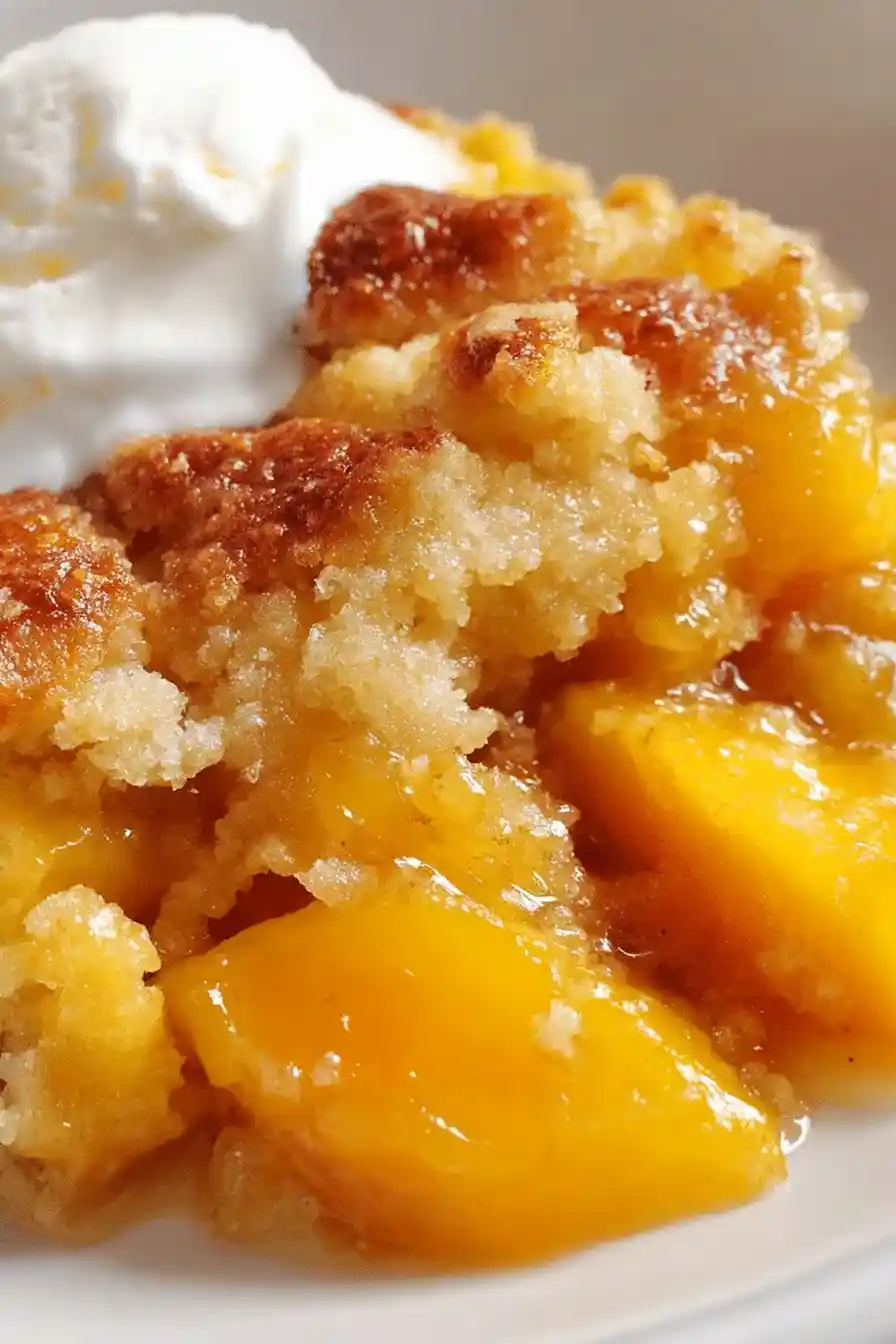
List of ingredients
- 8 cups fresh peaches – peeled and sliced (or canned peaches, drained)
- 1 ½ cups granulated sugar – for sweetness and syrup
- ½ cup brown sugar – packed, for depth of flavor
- 2 tablespoons cornstarch – helps thicken the fruit juices
- 1 teaspoon ground cinnamon – provides warm spice
- ¼ teaspoon ground nutmeg – adds aromatic depth
- 1 teaspoon vanilla extract – enhances the fruit flavor
- 2 tablespoons lemon juice – balances sweetness with acidity
- 4 tablespoons unsalted butter – cut into small pieces for dotting
- 3 refrigerated pie crusts – or homemade pastry for the layers
- 2 tablespoons unsalted butter – melted, for brushing the crust
- 2 tablespoons granulated sugar – for sprinkling on top
step-by-step instructions
- Preheat Oven: Set your oven to 375°F (190°C). Grease a deep 9×13-inch baking dish or a large cast iron skillet to prevent sticking.
- Prepare Peach Filling: In a large mixing bowl, combine the sliced peaches, granulated sugar, brown sugar, cornstarch, cinnamon, nutmeg, vanilla, and lemon juice. Toss the mixture thoroughly until the peaches are evenly coated and syrupy.
- First Crust Layer: Roll out the first pie crust to fit the bottom of your prepared baking dish. Press it down gently and brush the surface lightly with melted butter.
- Add Peaches: Spoon half of the prepared peach mixture over the bottom crust. Scatter several small cubes of butter over the fruit to add richness.
- Second Crust Layer: Roll out the second pie crust and place it directly over the first layer of peaches. Brush the crust with melted butter and sprinkle it lightly with granulated sugar.
- Top Layer of Peaches: Add the remaining peach mixture on top of the second crust. Again, dot the fruit with small butter cubes.
- Final Crust Topping: Place the third crust on top of the peaches. Cut small slits or decorative shapes into the pastry to allow steam to escape during baking. Brush with melted butter and sprinkle with sugar.
- Bake: Place the dish in the oven uncovered and bake for 50°55 minutes. The cobbler is done when the crust is deeply golden brown and the filling bubbles at the edges.
- Cool and Serve: Allow the cobbler to rest for about 15 minutes before slicing. This resting period is essential for the fruit filling to thicken. Serve warm with vanilla ice cream or whipped cream.
Professional Preparation Tips
Use the Blanching Method for Easy Peeling
To remove peach skins efficiently, bring a pot of water to a boil. Score a small ‘X’ on the bottom of each peach and drop them into the boiling water for 30 to 60 seconds. Immediately transfer them to an ice bath, which allows the skin to slip off easily by hand.
Select Freestone Peaches for Simpler Slicing
Freestone peaches are easier to prepare because the pit releases easily from the flesh. This allows you to slice the fruit more uniformly, ensuring even cooking throughout the dessert. Clingstone peaches work as well, but they require more effort to slice around the pit.
Maintain Cold Temperature for Flaky Crusts
Keep your refrigerated pie crusts cold until the moment you are ready to roll them. If the pastry becomes too warm, the butter softens, which can lead to a denser, less flaky crust. If the dough feels sticky, place it in the refrigerator for 10 minutes before proceeding.
Ensure Even Slicing of Fruit
Slice the peaches into uniform thickness, approximately 1/4 to 1/2 inch thick. Consistent sizing ensures that all the fruit softens at the same rate during the baking process. This prevents some pieces from being mushy while others remain too firm.
Grease the Baking Dish Thoroughly
Use a high-smoke point fat or a non-stick baking spray to coat the 9×13-inch dish. Pay special attention to the corners and edges where the crust is most likely to stick. This ensures a clean release when serving the cobbler.
Ingredient Substitutions and Alternatives
Adjust Sugar for Canned Peach Syrup
If you use canned peaches, drain them thoroughly to avoid a watery filling. Since canned fruits are often packed in heavy syrup, reduce the added granulated sugar by 1/4 cup. This prevents the dessert from becoming cloyingly sweet.
Pat Frozen Peaches Dry to Avoid Excess Moisture
When using frozen peaches, thaw them completely in the refrigerator overnight. Pat the fruit dry with paper towels to remove excess surface moisture before mixing with sugars and cornstarch. This helps the filling thicken properly in the oven.
Select Gluten-Free Flour with Xanthan Gum
To make this recipe gluten-free, substitute the pie crusts with a 1:1 gluten-free all-purpose flour blend. Ensure the blend contains xanthan gum to provide the necessary structure and elasticity. If your blend lacks it, add 1/2 teaspoon of xanthan gum to the crust mixture.
Replace Granulated Sugar with Coconut Sugar
For a deeper, more caramel-like flavor, you can replace the granulated sugar with coconut sugar. Note that coconut sugar has a slightly different sweetness profile and a darker color. It pairs well with the cinnamon and nutmeg in the filling.
Use Almond Extract for Enhanced Depth
If you want a more complex flavor profile without using alcohol, add a drop of almond extract. This complements the peach flavor by adding a subtle, nutty aromatic quality. Be careful not to over-use it, as almond extract is very potent.
Substitute Butter with Coconut Oil
For a dairy-free alternative, use refined coconut oil in place of unsalted butter. Refined coconut oil has a neutral flavor and provides a similar fat content for the crust. Ensure the oil is in a solid but soft state when incorporating it into a homemade crust.
Customizing the Flavor Profile
Combine Peaches with Fresh Blueberries
Adding one cup of fresh blueberries to the peach mixture creates a beautiful color contrast and a tart flavor balance. Toss the berries in with the peaches and the cornstarch mixture. This variation is particularly popular for summer celebrations.
Add Sliced Almonds for Texture
Sprinkle a handful of sliced or slivered almonds between the second and third crust layers. The nuts provide a toasted crunch that contrasts with the soft fruit and tender pastry. Toast the almonds lightly in a pan beforehand for maximum flavor.
Swap Peaches for Granny Smith Apples
This method works perfectly for an autumn version by using tart Granny Smith apples. Increase the cinnamon and nutmeg slightly to match the stronger flavor of the apples. Follow the same triple-crust assembly process for a layered apple cobbler.
Use Apple Cider Concentrate for Richness
To add a deep, fruity richness to the filling without alcohol, stir in two tablespoons of concentrated apple cider. This enhances the natural sugars of the peaches and adds a bright, autumnal note. It serves as a great alternative to traditional flavor enhancers.
Incorporate Ginger for a Zesty Twist
Add 1/2 teaspoon of ground ginger to the spice mix for a subtle heat. Ginger pairs exceptionally well with peaches and helps cut through the richness of the buttery crust. This variation adds a sophisticated edge to the dessert.
Serving and Pairing Suggestions
Pair with High-Quality Vanilla Bean Ice Cream
Serve the cobbler warm with a generous scoop of vanilla bean ice cream. The cold cream melts into the warm peach syrup, creating a rich sauce. The vanilla notes highlight the floral qualities of the fresh peaches.
Top with Homemade Chantilly Cream
For a lighter topping, whip heavy cream with a touch of powdered sugar and vanilla extract. Dollop the whipped cream on top of each slice just before serving. This adds a cloud-like texture that balances the density of the triple crust.
Serve Warm for Optimal Texture
The best texture is achieved when the cobbler is served warm, about 15 to 30 minutes after leaving the oven. This ensures the crust remains crisp while the filling is gooey. If the dessert cools completely, reheat individual portions briefly in the oven.
Dust with Powdered Sugar
For a professional presentation, sift a light layer of powdered sugar over the top crust before serving. This adds a touch of sweetness and a clean, white finish. It is especially effective when serving the cobbler in a cast iron skillet.
Storage and Preservation
Store in Airtight Containers for Freshness
Once the cobbler has cooled completely, cover it with a tight lid or plastic wrap. This prevents the crust from drying out and keeps the peaches moist. Store it in a cool, dry place if consuming within 24 hours.
Refrigerate for Up to Five Days
Place the cobbler in the refrigerator to extend its shelf life up to five days. Refrigeration helps the filling set further, making the slices easier to cut. Keep it tightly sealed to prevent the pastry from absorbing fridge odors.
Flash Freeze Individual Slices
Freeze individual portions of the baked cobbler on a baking sheet for two hours before transferring them to freezer bags. This prevents the slices from sticking together. Baked cobbler can be stored in the freezer for up to two months.
Avoid Repeated Freezing and Thawing
Do not thaw and refreeze the cobbler, as this degrades the texture of the crust. The pastry may become soggy, and the peaches may lose their structure. Thaw only the amount you intend to eat.
Reheating Methods
Use Oven Reheating for Crisp Crusts
To restore the crispness of the crust, reheat slices in the oven at 325°F (160°C). Place the pieces on a baking sheet and heat for 10 to 15 minutes. This is the best method for maintaining the flaky texture of the pastry.
Avoid Microwave Overheating to Prevent Sogginess
If using a microwave, heat the cobbler on medium power in short bursts. Overheating in the microwave can make the crust rubbery and the filling overly liquid. Let the slice sit for one minute after heating to allow the heat to redistribute.
Use a Toaster Oven for Small Portions
A toaster oven is an excellent middle ground for reheating single servings. Set it to a low temperature and heat until the edges of the crust are again golden. This provides a quick way to enjoy a warm dessert without heating the full oven.
Troubleshooting Common Issues
Prevent Soggy Bottoms with Cornstarch
If the bottom crust is too soft, ensure you are using the full amount of cornstarch. Cornstarch binds the peach juices, preventing them from soaking too deeply into the lower pastry layer. You can also pre-bake the bottom crust for 10 minutes before adding filling.
Cover with Foil to Prevent Over-Browning
If the top crust turns dark brown before the filling is bubbling, loosely cover the dish with aluminum foil. This reflects heat away from the surface while allowing the interior to continue cooking. Check every 10 minutes once the foil is applied.
Balance Acidity with Extra Lemon Juice
If the filling tastes too sweet or one-dimensional, add an extra teaspoon of lemon juice. The acidity cuts through the sugar and brightens the natural flavor of the peaches. This is especially helpful when using very ripe or canned peaches.
Fixing Watery Filling
If the filling is too runny after baking, allow the cobbler to cool for a longer period. The pectin in the peaches and the cornstarch require time to set as the temperature drops. Resting for 30 minutes instead of 15 can often solve this issue.
Correcting a Dense Crust
If the crust is not flaky, it is likely due to over-handling the dough or using warm butter. To fix this in future batches, use a pastry cutter to incorporate butter rather than your hands. Work quickly to keep the fat cold.
Frequently Asked Questions
Can I use canned peaches for cobbler?
Yes, you can use canned peaches. Drain them well and reduce the granulated sugar in the recipe by 1/4 cup to compensate for the sweetness of the canning syrup.
Do I need to peel fresh peaches?
Peeling is optional, but it provides a smoother texture. If you choose to keep the skins, they will soften during baking, but the appearance will be more rustic.
What is a triple crust?
A triple crust means there is a layer of pastry at the bottom, a layer in the middle of the fruit, and a layer on top. This maximizes the amount of buttery crust in every bite.
How to make it gluten-free?
Substitute the refrigerated pie crusts with a gluten-free 1:1 pastry blend. Ensure the blend contains xanthan gum to maintain the structural integrity of the layers.
How do I know when it is done?
The cobbler is finished when the top crust is a deep golden brown and the peach filling is bubbling vigorously around the edges of the baking dish.
Can I double the recipe for a crowd?
Yes, you can double the ingredients. Use two 9×13-inch baking dishes rather than one deeper pan to ensure the heat penetrates evenly and the crusts bake through.
Print
Triple Crust Peach Cobbler
- Total Time: 65 minutes
- Yield: 6 servings
- Diet: Vegetarian
Description
This Triple Crust Peach Cobbler is a Southern-style dessert dream—juicy, sweet peaches baked between and beneath layers of buttery, golden crust. A rich, comforting treat perfect with a scoop of vanilla ice cream!
Ingredients
- 8 cups fresh peaches, peeled and sliced
- 1 ½ cups granulated sugar
- ½ cup brown sugar, packed
- 2 tablespoons cornstarch
- 1 teaspoon ground cinnamon
- ¼ teaspoon ground nutmeg
- 1 teaspoon vanilla extract
- 2 tablespoons lemon juice
- 4 tablespoons unsalted butter, cut into small pieces
- 3 refrigerated pie crusts
- 2 tablespoons unsalted butter, melted
- 2 tablespoons granulated sugar
Instructions
- Preheat Oven: Preheat your oven to 375°F (190°C). Grease a deep 9×13-inch baking dish or a large cast iron skillet.
- Prepare Peach Filling: In a large mixing bowl, combine sliced peaches, granulated sugar, brown sugar, cornstarch, cinnamon, nutmeg, vanilla, and lemon juice. Toss until the peaches are coated and the mixture looks syrupy.
- First Crust Layer: Roll out one pie crust to fit the bottom of your baking dish. Press it down gently. Brush lightly with melted butter.
- Add Peaches: Spoon half of the peach mixture over the bottom crust. Scatter a few cubes of butter over the fruit.
- Second Crust Layer: Roll out the second pie crust and place it over the peach layer. Brush with butter and sprinkle lightly with sugar.
- Top Layer of Peaches: Add the remaining peaches on top of the second crust, again dotting with butter cubes.
- Final Crust Topping: Place the third crust on top. Cut small slits or decorative shapes to allow steam to escape. Brush with melted butter and sprinkle with sugar for a golden finish.
- Bake: Bake uncovered for 50–55 minutes, or until the crust is deeply golden brown and the filling is bubbling through the edges.
- Cool and Serve: Let the cobbler rest for about 15 minutes before serving. Serve warm with vanilla ice cream or whipped cream.
Notes
If using canned peaches, drain them well and reduce sugar by ¼ cup. For a gluten-free version, substitute the crusts with a 1:1 gluten-free all-purpose flour blend containing xanthan gum.
- Prep Time: 15 minutes
- Cook Time: 50 minutes
- Category: Dessert
- Method: Baking
- Cuisine: American
Nutrition
- Serving Size: 1 serving
- Calories: 650 kcal
- Sugar: 52 g
- Sodium: 410 mg
- Fat: 26 g
- Saturated Fat: 13 g
- Unsaturated Fat: 12 g
- Trans Fat: 0 g
- Carbohydrates: 78 g
- Fiber: 4 g
- Protein: 6 g
- Cholesterol: 85 mg