
Experience the ultimate comfort with this slow-simmered beef stew that simplifies dinner without sacrificing depth or nutrition. By utilizing fresh vegetables and lean protein, this recipe creates a wholesome meal that develops complex, savory flavors as it cooks gently in your slow cooker throughout the day.
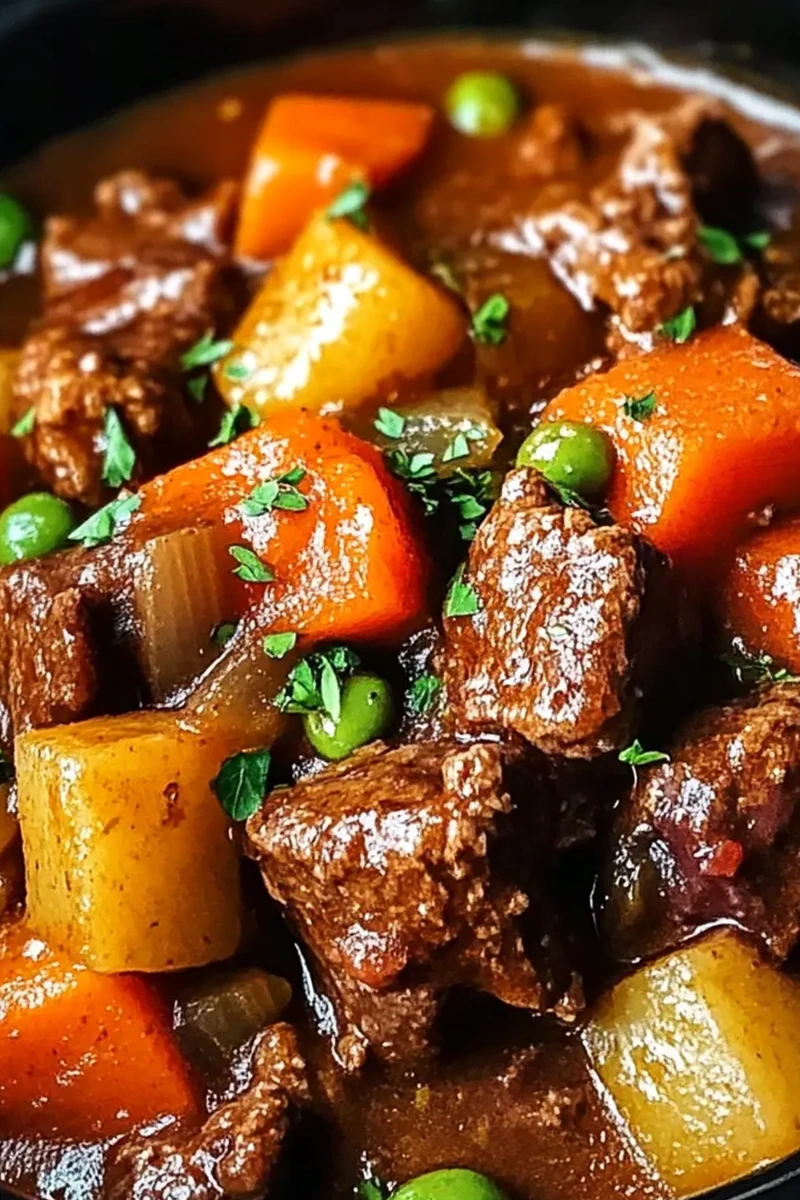
List of ingredients
- 2 lbs Lean Beef Stew Meat (cut into 1-inch cubes)
- 1 tablespoon Olive Oil
- 1 large Yellow Onion (diced)
- 3 cloves Garlic (minced)
- 4 Carrots (peeled and cut into 1-inch pieces)
- 4 Celery Stalks (cut into 1-inch pieces)
- 1.5 lbs Small Red Potatoes (quartered)
- 1 28-oz can Low-Sodium Crushed Tomatoes
- 4 cups Low-Sodium Beef Broth
- 1 cup Non-Alcoholic Savory Broth Substitute (or a mix of grape juice and balsamic vinegar)
- 2 Bay Leaves
- 1 tablespoon Dried Thyme
- 1 teaspoon Dried Rosemary
- 1 teaspoon Smoked Paprika
- Salt and Freshly Ground Black Pepper (to taste)
- 2 tablespoons Cornstarch
- 2 tablespoons Cold Water
- ½ cup Fresh Parsley (chopped)
step-by-step instructions
- Step: Prep your ingredients by trimming and cubing the beef, then chopping all the vegetables and mincing the garlic.
- Step: Brown the beef in a skillet with olive oil until deeply golden on all sides. Deglaze the pan with your liquid substitute.
- Step: Layer the vegetables, garlic, browned beef, and potatoes into your slow cooker.
- Step: Pour the crushed tomatoes and beef broth over everything.
- Step: Season the stew generously with bay leaves, thyme, rosemary, smoked paprika, salt, and pepper. Give it a gentle stir to combine.
- Step: Cook on LOW for 6-8 hours or HIGH for 3-4 hours until the beef is incredibly tender and vegetables are soft.
- Step: Thicken the stew, if desired, by whisking in a cornstarch slurry during the last few minutes of cooking until it reaches your preferred consistency.
- Step: Finish by removing the bay leaves, tasting for seasoning, and stirring in half the fresh parsley. Serve hot, garnished with the remaining parsley.
Refining the Texture and Consistency
Achieving the Perfect Stew Thickness
If you prefer a thicker, heartier sauce that coats the back of a spoon, ensure your cornstarch slurry is completely smooth before adding it to the cooker. Stir it in slowly to avoid clumping, and always allow at least ten minutes of active heating afterward for the starch molecules to hydrate fully. If the stew remains too thin, you can gently mash a few of the cooked potato pieces against the side of the pot to release natural starches into the broth.
Selecting the Right Cut of Beef
When preparing this dish, choosing a lean cut of beef stew meat ensures that the broth remains clear and flavorful rather than greasy. If you find the meat is slightly tougher than desired, consider extending the cook time on the low setting by an additional hour. The slow, moist environment is designed to turn tougher, inexpensive cuts of meat into tender morsels that pull apart easily with a fork.
Adapting Ingredients for Seasonal Variety
Incorporating Seasonal Root Vegetables
While red potatoes and carrots are traditional, you can easily adapt this stew by substituting seasonal alternatives like parsnips, rutabaga, or cubed butternut squash. These vegetables offer a slightly earthy sweetness that complements the beef broth perfectly and holds up well to the long cooking process. Ensure all substitutions are cut to approximately the same size as the original ingredients to keep the cooking times consistent.
Enhancing the Savory Foundation
If you wish to deepen the flavor profile further, consider adding a teaspoon of tomato paste during the final moments of browning the beef. This step intensifies the umami characteristics of the broth. You can also toss in a handful of pearl onions or sautéed mushrooms if you enjoy a more varied texture, as these additions provide a wonderful contrast to the tender chunks of beef.
Managing Prep and Storage Effectively
Streamlining Your Meal Prep Routine
To make this dish even easier on busy mornings, complete all your chopping and browning the night before and store the ingredients in the refrigerator. By keeping the meat and vegetables in the same container, you allow the flavors to begin mingling early. Simply dump the cold, prepped mixture into your slow cooker when you wake up, pour in the liquids, and start your day without any extra morning stress.
Cooling and Reheating Guidelines
When storing leftovers, ensure the stew reaches room temperature before moving it to a sealed container to prevent bacterial growth and maintain the integrity of the vegetables. When reheating, use a saucepan on the stovetop over low heat, adding a few tablespoons of extra broth or water if the starch has caused the sauce to thicken too much while cooling. Microwave reheating is also effective, provided you use medium power and stir periodically to ensure even heat distribution through the thick liquid.
Freezing for Future Meals
This beef stew is exceptionally well-suited for long-term freezing, provided you use airtight, freezer-safe containers that minimize air contact. Leave a small amount of space at the top of the container to allow for expansion as the liquids freeze, which helps prevent container cracks. Once thawed in the refrigerator overnight, the flavors often deepen, making it a perfect candidate for a quick, wholesome meal on short notice.
Troubleshooting Common Stew Issues
Fixing an Over-Salted Batch
If you discover that the stew has become too salty during the simmering process, you can often balance the profile by adding additional potatoes, which will soak up excess sodium. Alternatively, a small squeeze of fresh lemon juice or an extra splash of cider vinegar can brighten the flavors and mask the saltiness. Avoid adding extra salt until the very end of the cooking process to keep control over the final flavor profile.
Reviving Bland Flavors
If the stew tastes flat despite following the recipe, verify the freshness of your dried herbs, as they lose potency over time. A quick fix involves adding a pinch of extra smoked paprika or a dash of black pepper to reactivate the palate. Sometimes, simply adding a teaspoon of sugar or honey can bridge the gap between the acidity of the tomatoes and the savory notes of the beef, creating a much more rounded taste.
Frequently Asked Questions
Can I make this stew in a Dutch oven instead?
Yes, you can adapt this recipe for the stovetop or oven by using a heavy-bottomed pot. Follow the searing steps as written, then cover the pot and simmer on very low heat or bake at 300 degrees Fahrenheit until the beef is tender, which typically takes about 3 to 4 hours. Ensure you check the liquid levels occasionally, as stovetop cooking tends to evaporate moisture faster than a slow cooker.
What is the benefit of adding vinegar?
The addition of a small amount of vinegar serves to tenderize the meat slightly while cutting through the richness of the beef broth. This ingredient acts as a balancing agent, preventing the dish from feeling too heavy or one-dimensional. It provides the essential acidity required to make the flavors pop without needing excessive amounts of salt.
Are there any specific safety precautions when using a slow cooker?
Always ensure your slow cooker is filled at least halfway to two-thirds full to ensure optimal heat distribution throughout the cooking cycle. Avoid adding frozen meat directly to the pot, as the extended time it takes to reach a safe temperature can encourage bacteria growth. Always use the manufacturer-recommended settings and ensure the lid is properly seated to prevent heat loss.
How can I prevent the potatoes from disintegrating?
If you notice your potatoes breaking down too much, choose a waxy variety like Yukon Gold or red potatoes, which hold their shape significantly better than starchy russet varieties. Furthermore, ensure you cut them into larger, uniform pieces rather than small cubes. If they still feel too soft, simply add them during the final half of the cooking time rather than at the very beginning.
Print
My Go-To Healthy Crockpot Beef Stew: So Easy & Delicious
- Total Time: 380 minutes
- Yield: 6 servings
- Diet: High Protein
Description
My Go-To Healthy Crockpot Beef Stew is a flavorful, nutritious dinner option that practically makes itself in a slow cooker.
Ingredients
- 2 lbs Lean Beef Stew Meat (cut into 1-inch cubes)
- 1 tablespoon Olive Oil
- 1 large Yellow Onion (diced)
- 3 cloves Garlic (minced)
- 4 Carrots (peeled and cut into 1-inch pieces)
- 4 Celery Stalks (cut into 1-inch pieces)
- 1.5 lbs Small Red Potatoes (quartered)
- 1 28-oz can Low-Sodium Crushed Tomatoes
- 4 cups Low-Sodium Beef Broth
- 1 cup Non-Alcoholic Savory Broth Substitute (or a mix of grape juice and balsamic vinegar)
- 2 Bay Leaves
- 1 tablespoon Dried Thyme
- 1 teaspoon Dried Rosemary
- 1 teaspoon Smoked Paprika
- Salt and Freshly Ground Black Pepper (to taste)
- 2 tablespoons Cornstarch
- 2 tablespoons Cold Water
- ½ cup Fresh Parsley (chopped)
Instructions
- Step: Prep your ingredients by trimming and cubing the beef, then chopping all the vegetables and mincing the garlic.
- Step: Brown the beef in a skillet with olive oil until deeply golden on all sides. Deglaze the pan with your liquid substitute.
- Step: Layer the vegetables, garlic, browned beef, and potatoes into your slow cooker.
- Step: Pour the crushed tomatoes and beef broth over everything.
- Step: Season the stew generously with bay leaves, thyme, rosemary, smoked paprika, salt, and pepper. Give it a gentle stir to combine.
- Step: Cook on LOW for 6-8 hours or HIGH for 3-4 hours until the beef is incredibly tender and vegetables are soft.
- Step: Thicken the stew, if desired, by whisking in a cornstarch slurry during the last few minutes of cooking until it reaches your preferred consistency.
- Step: Finish by removing the bay leaves, tasting for seasoning, and stirring in half the fresh parsley. Serve hot, garnished with the remaining parsley.
Notes
Optional: Add a pinch of red pepper flakes for a touch of warmth.
- Prep Time: 20 minutes
- Cook Time: 360 minutes
- Category: Dinner
- Method: Slow Cooker
- Cuisine: American
Nutrition
- Serving Size: 1 serving
- Calories: 350 kcal
- Sugar: 8 g
- Sodium: 600 mg
- Fat: 10 g
- Saturated Fat: 3 g
- Unsaturated Fat: 5.5 g
- Trans Fat: 0 g
- Carbohydrates: 30 g
- Fiber: 5 g
- Protein: 40 g
- Cholesterol: 80 mg