
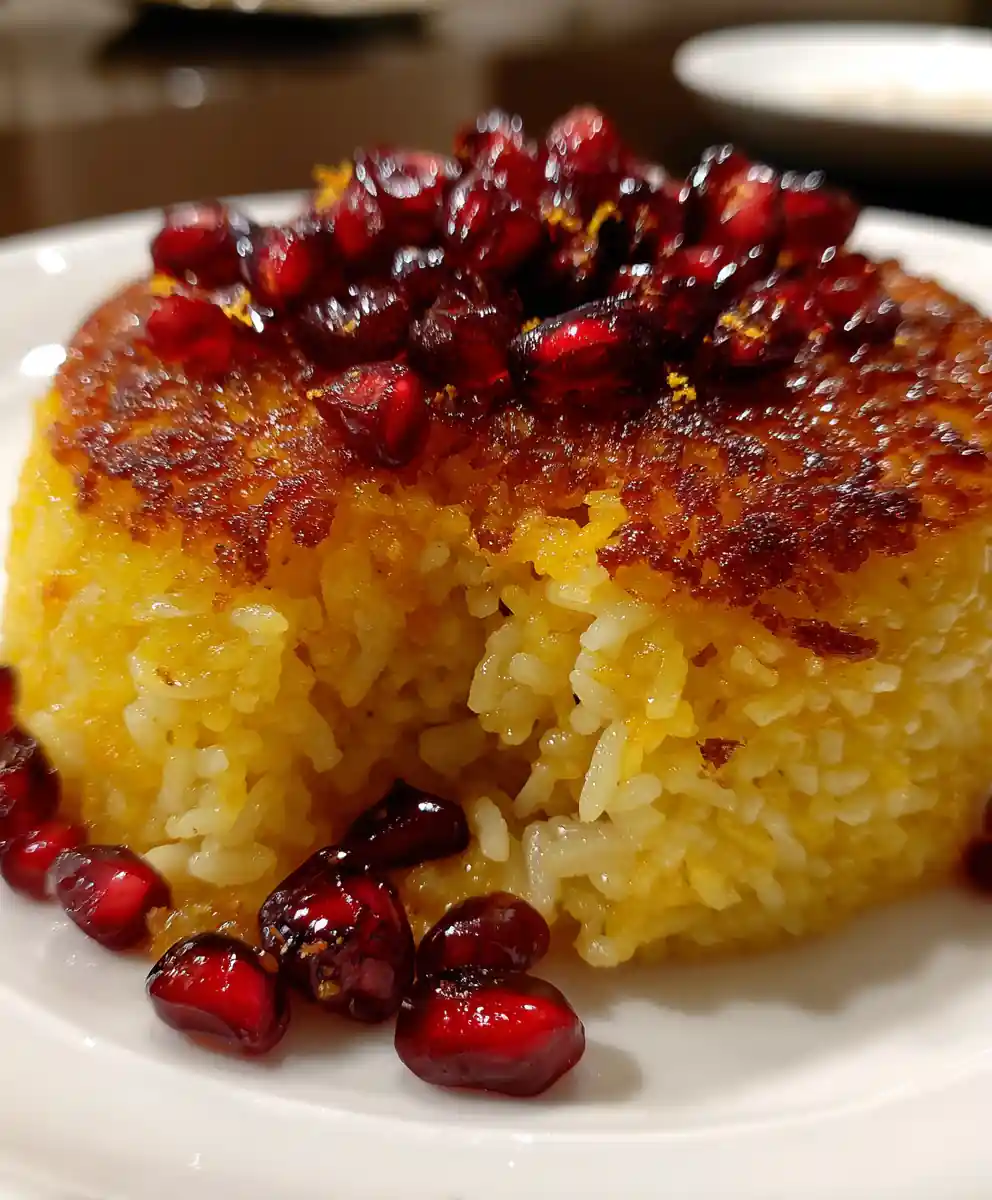
I always look forward to the moment that perfect, crispy crust is revealed after patiently steaming the rice. The aroma alone, when the lid comes off this persian rice recipe Golden Tahdig with Barberry Rubies, is pure magic—a fragrant blend of saffron and perfectly cooked rice. This traditional dish, featuring a glorious golden tahdig and bright barberry rubies, is surprisingly easy to master and makes an excellent family-friendly meal. It’s ideal for elevating any family dinner or special gathering, turning a simple grain into an unforgettable experience with this truly special persian rice recipe Golden Tahdig with Barberry Rubies.

Ingredient Highlights and Smart Alternatives
Getting the right ingredients is key to an amazing persian rice recipe Golden Tahdig with Barberry Rubies. Here’s what you’ll need to get that authentic taste and perfect texture:
- Basmati Rice: 2 cups (approx. 400g). The star! Choose aged Basmati for fluffier, separate grains. Rinse thoroughly until water runs clear to prevent stickiness.
- Butter or Ghee: 3 tablespoons (45g) for the tahdig layer, plus 1 tablespoon (15g) for barberries. Essential for the crispy tahdig and rich flavor. Use good quality unsalted butter or ghee. (Premium option: grass-fed ghee for a nuttier taste. Dairy-free option: coconut oil or a good quality plant-based butter alternative.)
- Oil (Vegetable or Saffron-infused): 2 tablespoons (30ml). Prevents sticking and contributes to the golden crust.
- Saffron Threads: 1/4 teaspoon (a small pinch). For authentic color and aroma. Steep in hot water or 2-3 ice cubes to extract maximum color. (Substitution: A pinch of turmeric can offer color, but won’t replicate saffron’s unique flavor.)
- Barberries (Zereshk): 1/2 cup (approx. 75g). The ‘rubies’! Provide a tart, bright counterpoint. Rinse thoroughly. (Substitution: Dried cranberries or sour cherries, chopped, can work in a pinch if zereshk isn’t available, but adjust sweetness.)
- Sugar (optional for barberries): 1 teaspoon. Balances the tartness of the barberries.
- Salt: 1-2 teaspoons for cooking rice, plus a pinch for barberries. To season the rice perfectly.
- Water: 6-8 cups (1.5-2 liters) for par-boiling. For cooking the rice.
Easy Step-by-Step Method: Your Persian Rice Recipe with Golden Tahdig
Achieving that coveted Golden Tahdig is all about technique and a little patience. Follow these steps for an impressive and easy dinner idea, crafting your own perfect persian rice recipe Golden Tahdig with Barberry Rubies:
- Prep the Rice (15 mins active, 30-60 mins soak): Rinse 2 cups of Basmati rice repeatedly under cool water until the water runs clear. This takes about 5-7 rinses. Then, soak the rice in fresh salted water for 30-60 minutes to ensure fluffy grains. Drain well.
- Par-Boil the Rice (7-10 mins): Bring a large pot (I use my 6-quart stockpot) of generously salted water to a rolling boil. Add the drained rice and boil uncovered for 7-10 minutes until the grains are ‘al dente’—a bit firm but not hard, and they should stretch if squeezed. Drain immediately into a colander.
- Prepare the Tahdig Layer (5 mins): In a clean, heavy-bottomed, non-stick pot (a 10-inch skillet works well), melt 3 tablespoons butter and 2 tablespoons oil over medium heat. Swirl to coat the bottom evenly, ensuring it sizzles gently. For a classic Golden Tahdig layer in this persian rice recipe, take about 1 cup of par-boiled rice, mix it with a drizzle of saffron liquid, and spread it in a thin, even layer on the bottom. If your tahdig looks like it’s sticking prematurely, increase the butter/oil slightly on your next try. Sometimes, when I make this persian rice recipe for a quick weeknight dinner, I’ll use a thin layer of sliced potato for the tahdig; my kids absolutely love the extra crunch and it’s a fun variation!
- Layer the Rice (5 mins): Gently add the remaining par-boiled rice over the tahdig layer, forming a graceful mound in the pot. Use the handle of a wooden spoon to create 5-6 holes through the rice down to the tahdig layer for steam to escape efficiently.
- The Steam Bath (45-60 mins): Cover the lid tightly with a clean kitchen towel (to absorb steam and prevent it from dripping back onto the rice). Place the lid on the pot and cook on medium-high heat for 10-15 minutes to form the initial crispy tahdig. You’ll hear a gentle sizzle from the bottom, indicating the crust is forming nicely. Then, reduce the heat to low and steam for another 30-45 minutes until the rice is tender and fragrant.
- Prepare the Barberries (5 mins): While the rice steams, melt 1 tablespoon butter in a small non-stick pan over low heat. Add the rinsed barberries and 1 teaspoon sugar (if desired). Sauté gently for 2-3 minutes until the barberries plump slightly and become glossy.
- Unmold and Serve (5 mins): Once cooked, remove the pot from heat and let it rest, covered, for 5-10 minutes. This helps the tahdig release easily. Place a large serving platter over the pot and, with confidence, invert quickly. The beautiful Golden Tahdig with its vibrant barberry rubies will be revealed, a truly impressive part of this persian rice recipe! Garnish generously with the sautéed barberries and a drizzle of any remaining saffron butter from the pot.
Best Ways to Serve and Enjoy Your Persian Rice with Golden Tahdig
This Persian rice with Golden Tahdig is wonderfully versatile, perfect for family weeknight dinners or elegant holiday celebrations. It’s an excellent choice for special gatherings and impressing guests.
- Main Dishes: Serve alongside classic roasted chicken, hearty lamb stews like Ghormeh Sabzi or Gheimeh, flavorful kebabs, or light grilled fish.
- Toppings & Garnishes: Enhance presentation and taste with fresh herbs such as dill or parsley, toasted pistachios, or an extra sprinkle of saffron threads.
- Beverages: Pair it with a traditional Persian Doogh (a savory yogurt drink) or a refreshing glass of iced tea.
- Storage and Reheating: Store leftover Persian rice in an airtight container in the refrigerator for up to 3-4 days. Reheat gently in the microwave or on the stovetop with a splash of water to retain moisture. While the tahdig might soften slightly, it will still be delicious.
Everyday Benefits of Making This Easy Persian Rice Recipe
Making this easy Persian rice recipe means you always have a winning dish that looks impressive but requires minimal active cooking time. It’s a show-stopping side that makes healthy eating simple.
- Cost-Effective & Satisfying: Basmati rice is an economical staple, and this recipe transforms it into a hearty, satisfying meal component, ideal for easy family meals.
- Family-Friendly & Versatile: This naturally gluten-free dish appeals to all ages and is easily adaptable. It fits perfectly into your collection of healthy recipes for dinner.
- A Taste of Comfort: This comforting, warm dish brings joy and familiarity to the table, embodying the best in comfort food.
Nutrition, Diet, and Lifestyle Notes for Persian Rice
Our Persian rice offers more than just incredible flavor; it provides complex carbohydrates for sustained energy. Saffron contributes beneficial antioxidants, and the barberries are a great source of Vitamin C.
- Diabetic-Friendly: Control portion sizes and consider using brown Basmati rice for increased fiber content, if appropriate for your diet.
- Vegan/Dairy-Free: Easily adapt this recipe by using plant-based butter or oil for both the tahdig layer and when sautéing the barberries.
- Allergy-Friendly: Basmati rice is naturally gluten-free. For severe allergies, always ensure all other ingredients are certified free from cross-contamination.
Cooking Tips, Flavor Boosts, and Variations for Persian Rice
For an extra crispy tahdig, I’ve found using a non-stick pot with a thicker bottom works best, allowing for more even heat distribution. Always control the heat carefully to prevent burning.
- Saffron Boost: For a more vibrant color and stronger aroma, steep your saffron threads in 2-3 ice cubes instead of hot water. I’ve found using ice cubes to bloom the saffron really makes the color pop; it’s a little trick my aunt taught me.
- Herbaceous Twist: For a “Sabzi Polo” variation, mix fresh chopped dill, cilantro, or parsley into your rice layers.
- Smart Storage & Freezing Hacks: Cooked rice (without the crispy tahdig portion) can be portioned and frozen for up to 1 month. Thaw and reheat gently. The tahdig itself is best enjoyed fresh, but leftovers can be crisped up slightly in a dry pan.
FAQs about Persian Rice Recipe with Golden Tahdig
“Can this Persian rice recipe be part of a weekly meal prep plan?”
Yes, absolutely! While the tahdig is best enjoyed fresh for maximum crispness, the plain steamed rice portion can be prepared and stored. This makes it a fantastic base for healthy eating and easy reheating throughout the week.
“What are the best ingredients to buy for a truly authentic Golden Tahdig with Barberry Rubies?”
To achieve the finest results, prioritize aged Basmati rice, high-quality Persian saffron, and authentic dried barberries (zereshk). Sourcing these premium ingredients, perhaps from a Middle Eastern grocer, makes a noticeable difference in flavor and texture.
“Is this Persian rice recipe suitable for gluten-free or low-carb diets?”
Basmati rice is naturally gluten-free. For a lower-carb option, I’ve successfully used 1 cup of cauliflower rice for the tahdig layer, adjusting oil slightly for crispness without compromising flavor.
“How do I prevent the Golden Tahdig from sticking to the pot?”
Ensure you use a generous amount of oil and butter for the tahdig layer and select a reliable non-stick pot. After cooking, let the pot rest off the heat for 5-10 minutes; this slight cooling helps the tahdig release cleanly and easily.
“What if I can’t find fresh barberries?”
Dried barberries are the traditional ingredient for this dish! If dried zereshk is unavailable in your area, dried cranberries or sour cherries (chopped) can serve as a tart substitute; simply taste and adjust the sugar as needed to balance their tartness.
“Can I make this Persian rice recipe without saffron?”
Yes, you certainly can omit the saffron. The tahdig will still achieve a beautiful golden hue from the butter and oil. While you’ll miss saffron’s distinctive aroma, a small pinch of turmeric can add a similar warm color if desired.
Conclusion
Mastering this Persian rice recipe for Golden Tahdig with Barberry Rubies brings a truly special dish to your table, transforming simple ingredients into an unforgettable culinary experience. I just love how this simple dish elevates any family dinner. Save this recipe on Pinterest now so you can make this easy, hearty meal tonight!
Print
persian rice recipe Golden Tahdig with Barberry Rubies
- Total Time: 105 minutes
- Yield: 4-6 servings
- Diet: General
Description
This traditional Persian rice dish features a glorious golden tahdig and bright barberry rubies. It’s surprisingly easy to master and makes an excellent family-friendly meal, perfect for elevating any dinner or special gathering.
Ingredients
- 2 cups Basmati rice
- 4 tablespoons butter or ghee
- 2 tablespoons vegetable oil or saffron-infused oil
- 0.25 teaspoon saffron threads
- 0.5 cup barberries (Zereshk)
- 1 teaspoon sugar, optional
- 1–2 teaspoons salt, plus a pinch
- 6–8 cups water
Instructions
- Prep The Rice: Rinse 2 cups Basmati rice repeatedly under cool water until the water runs clear (about 5-7 rinses). Soak the rice in fresh salted water for 30-60 minutes, then drain well.
- Par-Boil The Rice: Bring a large pot of generously salted water to a rolling boil. Add the drained rice and boil uncovered for 7-10 minutes until the grains are al dente. Drain immediately into a colander.
- Prepare The Tahdig Layer: In a clean, heavy-bottomed, non-stick pot (a 10-inch skillet), melt 3 tablespoons butter and 2 tablespoons oil over medium heat, swirling to coat the bottom. For the tahdig, take about 1 cup of par-boiled rice, mix it with a drizzle of saffron liquid, and spread it in a thin, even layer on the bottom.
- Layer The Rice: Gently add the remaining par-boiled rice over the tahdig layer, forming a graceful mound in the pot. Use a wooden spoon handle to create 5-6 holes through the rice down to the tahdig layer for steam to escape.
- Perform The Steam Bath: Cover the lid tightly with a clean kitchen towel to absorb steam. Place the lid on the pot and cook on medium-high heat for 10-15 minutes to form the initial crispy tahdig. Reduce the heat to low and steam for another 30-45 minutes until the rice is tender and fragrant.
- Prepare The Barberries: While the rice steams, melt 1 tablespoon butter in a small non-stick pan over low heat. Add the rinsed barberries and 1 teaspoon sugar (if desired). Sauté gently for 2-3 minutes until the barberries plump slightly and become glossy.
- Unmold And Serve: Once cooked, remove the pot from heat and let it rest, covered, for 5-10 minutes. Place a large serving platter over the pot and invert quickly. Garnish generously with the sautéed barberries and a drizzle of any remaining saffron butter from the pot.
Notes
If your tahdig looks like it’s sticking prematurely, increase the butter/oil slightly on your next try. A thin layer of sliced potato can be used for the tahdig for extra crunch. Steep saffron in hot water or 2-3 ice cubes to extract maximum color.
- Prep Time: 35 minutes
- Cook Time: 62 minutes
- Category: Side Dish
- Method: Steaming, Stovetop
- Cuisine: Persian
Nutrition
- Serving Size: 1.5 cups cooked rice (approx 200 g)
- Calories: 340 calories
- Sugar: 1.5 g
- Sodium: 200 mg
- Fat: 13 g
- Saturated Fat: 5 g
- Unsaturated Fat: 8 g
- Trans Fat: 0 g
- Carbohydrates: 50 g
- Fiber: 1 g
- Protein: 5 g
- Cholesterol: 20 mg
FREE PRINTABLE RECIPE
Get the Printable Recipe PDF (Free)
Enter your email and we’ll send you the ingredients + step-by-step instructions as a clean PDF you can save to your phone.
- ✅ Printable PDF (ingredients + steps)
- ✅ Save it to your phone (no long scrolling)
- ✅ Includes cook time + servings
- ✅ Easy to follow
FAQ
Where’s the full recipe?
It’s delivered as a printable PDF so you can save it and cook without scrolling.
I didn’t get the email.
Check Spam/Promotions and search your inbox for your site name. Then click Confirm to receive the PDF.