
I often find myself craving warm, homemade biscuits, especially on a chilly morning. The aroma of fresh-baked goods and the promise of flaky, tender biscuits makes this biscuit recipe with self-rising flour irresistible. This easy recipe is perfect for busy families, offering a quick path to a comforting side or a satisfying breakfast. You’ll achieve golden, fluffy results every time, transforming simple ingredients into something special. Get ready for classic biscuits with minimal fuss, smart choices, and handy tips for perfect homemade results.
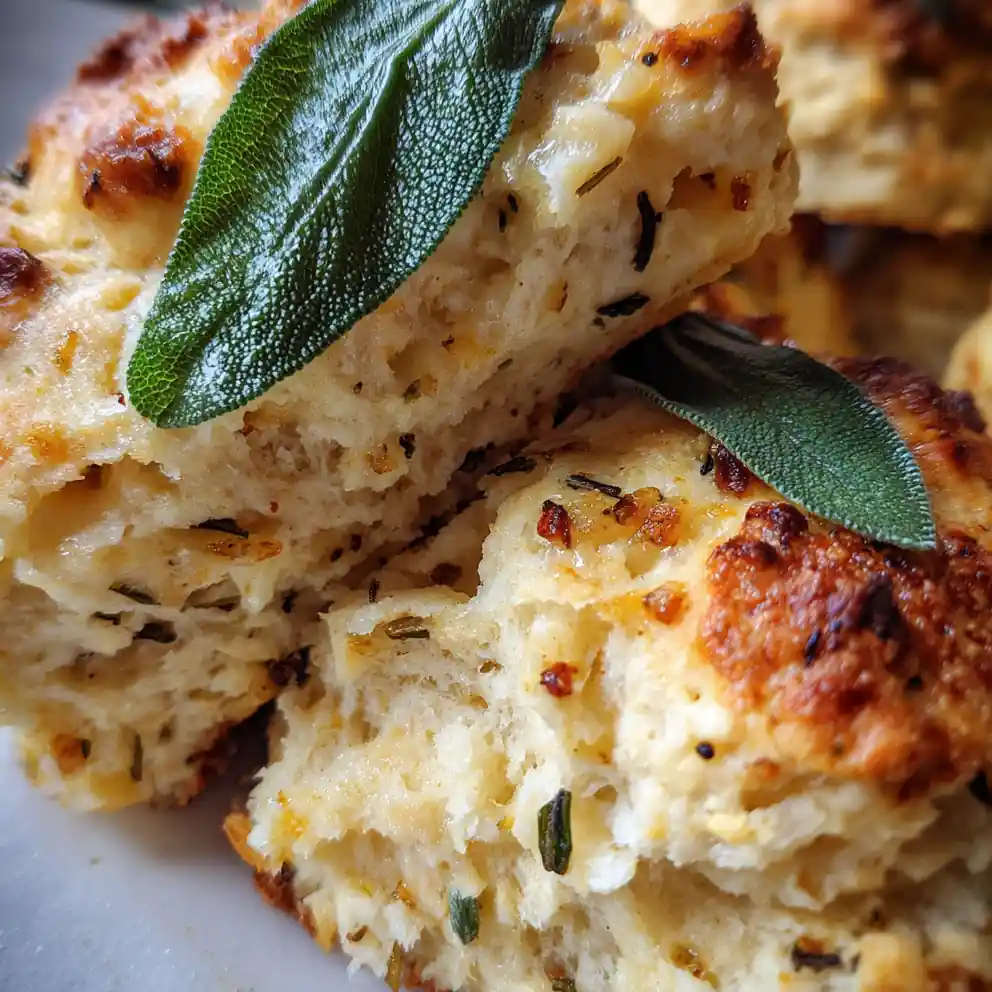
Ingredient Spotlight and Smart Choices
Building a great biscuit starts with quality ingredients, especially when perfecting a biscuit recipe with self-rising flour. Each component plays a vital role:
- Self-Rising Flour, 360g (3 cups): The cornerstone for consistent lift and a light, tender crumb.
- Unsalted Butter, 170g (12 tablespoons or 1 ½ sticks): Use very cold, cubed butter (110g, 8 tbsp) for flaky layers, and melted, browned butter (60g, 4 tbsp) for a rich, nutty depth. Swap: Organic, grass-fed butter enhances flavor, or if you only have salted, omit the added salt.
- Fresh Sage Leaves, 10g (about 15-20 small leaves): Infused sage adds an earthy, aromatic note. Swap: Fresh rosemary works beautifully if sage isn’t available.
- Freshly Ground Black Pepper, 5g (1 teaspoon): Provides a subtle warmth and a gentle bite.
- Fine Sea Salt, 2g (½ teaspoon): Balances all the rich flavors in the dough.
- Cold Buttermilk, 240ml (1 cup): Essential for moisture, tenderness, and that signature tangy flavor. Swap: If no buttermilk, use regular cold milk with 1 tablespoon of lemon juice or white vinegar stirred in, let it sit for 5 minutes.
For the best results, always use very cold butter; I sometimes even grate it for super even distribution. Ensure your self-rising flour is fresh for optimal lift and a truly light, fluffy texture, crucial for any great biscuit recipe with self-rising flour. Avoid overmixing the dough for a consistently tender crumb.
Clear Step-by-Step Instructions
Let’s get baking! This biscuit recipe with self-rising flour comes together quickly, perfect for an easy dinner idea.
- Preheat your oven to 220°C (425°F). Line a baking sheet with parchment paper, ensuring it’s ready for hot biscuits.
- Brown 60g (4 tablespoons) unsalted butter in a small, light-bottomed saucepan over medium heat. Cook, stirring occasionally, for 3-5 minutes until it smells nutty and the milk solids at the bottom turn a rich golden brown. Immediately remove from heat and stir in 5g of finely chopped fresh sage. Pour the brown butter into a small, heatproof bowl to cool slightly, reserving about 2 tablespoons for later brushing.
- In a large bowl, whisk together the 360g (3 cups) self-rising flour, 5g (1 teaspoon) freshly ground black pepper, and 2g (½ teaspoon) fine sea salt – the heart of this easy biscuit recipe with self-rising flour. Add the remaining 110g (8 tablespoons) of very cold, cubed unsalted butter. Use a pastry blender, two knives, or your fingertips to cut the butter into the flour until the mixture resembles coarse meal with some pea-sized pieces of butter still visible.
- Create a well in the center of the flour mixture. Pour in the 240ml (1 cup) cold buttermilk and the cooled brown butter (including solids and sage bits) into the well. Mix with a fork or rubber spatula just until combined; the dough should still appear shaggy. If your dough seems too dry to come together, add cold buttermilk one tablespoon at a time until it’s just shaggy. I sometimes use my large 9×13 baking sheet for all the biscuits, which simplifies arrangement.
- Turn the shaggy dough out onto a lightly floured surface. Gently pat the dough into a roughly 2.5 cm (1-inch) thick rectangle. Fold the dough in half, then gently pat it down again to about 2.5 cm (1 inch) thick. Repeat this folding and patting process 2-3 more times; this layering is crucial for flaky biscuits; you’ll love the results from this simple biscuit recipe with self-rising flour. Do not overwork the dough.
- Using a 6 cm (2.5-inch) round biscuit cutter, press straight down firmly into the dough to cut out biscuits. Do not twist the cutter to maintain those flaky layers. Reroll scraps gently once to cut additional biscuits, aiming for 8-10 total.
- Place the cut biscuits onto your prepared baking sheet, ensuring they are slightly touching for softer sides. Bake for 12-15 minutes in the preheated oven, or until they are deeply golden brown on top and bottom, indicating a perfect bake.
- Remove the biscuits from the oven. Immediately brush the tops generously with the reserved 2 tablespoons of warm brown butter for an extra rich, glossy finish.
For an even quicker prep, a food processor can cut in the cold butter in seconds, making this biscuit recipe with self-rising flour even faster, a true convenience for quick meals. If you’re in a rush, simply spoon portions of the shaggy dough onto the baking sheet for easy drop biscuits instead of cutting.
Perfect Occasions & Serving Inspiration
This simple biscuit recipe with self rising flour is incredibly versatile for any meal! It’s ideal for quick weeknight dinners when you need a comforting side, leisurely weekend breakfasts, or holiday brunches. My family loves these warm biscuits alongside a hearty chili, making for easy dinner ideas any night.
- Pairing Ideas: Serve warm with creamy sausage gravy, homemade jam and butter, or a drizzle of honey. They also make a fantastic accompaniment to fried chicken.
- Make-Ahead & Storage: You can freeze unbaked biscuit dough rounds for up to 1 month. Store baked biscuits in an airtight container at room temperature for 2-3 days.
- Reheating: Warm baked biscuits in a 300°F (150°C) oven for about 5-7 minutes, or microwave for 15-30 seconds until heated through.
Nutrition & Lifestyle Advantages of Homemade Biscuits
Making your own biscuits from scratch with this biscuit recipe with self rising flour offers excellent control over what goes into your food. You can choose healthier fats like unsalted butter and manage portion sizes. Consider using whole wheat self-rising flour for a beneficial fiber boost, making them a great addition to your healthy eating goals.
- Comfort & Satisfaction: These warm, fluffy biscuits are incredibly comforting and satisfying.
- Family Connection: A wonderful way to bond as a family in the kitchen.
- Ingredient Control: Avoids unwanted additives found in store-bought versions.
- Versatile Meals: A perfect component of family-friendly healthy dinner recipes with lean protein.
- Meal Prep Support: Supports quick meal prep by freezing dough for later use.
- Adaptable: Can be adapted for higher-protein snacks with cheese.
Everyday Practical Benefits
This simple biscuit recipe with self rising flour provides multiple benefits for the busy home cook, making it a staple for quick meals.
- Budget-Friendly: Save money by making delicious biscuits at home instead of buying more expensive store-bought versions.
- Time-Saving: It’s a quick-to-assemble recipe, perfect for those evenings when you need something fast and comforting.
- Enhanced Nutrition: Enjoy better nutrition by choosing quality ingredients and controlling sugar and salt levels for healthier options.
- Ultimate Convenience: Having self-rising flour on hand simplifies baking, reducing the need for multiple leavening agents.

Expert Tips, Variations & Adjustments
Elevate your homemade biscuits with these expert tips and easy variations. Achieving flaky, tender biscuits using a biscuit recipe with self rising flour is simpler than you think.
- Extra Rise: For a higher rise, arrange biscuits so they’re touching on the baking sheet. This helps them push each other up.
- Golden Crust: Brush the tops with a little melted butter before baking for a beautiful golden crust.
- Savory Biscuits: Add shredded cheddar cheese and chives to the dough for a savory twist, perfect with soups or stews.
- Sweet Biscuits: Incorporate a pinch of sugar and cinnamon, or even some dried cranberries, for a delightful sweet treat.
- Gluten-Free: Use a certified gluten-free self-rising flour blend for those with celiac disease or gluten sensitivities.
- Dairy-Free: Swap dairy milk and butter for your favorite plant-based alternatives for lactose intolerance or vegan diets.
Common Questions Answered
Is this biscuit recipe with self-rising flour good for meal prep?
Absolutely! This biscuit recipe with self-rising flour is excellent for meal prep. You can prepare the dough and cut out the biscuits, then freeze them unbaked on a baking sheet. Once solid, transfer to a freezer bag and store for up to a month. Bake directly from frozen, adding a few extra minutes to the baking time.
What are the healthiest substitutes for self-rising flour in this recipe?
For a healthier twist, you can create your own self-rising flour by mixing whole wheat pastry flour with baking powder and a pinch of salt. Alternatively, look for a store-bought whole wheat self-rising flour blend. This swap adds beneficial fiber to your family-friendly meals.
Can I order self-rising flour ingredients online?
Yes, certainly! Self-rising flour, butter, and milk are common pantry staples that are readily available for online grocery delivery or pickup from most major retailers. This offers ultimate convenience for stocking up on essentials for your favorite quick meals.
How do I get flaky biscuits using self-rising flour?
The key to exceptionally flaky biscuits with self-rising flour is to use very cold butter and handle the dough as little as possible. I find grating the butter directly into the flour helps keep it cold and creates tiny, even pockets for steam, leading to perfect layers. Overmixing develops gluten, which results in a tough biscuit.
What’s the secret to fluffy biscuits with self-rising flour?
For fluffy biscuits, beyond using self-rising flour, don’t overmix the dough. Mix just until combined and shaggy, then pat it out gently. Ensure your oven is preheated to a high temperature, like 425°F (220°C). The rapid, intense heat helps the leavening agents in the flour activate quickly, creating that wonderful light and airy texture.
Can I make sweet biscuits with self-rising flour?
Yes, easily! To make sweet biscuits using this self-rising flour recipe, simply add a tablespoon or two of sugar and a touch of cinnamon to the dry flour mixture before adding the butter. You could also fold in some dried fruit like cranberries or golden raisins for extra flavor and texture.
Conclusion
This simple approach is truly the simplest path to homemade comfort food perfection, delivering flaky, tender, and utterly delicious biscuits every single time for your quick meals. Don’t wait – whip up a batch tonight and savor the warmth of fresh-baked goodness with your family, or save this easy recipe to your Pinterest board for future cozy family dinners!
Print
biscuit recipe with self rising flour
- Total Time: 35 minutes
- Yield: 8-10 biscuits
- Diet: General
Description
This easy recipe uses self-rising flour to create warm, homemade, flaky, and tender biscuits. Perfect for busy families, it offers a quick path to a comforting side or a satisfying breakfast.
Ingredients
- 360 g (3 cups) self-rising flour
- 170 g (12 tablespoons) unsalted butter (110 g (8 tbsp) very cold, cubed; 60 g (4 tbsp) melted, browned)
- 10 g (about 15–20 small leaves) fresh sage leaves, finely chopped
- 5 g (1 teaspoon) freshly ground black pepper
- 2 g (0.5 teaspoon) fine sea salt
- 240 ml (1 cup) cold buttermilk
Instructions
- Preheat Oven and Prepare Baking Sheet: Preheat your oven to 220 degrees C (425 degrees F). Line a baking sheet with parchment paper.
- Brown Butter and Infuse Sage: Brown 60 g (4 tablespoons) unsalted butter in a small saucepan over medium heat for 3-5 minutes until nutty and golden. Immediately remove from heat and stir in 5 g of finely chopped fresh sage. Pour the brown butter into a small, heatproof bowl to cool slightly, reserving about 2 tablespoons for later brushing.
- Mix Dry Ingredients and Cut in Butter: In a large bowl, whisk together the 360 g (3 cups) self-rising flour, 5 g (1 teaspoon) freshly ground black pepper, and 2 g (0.5 teaspoon) fine sea salt. Add the remaining 110 g (8 tablespoons) of very cold, cubed unsalted butter. Use a pastry blender, two knives, or your fingertips to cut the butter into the flour until the mixture resembles coarse meal with some pea-sized pieces of butter still visible.
- Combine Wet and Dry Ingredients: Create a well in the center of the flour mixture. Pour in the 240 ml (1 cup) cold buttermilk and the cooled brown butter (including solids and sage bits) into the well. Mix with a fork or rubber spatula just until combined; the dough should still appear shaggy. (If your dough seems too dry to come together, add cold buttermilk one tablespoon at a time until it’s just shaggy.)
- Fold and Layer Dough: Turn the shaggy dough out onto a lightly floured surface. Gently pat the dough into a roughly 2.5 cm (1-inch) thick rectangle. Fold the dough in half, then gently pat it down again to about 2.5 cm (1 inch) thick. Repeat this folding and patting process 2-3 more times; this layering is crucial for flaky biscuits. Do not overwork the dough.
- Cut Biscuits: Using a 6 cm (2.5-inch) round biscuit cutter, press straight down firmly into the dough to cut out biscuits. Do not twist the cutter to maintain those flaky layers. Reroll scraps gently once to cut additional biscuits, aiming for 8-10 total.
- Bake Biscuits: Place the cut biscuits onto your prepared baking sheet, ensuring they are slightly touching for softer sides. Bake for 12-15 minutes in the preheated oven, or until they are deeply golden brown on top and bottom.
- Brush with Brown Butter: Remove the biscuits from the oven. Immediately brush the tops generously with the reserved 2 tablespoons of warm brown butter for an extra rich, glossy finish.
Notes
Use very cold butter (grate for even distribution) and fresh self-rising flour for best results. Avoid overmixing dough for tenderness. Substitutions: use organic butter or omit salt if using salted butter; use fresh rosemary instead of sage; create homemade buttermilk with milk and lemon juice/white vinegar. For quicker prep, a food processor can cut butter, or make drop biscuits by spooning dough onto the baking sheet.
- Prep Time: 20 minutes
- Cook Time: 15 minutes
- Category: Breakfast
- Method: Baking
- Cuisine: American
Nutrition
- Serving Size: 1 biscuit (approx 70 g)
- Calories: 290 calories
- Sugar: 2 g
- Sodium: 350 mg
- Fat: 15 g
- Saturated Fat: 10 g
- Unsaturated Fat: 5 g
- Trans Fat: 0 g
- Carbohydrates: 38 g
- Fiber: 1 g
- Protein: 5 g
- Cholesterol: 40 mg
FREE PRINTABLE RECIPE
Get the Printable Recipe PDF (Free)
Enter your email and we’ll send you the ingredients + step-by-step instructions as a clean PDF you can save to your phone.
- ✅ Printable PDF (ingredients + steps)
- ✅ Save it to your phone (no long scrolling)
- ✅ Includes cook time + servings
- ✅ Easy to follow
FAQ
Where’s the full recipe?
It’s delivered as a printable PDF so you can save it and cook without scrolling.
I didn’t get the email.
Check Spam/Promotions and search your inbox for your site name. Then click Confirm to receive the PDF.