
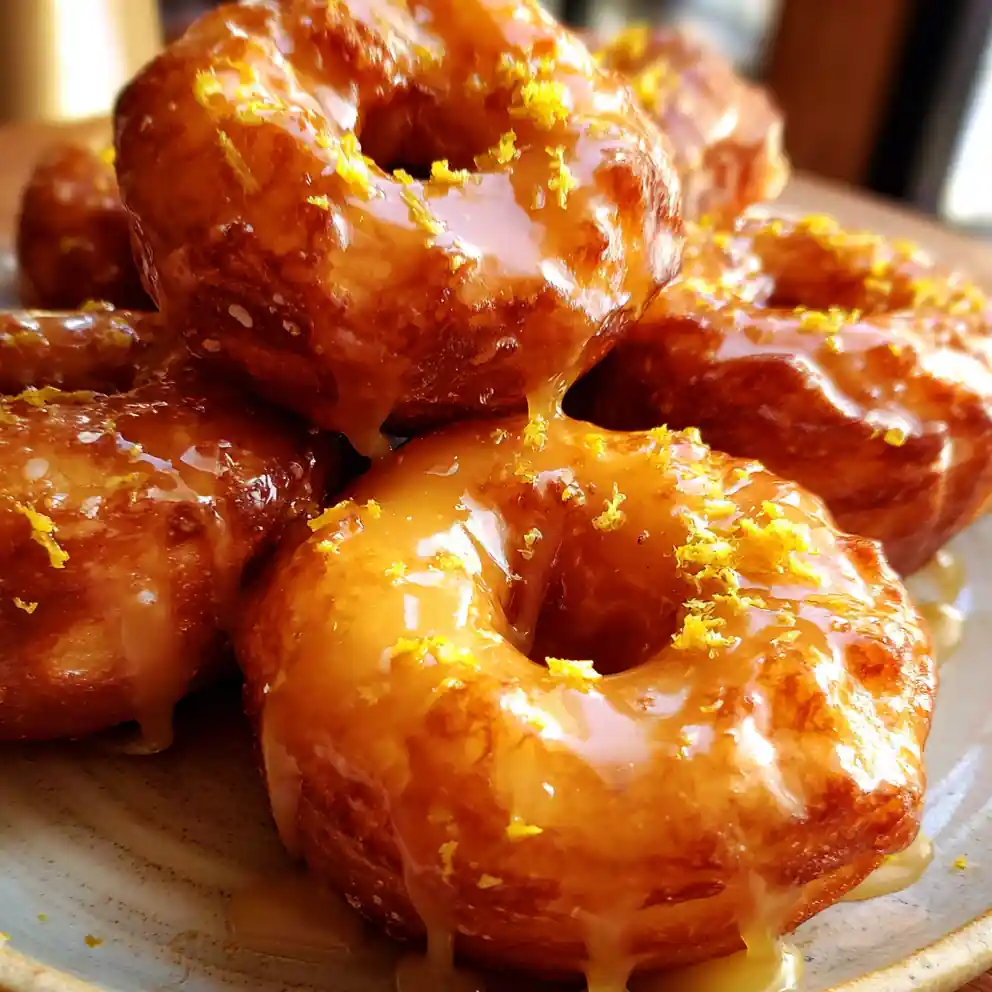
I firmly believe that making truly great old-fashioned donuts at home is a lost art that every baker should try. This recipe delivers the perfect craggy, cakey interior and crisp exterior that defines this classic old fashioned donut recipe. The secret lies in a buttermilk dough and a specific frying technique that makes these far superior to store-bought versions. The spiced cardamom-orange glaze adds a unique twist that makes these feel extra special and cozy for a family-friendly weekend treat.
Ingredients
- 450 g (3 ½ cups) all-purpose flour: Use standard white flour; measure precisely using the scoop and level method or a kitchen scale for best results. Set aside extra flour for dusting your work surface during rolling. If possible, use a high-quality all-purpose flour for a light crumb texture.
- 150 g (¾ cup) granulated sugar: Provides sweetness and helps achieve the golden color during frying. Do not increase sugar significantly in the dough, as it can make the donuts brown too quickly before cooking through.
- 2 ½ teaspoons baking powder: The primary leavening agent that creates the characteristic craggy surface texture in old-fashioned donuts. Ensure your baking powder is fresh for proper rise and texture.
- 1 teaspoon ground nutmeg and ½ teaspoon fine sea salt: Nutmeg is essential for the classic “old fashioned” flavor profile. Salt balances the sweetness and enhances all the flavors in the donut dough.
- 55 g (¼ cup) cold unsalted butter, cut into small cubes: The cold butter helps create pockets of air and a flaky texture when cut into the flour. Do not let the butter soften; work quickly to keep it cold.
- 2 large eggs, lightly beaten: Adds moisture, richness, and structure to the dough. Ensure eggs are at room temperature for better incorporation into the wet mixture.
- 180 ml (¾ cup) buttermilk: The acid in buttermilk reacts with the baking powder to give these donuts their specific tang and tender texture. If you don’t have buttermilk, you can substitute by adding 1 tablespoon of vinegar or lemon juice to regular milk (use whole milk for richness) and letting it sit for 5 minutes.
- 1 teaspoon alcohol-free vanilla extract: Enhances the overall flavor profile without adding alcohol that might impact the frying process.
- 2 L (about 8 cups) vegetable shortening or neutral frying oil: Use a high-smoke point oil like canola, sunflower, or vegetable shortening. Ensure you have a deep enough pot for safety.
- Spiced Cardamom-Orange Glaze Ingredients: 250 g (2 cups) powdered sugar (sifted), 60 ml (¼ cup) fresh orange juice, 1 tablespoon finely grated orange zest, 1 teaspoon ground cardamom: Sifting the powdered sugar prevents lumps in the glaze. Use fresh-squeezed juice and zest from a large orange for maximum flavor. The cardamom adds a warm, spicy note that pairs beautifully with the orange.
Instructions
1. Prep the dry ingredients and cut in the butter.
In a large mixing bowl, whisk together the all-purpose flour, granulated sugar, baking powder, ground nutmeg, and fine sea salt. Add the cold cubed butter to the dry ingredients and use your fingertips or a pastry blender to cut the butter into the flour mixture until it resembles coarse crumbs with some pea-sized pieces remaining. This step is crucial for achieving the classic “craggy” texture when making old fashioned donuts.
2. Combine wet ingredients and form the dough.
In a separate medium bowl, whisk together the lightly beaten eggs, buttermilk, and vanilla extract. Pour the wet ingredients into the dry ingredients and stir with a wooden spoon or spatula until just combined and a shaggy dough forms. Be careful not to overmix, which would develop the gluten too much and result in tough donuts instead of tender ones.
3. Chill the dough for optimal texture.
Turn the shaggy dough out onto a lightly floured surface and gently knead for about 30 seconds, just until it comes together into a cohesive disk. Wrap the disk in plastic film and chill in the refrigerator for at least 30 minutes, or up to 2 hours. Chilling the dough solidifies the butter and prevents over-spreading during frying, which is essential for the distinctive cracks to form in this old fashioned donut recipe.
4. Roll and cut the donuts.
Once chilled, unwrap the dough and place it on a lightly floured surface. Roll the dough to a thickness of about 1.5 cm (½ inch), ensuring consistent thickness for even frying. I usually find that rolling the dough on a lightly floured silicone mat gives me the best craggy edges when frying, without the risk of overworking the dough with too much flour. Use a 7.5 cm (3-inch) donut cutter or two concentric round cutters (7.5 cm and 2.5 cm for the hole) to cut out the donuts and their holes; gather any scraps, gently re-form, roll, and cut once or twice more until all dough is used.
5. Heat the oil and monitor temperature.
In a large, heavy-bottomed pot or Dutch oven, heat the vegetable shortening or frying oil over medium-high heat until it reaches 175°C (350°F). Use a deep-fry thermometer to monitor the temperature; maintaining a consistent temperature is critical for proper cooking. If your oil temperature drops significantly when you add the dough, adjust the heat slightly; if it stays low, your donuts will absorb oil and become greasy instead of light and fluffy.
6. Fry the donuts in batches.
Carefully slide 3-4 donuts into the hot oil, using a slotted spoon or spider to gently lower them. Fry for 2-3 minutes per side, or until deeply golden brown and cooked through; ensure you turn them gently halfway through. The classic cracks on the surface should form as they fry; remove the donuts with a slotted spoon and place them on a wire rack set over a baking sheet to drain excess oil before glazing.
7. Prepare and apply the spiced glaze.
While the donuts are still warm, prepare the glaze: whisk together the sifted powdered sugar, fresh orange juice, 1 tablespoon finely grated orange zest, and 1 teaspoon ground cardamom in a medium bowl until completely smooth. The glaze should be thick but pourable; adjust consistency with small amounts of extra powdered sugar (if too thin) or orange juice (if too thick). Dip each warm donut into the glaze, turning to coat evenly, allow excess glaze to drip off, and return them to the wire rack to set.
8. Garnish and serve warm.
Arrange the glazed donuts on a clean serving plate or board for visual appeal. For the final garnish, dust lightly with the remaining ¼ teaspoon ground cardamom and sprinkle with the remaining ½ teaspoon finely grated orange zest. Serve immediately while warm for the best flavor and texture.
Tips for Perfect Frying: The Key to Craggy Texture
Maintain oil temperature at 350°F (175°C)
This precise temperature is non-negotiable for achieving the right texture; if the oil is too hot, the outside will burn before the inside cooks, but if too cool, the donuts will soak up oil and become greasy. Use a thermometer and adjust heat (turning it up or down) between batches as needed to keep it steady.
Don’t overcrowd the pot
Fry only 3-4 donuts at a time, depending on your pot size; overcrowding drastically drops the oil temperature and leads to soggy donuts. Be patient and fry in small batches for the best results to ensure every old fashioned donut recipe result is perfect.
The chilling step is vital
The 30-minute chill time in the refrigerator (Step 3 in Part 1) helps prevent the donuts from spreading too much when they hit the hot oil. This ensures they hold their shape and develop the characteristic craggy surface that defines a perfect old fashioned donut recipe.
Making These Old Fashioned Donuts Ahead
Best served fresh
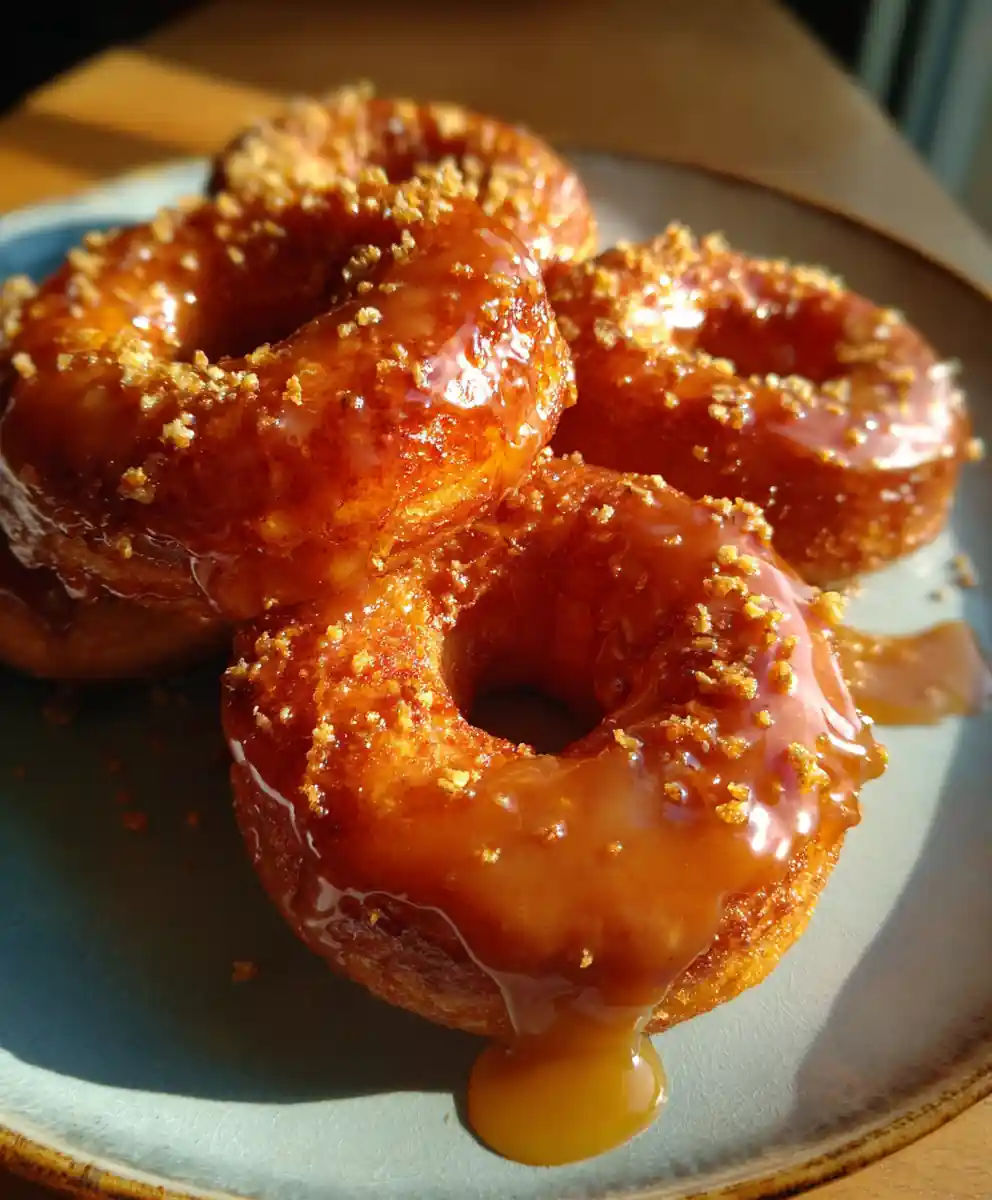
While these old fashioned donut recipe creations are best enjoyed within an hour of frying, you can store them for later. The texture will soften significantly as they sit, but the flavor will remain delicious.
Storage instructions
Store completely cooled, glazed donuts in an airtight container at room temperature for up to 2 days. Avoid refrigerating them, as this will dry them out rapidly.
Reheating tips
To bring back some of their texture, briefly reheat leftover donuts in a toaster oven or standard oven at 350°F (175°C) for 3-5 minutes. Avoid microwaving, which results in a tough, chewy texture. When I make this old fashioned donut recipe for my family, I often save the holes and fry them first for a quick taste test, knowing the full-size donuts are best when they cool slightly.
FAQs
Can I substitute for buttermilk?
Yes, you can make a simple substitute: add 1 tablespoon of white vinegar or lemon juice to a liquid measuring cup and fill the rest with regular milk (whole milk works best) to equal ¾ cup. Let it sit for 5 minutes before using.
How do I get the ‘craggy’ texture?
The key is two parts: first, cutting cold butter into the flour (like making scones or biscuits) rather than melting it; second, chilling the dough before frying to keep the butter solid and prevent spreading. I find this specific old fashioned donut recipe technique works best when I press the butter pieces into the dough with my fingertips rather than using a blender.
What if I don’t have a donut cutter?
You can use a large round cookie cutter or the rim of a drinking glass (about 3 inches wide) for the main shape. For the hole, use a small round pastry tip, a small bottle cap, or even a large piping nozzle.
Can I make these in an air fryer or oven?
This specific recipe relies on the hot oil frying method to achieve the unique craggy texture of an old-fashioned donut; baking or air frying will yield a cake-like texture but not the traditional cragginess. If you are looking for healthy snacks or easy dinner ideas, there are other recipes that work better for non-fried methods, but they won’t replicate this classic old fashioned donut recipe.
Is it safe to dispose of the used oil?
Once cooled, strain the oil to remove any bits of dough; store it in a sealed, non-breakable container (like a coffee can or original jug) and dispose of it at a local waste management facility. Do not pour oil down the drain.
Why are my donuts dense or greasy?
Overmixing the dough develops gluten and leads to a dense texture. Greasiness usually results from frying at too low a temperature; ensure your oil is consistently at 350°F (175°C) and don’t overcrowd the pot during frying. A properly made old fashioned donut recipe should be light and airy inside.
Conclusion
These homemade old fashioned donuts are truly special, offering a craggy texture and comforting flavor that is far superior to anything from a store. The bright, warm spiced cardamom-orange glaze takes this classic recipe to a new level. We hope this old fashioned donut recipe becomes a family-friendly favorite in your home. Be sure to pin this recipe on Pinterest so you can easily find it for your next baking weekend.
Print
old fashioned donut recipe
- Total Time: 80 minutes
- Yield: 12 donuts
- Diet: General
Description
These classic old-fashioned donuts have a craggy, cakey interior and crisp exterior. The buttermilk dough and specific frying technique make them superior to store-bought versions, enhanced by a spiced cardamom-orange glaze.
Ingredients
- 450 g (3.5 cups) all-purpose flour
- 150 g (0.75 cups) granulated sugar
- 2.5 teaspoons baking powder
- 1 teaspoon ground nutmeg
- 0.5 teaspoon fine sea salt
- 55 g (0.25 cups) cold unsalted butter, cut into small cubes
- 2 large eggs, lightly beaten
- 180 ml (0.75 cups) buttermilk
- 1 teaspoon vanilla extract
- 2 L (8 cups) vegetable shortening or neutral frying oil
- 250 g (2 cups) powdered sugar, sifted
- 60 ml (0.25 cups) fresh orange juice
- 1 tablespoon finely grated orange zest
- 1 teaspoon ground cardamom
Instructions
- Combine Dry Ingredients: Whisk together the flour, granulated sugar, baking powder, nutmeg, and salt. Add the cold cubed butter and cut it into the flour using fingertips or a pastry blender until the mixture resembles coarse crumbs.
- Mix Wet Ingredients: In a separate bowl, whisk together the eggs, buttermilk, and vanilla extract. Pour the wet mixture into the dry ingredients and stir until just combined into a shaggy dough. Do not overmix.
- Chill Dough: Turn the dough onto a lightly floured surface and gently knead for about 30 seconds until it forms a cohesive disk. Wrap the disk tightly and chill in the refrigerator for at least 30 minutes, or up to 2 hours.
- Roll and Cut Donuts: Roll the chilled dough on a lightly floured surface to a consistent thickness of 0.5 inches. Use a 3-inch donut cutter to cut out the donuts and holes. Re-roll any scraps gently once or twice and cut out more donuts until all dough is used.
- Heat Frying Oil: Heat the frying oil in a large, heavy-bottomed pot to 350°F (175°C). Use a deep-fry thermometer to monitor the temperature continuously during frying.
- Fry Donuts in Batches: Carefully slide 3-4 donuts into the hot oil using a slotted spoon. Fry for 2-3 minutes per side, turning gently halfway through, until deeply golden brown and cooked through. Remove donuts to a wire rack set over a baking sheet to drain excess oil.
- Prepare and Glaze: While the donuts are still warm, prepare the glaze by whisking together the sifted powdered sugar, orange juice, orange zest, and cardamom until completely smooth. Dip each warm donut into the glaze to coat evenly, allowing excess glaze to drip off.
- Garnish and Serve: Return the glazed donuts to the wire rack to set. For a final garnish, dust lightly with remaining cardamom and orange zest. Serve immediately while warm.
Notes
To avoid dense texture, avoid overmixing the dough. For best results, keep the frying oil temperature consistent at 350°F and avoid overcrowding the pot, which can cause donuts to become greasy. If you don’t have buttermilk, substitute with 1 tablespoon of vinegar or lemon juice mixed into 0.75 cups of regular milk. Reheat leftover donuts in a toaster oven or standard oven at 350°F for 3-5 minutes.
- Prep Time: 50 minutes
- Cook Time: 30 minutes
- Category: Dessert
- Method: Frying
- Cuisine: American
Nutrition
- Serving Size: 1 donut
- Calories: 350 kcal
- Sugar: 25 g
- Sodium: 150 mg
- Fat: 20 g
- Saturated Fat: 8 g
- Unsaturated Fat: 11 g
- Trans Fat: 0 g
- Carbohydrates: 40 g
- Fiber: 1 g
- Protein: 3 g
- Cholesterol: 30 mg
FREE PRINTABLE RECIPE
Get the Printable Recipe PDF (Free)
Enter your email and we’ll send you the ingredients + step-by-step instructions as a clean PDF you can save to your phone.
- ✅ Printable PDF (ingredients + steps)
- ✅ Save it to your phone (no long scrolling)
- ✅ Includes cook time + servings
- ✅ Easy to follow
FAQ
Where’s the full recipe?
It’s delivered as a printable PDF so you can save it and cook without scrolling.
I didn’t get the email.
Check Spam/Promotions and search your inbox for your site name. Then click Confirm to receive the PDF.