
I used to think miso soup was just a simple side dish until I learned how to make a truly authentic miso soup recipe at home.
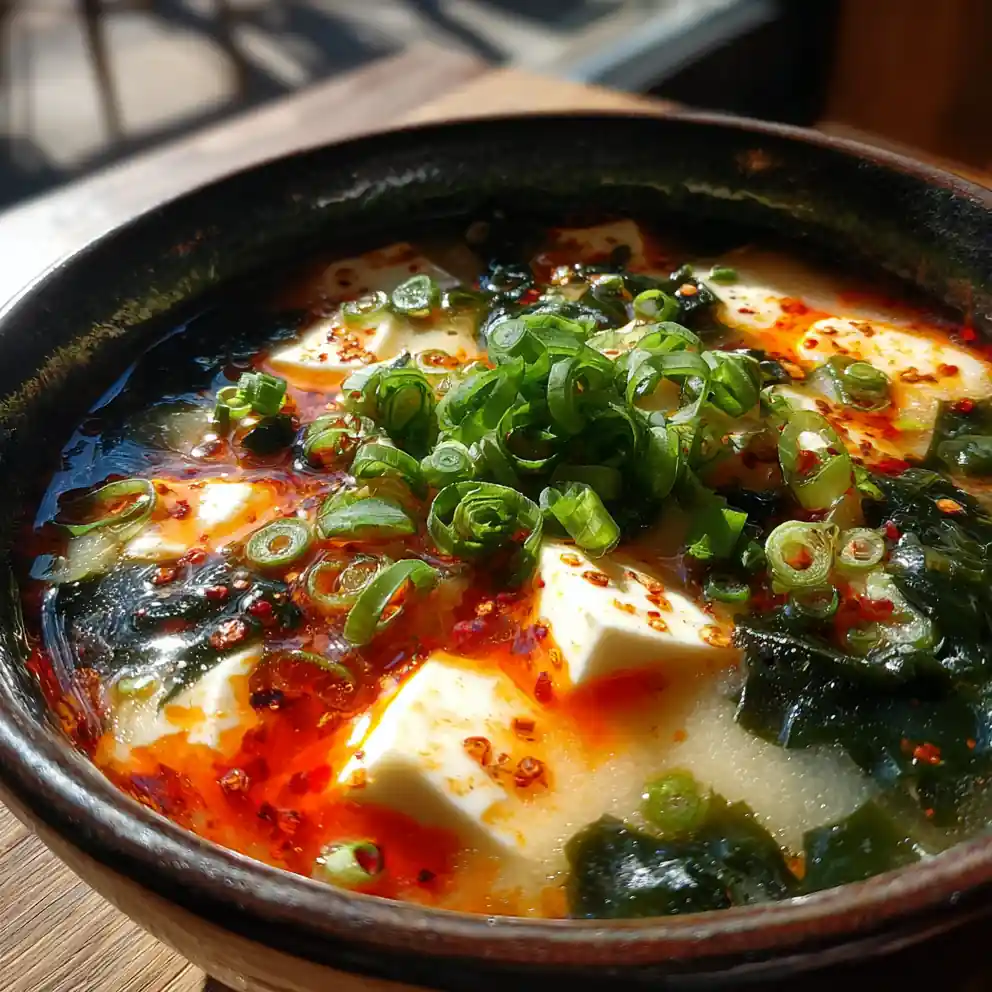
Ditch the bland, lukewarm restaurant versions; this authentic miso soup recipe delivers on deep flavor and satisfying warmth in just minutes. We’re making a rich, traditional dashi base from scratch, but with a simple trick that keeps it fast and easy for weeknights. The secret ingredient? A customizable spicy garlic chili oil swirl that elevates this cozy bowl from simple side dish to the star of your meal. Learn how to achieve that perfect umami balance and enjoy a truly authentic, homemade taste.
Ingredients
- 1.5 liters (6.3 cups) water: The essential base for the dashi; use good quality filtered water for a clean flavor profile.
- 15g (0.5 oz) dried kombu: This dried kelp provides the initial foundation of umami; choose high-quality kombu with white crystals (mannitol) for maximum flavor.
- 3-4 large dried shiitake mushrooms: Adds a rich, earthy depth to the dashi; these should be soaked and simmered to release their full flavor.
- 120g (4.2 oz) white miso paste: The star flavoring agent; white miso (shiro miso) is milder and sweeter, perfect for a balanced, family-friendly soup.
- 300g (10.6 oz) silken tofu: Provides a creamy, soft texture that melts in the mouth; cut into small, neat 1.5 cm (0.6 inch) cubes.
- 5g (0.2 oz) dried wakame seaweed: Adds a fresh ocean flavor and soft, slippery texture when rehydrated; expands significantly when soaked.
- 2 large green onions (scallions): Essential for garnish, providing a fresh, pungent contrast to the savory broth.
- 120 ml (0.5 cup) neutral-flavored oil (e.g., canola or grapeseed oil): The base for the spicy chili oil swirl; avoid strong oils like olive oil, which can overpower the delicate miso flavor.
- 6-8 small dried red chilies, stemmed and roughly broken (or 1 tsp dried chili flakes for milder heat): The source of heat for the chili oil; for a milder flavor, use fewer chilies or substitute with a milder chili flake variety.
- 3 cloves garlic: Thinly sliced fresh garlic for infusing into the oil; provides a fragrant aroma and savory depth.
- 0.5 tsp dried chili flakes (optional): For extra heat and visual appeal in the oil; adjust based on preference.
- Pinch of sugar and pinch of salt: For balancing the flavors in the chili oil swirl; sugar helps round out the spice.
Instructions
- Prepare the Kombu-Shiitake Dashi: Combine water, dried kombu, and shiitake mushrooms in a large pot. Allow to soak for at least 30 minutes (or overnight in the fridge for deeper flavor). Place the pot over medium-low heat and slowly bring it to a gentle simmer, just before boiling. Remove the kombu *just before* the water reaches a full boil (if it boils, the kombu can become bitter). Continue simmering the shiitake for 10-15 minutes, then strain the dashi through a fine-mesh sieve.
I always make extra dashi on Sunday nights and store it in the fridge for quick meals during the week, which makes this entire authentic miso soup recipe process take less than 10 minutes.
- Make the Spicy Garlic Chili Oil Swirl: While the dashi simmers, heat the neutral oil in a small saucepan over medium-low heat. Add the broken dried red chilies, thinly sliced garlic, and optional chili flakes. Fry gently for 5-7 minutes, stirring occasionally, until the garlic turns lightly golden and fragrant. Be careful not to let the garlic burn, as this will result in a bitter taste. Remove from heat and stir in the salt and sugar; allow the chili oil to cool slightly.
- Prepare Soup Components: Rehydrate the dried wakame in a bowl of cold water for 5 minutes until it becomes soft and pliable; drain and gently squeeze out excess water. Cut the silken tofu into neat 1.5 cm (0.6 inch) cubes. Thinly slice the green onions, preparing for garnish.
- Assemble the Miso Soup: Gently reheat the prepared dashi in a clean pot over medium-low heat until warm but *not* boiling. In a separate small bowl, take a ladleful of warm dashi and whisk in the white miso paste until completely dissolved and smooth (this prevents clumps in the soup).
- Combine and Finish: Pour the dissolved miso mixture back into the pot of warm dashi. Add the cubed silken tofu and rehydrated wakame. Heat gently for 2-3 minutes, ensuring the soup is warmed through. Crucially, *do not bring the soup to a boil* after adding the miso, as high heat diminishes its delicate flavor and beneficial properties.
- Serve and Garnish: Ladle the warm soup into individual bowls. Add 1-2 teaspoons of the prepared spicy garlic chili oil swirl to each bowl. Use a spoon to gently swirl the oil into the soup, creating visual appeal and blending the spicy notes. Garnish generously with the fresh green onions. This authentic miso soup recipe is perfect for healthy eating during the week.
The Secret to Amazing Miso Soup: Homemade Dashi
Dashi is the foundation of authentic miso soup. It provides a savory umami base that cannot be replicated with just water or a simple vegetable stock. The traditional preparation method described in this authentic miso soup recipe uses kombu (kelp) and dried shiitake mushrooms to create a rich, savory broth without needing meat. By soaking and gently simmering the ingredients, we extract maximum umami without bitterness, resulting in a clean, complex authentic miso soup flavor profile.
If you’re short on time, you can use high-quality instant dashi granules, but the flavor won’t be as deep or authentic as the traditional method. This scratch-made dashi takes only a few extra minutes but makes all the difference.
Customizing Your Miso Soup with Toppings and Add-ins
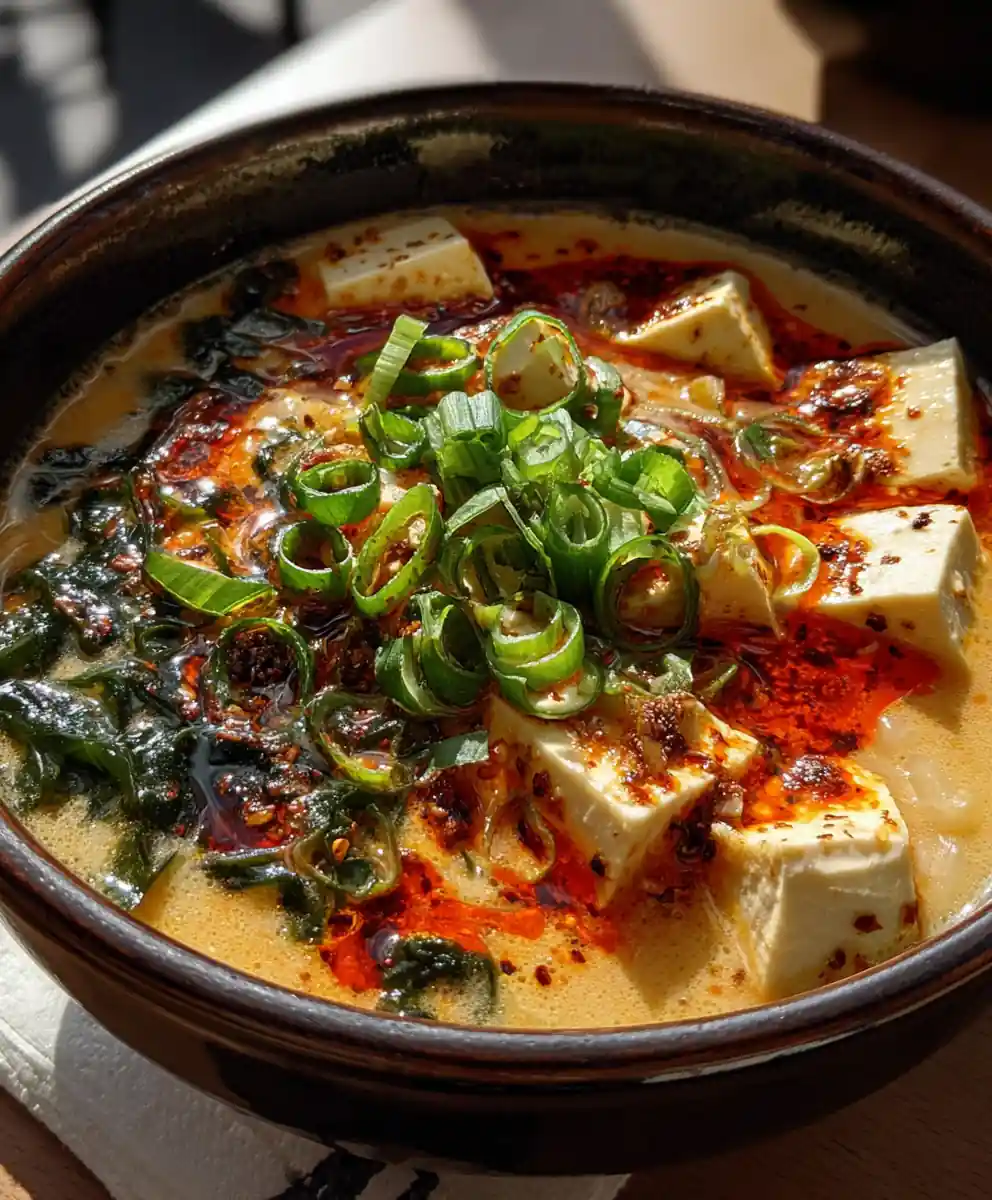
This base authentic miso soup recipe is excellent as a starting point, but customization lets you turn it into a full meal. For extra texture and nutrition, try adding thinly sliced enoki or maitake mushrooms, or baby bok choy during the last minute of cooking. If you want more substantial protein, you can add cooked shredded chicken breast or shrimp in the final step. Other great additions include a soft-boiled egg (ramen style) or a sprinkle of toasted sesame seeds to elevate your authentic miso soup experience.
FAQs
Q: Why can’t I boil miso soup after adding the paste?
Boiling damages the delicate flavor and beneficial probiotics present in the miso paste. It can also cause the soup to become cloudy and lose its light, savory notes. Always rewarm gently on low heat after adding the miso, ensuring it never reaches a boil.
Q: Can I use different types of miso paste, like red miso?
Yes, but red miso (aka miso) is much saltier and has a stronger flavor. If substituting, start with a smaller amount, or use a blend of red and white miso for balance. White miso (shiro miso) is milder and sweeter, which is why it works best for this family-friendly soup.
Q: How long will this authentic miso soup keep in the refrigerator?
Store leftover authentic miso soup in an airtight container for up to 3 days. Reheat gently on the stove over low heat, avoiding a boil. You may notice some separation upon cooling, but a gentle stir will bring it back together.
Q: Can I make this a fully plant-based and vegan recipe?
Yes, this recipe as written is naturally plant-based and vegan as long as you use plant-based dashi ingredients like kombu and shiitake mushrooms. When sourcing instant dashi, ensure it doesn’t contain bonito flakes or other seafood products, which are not vegan.
Q: Can I substitute the silken tofu for firm tofu?
While silken tofu provides the most authentic, soft texture that melts in the mouth, you can use firm tofu cut into very small cubes. However, firm tofu won’t absorb the flavors as easily. I like to press firm tofu first to make it spongier before adding it to the soup.
Q: The chili oil swirl seems complicated; can I skip it?
The chili oil swirl adds a unique layer of savory heat that elevates this specific authentic miso soup recipe, setting it apart from standard versions. However, if you prefer a traditional taste or need a quicker option, you can easily omit it entirely without affecting the base flavor.
Q: My soup looks cloudy or grainy. What did I do wrong?
The miso paste likely clumped together in the hot liquid instead of dissolving smoothly. To fix this, always take a ladleful of warm dashi and whisk the miso paste in a separate small bowl until it forms a smooth slurry before returning it to the main pot.
Conclusion
This authentic miso soup recipe delivers on incredible flavor and warmth for a satisfying, healthy meal. It’s perfect for quick meals or family dinners. Pin this recipe now to save it for later and add it to your weeknight rotation; you’ll love having this cozy bowl ready in minutes.
Print
authentic miso soup recipe
- Total Time: 45 minutes
- Yield: 6 servings
- Diet: Vegetarian
Description
An authentic miso soup recipe featuring a rich homemade dashi base. It includes a customizable spicy garlic chili oil swirl that elevates it beyond a traditional side dish.
Ingredients
- 1.5 liters water
- 15g dried kombu
- 3–4 large dried shiitake mushrooms
- 120g white miso paste
- 300g silken tofu
- 5g dried wakame seaweed
- 2 large green onions (scallions)
- 120 ml neutral-flavored oil (e.g., canola or grapeseed oil)
- 6–8 small dried red chilies, stemmed and roughly broken
- 3 cloves garlic, thinly sliced
- 0.5 tsp dried chili flakes (optional)
- Pinch of sugar
- Pinch of salt
Instructions
- Prepare the Kombu-Shiitake Dashi: Combine water, dried kombu, and shiitake mushrooms in a large pot. Allow to soak for at least 30 minutes. Place the pot over medium-low heat and slowly bring it to a gentle simmer, just before boiling. Remove the kombu just before the water reaches a full boil (if it boils, the kombu can become bitter). Continue simmering the shiitake for 10-15 minutes, then strain the dashi through a fine-mesh sieve.
- Make the Spicy Garlic Chili Oil Swirl: While the dashi simmers, heat the neutral oil in a small saucepan over medium-low heat. Add the broken dried red chilies, thinly sliced garlic, and optional chili flakes. Fry gently for 5-7 minutes, stirring occasionally, until the garlic turns lightly golden and fragrant. Remove from heat and stir in the salt and sugar; allow the chili oil to cool slightly.
- Prepare Soup Components: Rehydrate the dried wakame in a bowl of cold water for 5 minutes until it becomes soft and pliable; drain and gently squeeze out excess water. Cut the silken tofu into neat 1.5 cm cubes. Thinly slice the green onions, preparing for garnish.
- Assemble the Miso Soup: Gently reheat the prepared dashi in a clean pot over medium-low heat until warm but not boiling. In a separate small bowl, take a ladleful of warm dashi and whisk in the white miso paste until completely dissolved and smooth.
- Combine and Finish: Pour the dissolved miso mixture back into the pot of warm dashi. Add the cubed silken tofu and rehydrated wakame. Heat gently for 2-3 minutes, ensuring the soup is warmed through. Do not bring the soup to a boil after adding the miso.
- Serve and Garnish: Ladle the warm soup into individual bowls. Add 1-2 teaspoons of the prepared spicy garlic chili oil swirl to each bowl. Swirl gently and garnish generously with the fresh green onions.
Notes
To save time, make extra dashi on a Sunday night and store it in the fridge for quick meals during the week. Avoid boiling the dashi after adding the kombu or after adding the miso paste, as high heat diminishes the flavor and beneficial properties.
- Prep Time: 30 minutes
- Cook Time: 15 minutes
- Category: Soup
- Method: Simmering
- Cuisine: Japanese
Nutrition
- Serving Size: 1 cup (240 ml)
- Calories: 250 calories
- Sugar: 2 g
- Sodium: 700 mg
- Fat: 18 g
- Saturated Fat: 2 g
- Unsaturated Fat: 16 g
- Trans Fat: 0 g
- Carbohydrates: 6 g
- Fiber: 1 g
- Protein: 7 g
- Cholesterol: 0 mg
FREE PRINTABLE RECIPE
Get the Printable Recipe PDF (Free)
Enter your email and we’ll send you the ingredients + step-by-step instructions as a clean PDF you can save to your phone.
- ✅ Printable PDF (ingredients + steps)
- ✅ Save it to your phone (no long scrolling)
- ✅ Includes cook time + servings
- ✅ Easy to follow
FAQ
Where’s the full recipe?
It’s delivered as a printable PDF so you can save it and cook without scrolling.
I didn’t get the email.
Check Spam/Promotions and search your inbox for your site name. Then click Confirm to receive the PDF.