
This classic slow-cooker chili is the ultimate comfort food for busy families who need a nourishing, flavorful meal without constant kitchen supervision. By combining lean ground beef, a robust trio of beans, and a carefully balanced blend of aromatic spices, this recipe creates a deep, satisfying flavor profile that continues to improve as it simmers. Whether you are planning for a weekend game day or a simple Tuesday evening dinner, this set-it-and-forget-it approach ensures a rich and filling result that everyone will enjoy.
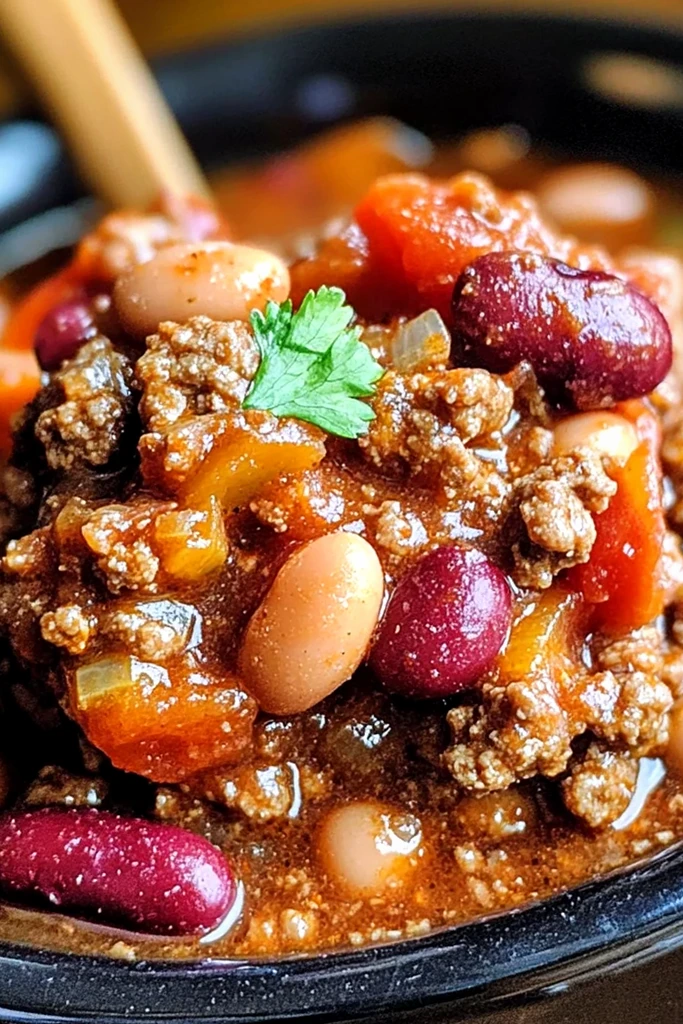
List of ingredients
- 1 pound lean ground beef
- 1 medium yellow onion, diced
- 1 red bell pepper, chopped
- 30 ounces kidney beans, drained
- 15 ounces pinto beans, drained
- 29 ounces diced tomatoes
- 3 ounces tomato paste
- 1 cup beef broth
- 2 tablespoons chili powder
- 1 teaspoon ground cumin
- 1 teaspoon smoked paprika
- 1/4 teaspoon cayenne pepper
- 1/2 teaspoon salt
- 1/2 teaspoon ground black pepper
- 1 tablespoon brown sugar or granulated sugar
step-by-step instructions
- Step: In a large skillet over medium heat, brown the ground beef until mostly cooked.
- Step: Add diced onion and chopped bell pepper; sauté until the onion is translucent.
- Step: Transfer the mixture into a slow cooker.
- Step: Stir in kidney beans, pinto beans, diced tomatoes with juice, tomato paste, and beef broth.
- Step: Season with chili powder, cumin, smoked paprika, cayenne pepper, salt, and black pepper; mix well.
- Step: Cover and cook on low for 4 to 6 hours or on high for 2 to 3 hours.
- Step: Serve hot with your choice of toppings like cheese or green onions.
Refining your slow-cooker techniques
Why browning the meat is non-negotiable
Many home cooks are tempted to dump raw meat into the slow cooker to save time, but browning the beef in a skillet before adding it to the pot provides a significant flavor boost. The process of searing meat creates a Maillard reaction, which develops complex, savory flavors that are impossible to achieve when the meat is simply boiled in the liquid. Additionally, draining the excess rendered fat at this stage prevents the surface of your finished chili from becoming oily or greasy.
The importance of properly rinsing canned beans
Rinsing your kidney and pinto beans under cool running water until the liquid runs clear serves two primary purposes. It removes the metallic taste often associated with canned storage liquid and significantly reduces the amount of excess starch entering your chili. By eliminating that starchy brine, you retain full control over the thickness of your chili sauce, preventing it from becoming cloudy or excessively gummy as it simmers.
Balancing the acidity with sweetness
The addition of a single tablespoon of brown or white sugar is a secret ingredient used by many professional chefs to balance the natural acidity found in canned tomatoes. Tomatoes possess a sharp, tangy bite that can sometimes overwhelm the subtle earthy notes of the cumin and smoked paprika. A small amount of sugar acts as a mellowing agent, rounding out the profile and highlighting the natural richness of the ground beef and beans without making the dish taste like dessert.
Customizing your chili with fresh flavors
Adding heat for a bolder experience
If you prefer a fiery bowl of chili, you can easily increase the heat index without sacrificing the flavor balance. Adding fresh jalapeños, seeds removed, during the sauté step with your onions will infuse the entire pot with a cleaner, brighter heat than dried cayenne pepper alone. Alternatively, you can finish each bowl with a few dashes of a vinegar-based hot sauce, which provides an extra kick that complements the deep, smoky undertones of the stew.
Texture variations and ingredient additions
While this recipe remains a classic, adding diced zucchini or finely chopped carrots during the last hour of cooking introduces a pleasant, tender texture and a subtle vegetal sweetness. If you want to increase the heartiness of the dish, adding a cup of cooked brown rice or quinoa just before serving transforms the chili into an even more substantial meal. These additions absorb the flavorful liquid, making every bite more complex and satisfying for a hungry family.
Enhancing the smoky flavor profile
For those who love a rustic, campfire-cooked flavor, consider incorporating a small amount of smoked salt or an extra pinch of smoked paprika. The depth of the flavor is heavily reliant on these warm spices, and slightly increasing the quantity of smoked paprika will accentuate the hearty nature of the beef. Avoid using liquid smoke, as it can be overpowering; instead, rely on high-quality spices to build the intensity of the dish gradually over the slow-cooking time.
Serving strategies for every occasion
The art of the topping bar
Setting up a self-service topping bar is an excellent way to accommodate different preferences when feeding a crowd. Offer bowls of shredded cheddar or Monterey Jack cheese, cool sour cream, sliced scallions, and freshly chopped cilantro. Providing options like pickled jalapeño slices or lime wedges allows your guests to adjust the brightness and acidity of their bowl according to their individual tastes. Crunchy elements like corn tortilla strips also provide a necessary textural contrast to the dense, stew-like consistency of the chili.
Pairing with complementary sides
Serving chili alongside a piece of warm cornbread is a timeless pairing that adds a touch of sweetness and a soft, crumbly texture. If you prefer a starch-heavy side, serving the chili over a fluffy baked potato creates a complete meal that feels indulgent and comforting. For a lighter approach, a simple side salad tossed in a vinaigrette made from apple cider vinegar and olive oil provides a refreshing acidity that cleanses the palate between rich, spicy bites of the chili.
Managing leftovers and storage
Refrigeration and flavor development
Chili is famous for being even better on the second day, as the flavors have more time to meld and harmonize in the refrigerator. Store your leftovers in an airtight glass container to prevent the absorption of odors from other foods in your fridge. Properly sealed, the chili will maintain its peak quality for up to four days. Always ensure you cool the chili to room temperature before placing it into the refrigerator to prevent condensation from forming inside the lid.
Freezing for future quick meals
This recipe is perfectly suited for batch cooking and freezing. To freeze, allow the chili to cool completely, then ladle it into freezer-safe heavy-duty plastic bags, pressing out as much air as possible to prevent freezer burn. Alternatively, use individual freezer containers for single-portion meals. When stored at zero degrees Fahrenheit, the chili will remain high-quality for up to three months. To thaw, move the bag to the refrigerator overnight before reheating.
Answers to frequently asked questions
Question: How can I thicken my chili if it seems too thin?
If you find that your chili is thinner than you prefer after the cooking time, you can remove the lid for the final thirty minutes of cooking to allow some of the liquid to evaporate. Alternatively, take one cup of the bean and tomato mixture out of the pot, mash it with a fork until it creates a thick paste, and stir it back into the pot. This thickens the sauce significantly without changing the flavor profile of the dish.
Question: Can I use different types of beans in this recipe?
Yes, you can swap the kidney and pinto beans for black beans, great northern beans, or even chickpeas depending on what you have in your pantry. Each variety of bean brings a slightly different texture and flavor, though the hearty nature of the chili remains consistent. Just ensure that whichever beans you choose are thoroughly rinsed and drained to maintain the integrity of the sauce and avoid excess saltiness.
Question: Why does the chili taste different the next day?
The flavor transformation occurs because the spices, particularly the cumin and chili powder, have more time to hydrate and release their essential oils into the broth as the dish sits. Furthermore, the ingredients settle into the liquid, allowing the starches from the beans to naturally thicken the sauce even further. This resting period is essential for deep flavor integration, which is why chili is consistently identified as a superior leftover meal.
Question: Is it necessary to use beef broth, or can I use water?
While you can technically use water, beef broth is strongly recommended because it provides a foundational depth of flavor that water cannot match. The broth contains proteins and seasonings that build a savory profile for the stew, whereas water will dilute the intensity of your spice blend. If you find yourself without beef broth, a mixture of water and a small amount of high-quality vegetable base or bouillon paste is a superior substitute to plain tap water.
Print
Classic Hearty Slow-Cooker Chili
- Total Time: 6 hours 15 minutes
- Yield: 6 servings
- Diet: High Protein
Description
Warm up your evenings with this comforting Crockpot Chili Recipe, perfect for chilly weather and family gatherings. This hearty dish combines lean ground beef with a medley of beans and vibrant vegetables, simmered slowly to create a rich and satisfying flavor profile.
Ingredients
- 1 pound lean ground beef
- 1 medium yellow onion, diced
- 1 red bell pepper, chopped
- 30 ounces kidney beans, drained
- 15 ounces pinto beans, drained
- 29 ounces diced tomatoes
- 3 ounces tomato paste
- 1 cup beef broth
- 2 tablespoons chili powder
- 1 teaspoon ground cumin
- 1 teaspoon smoked paprika
- 1/4 teaspoon cayenne pepper
- 1/2 teaspoon salt
- 1/2 teaspoon ground black pepper
- 1 tablespoon brown sugar or granulated sugar
Instructions
- Step: In a large skillet over medium heat, brown the ground beef until mostly cooked.
- Step: Add diced onion and chopped bell pepper; sauté until the onion is translucent.
- Step: Transfer the mixture into a slow cooker.
- Step: Stir in kidney beans, pinto beans, diced tomatoes with juice, tomato paste, and beef broth.
- Step: Season with chili powder, cumin, smoked paprika, cayenne pepper, salt, and black pepper; mix well.
- Step: Cover and cook on low for 4 to 6 hours or on high for 2 to 3 hours.
- Step: Serve hot with your choice of toppings like cheese or green onions.
Notes
Leftover chili can be stored in an airtight container in the refrigerator for up to 5 days or frozen for up to 3 months.
- Prep Time: 15 minutes
- Cook Time: 6 hours
- Category: Main
- Method: Slow Cooking
- Cuisine: American
Nutrition
- Serving Size: 1 cup
- Calories: 250 kcal
- Sugar: 4g
- Sodium: 580mg
- Fat: 10g
- Saturated Fat: 4g
- Unsaturated Fat: 5g
- Trans Fat: 0g
- Carbohydrates: 27g
- Fiber: 8g
- Protein: 18g
- Cholesterol: 60mg