
I absolutely adore the scent of fresh bread baking, especially when it’s this incredibly tender condensed milk bread recipe. Its signature soft crumb and subtle sweetness fill the kitchen with warmth. This easy condensed milk bread recipe is your ticket to unbelievably soft, sweet loaves that will become an instant family favorite. Perfect for bustling weeknight dinners, lazy Sunday breakfasts, or as a wholesome addition to school lunchboxes. It’s a beloved classic that brings warmth and joy to any kitchen, making baking simple and rewarding. Here, you’ll learn how to whip up this irresistible bread with minimal fuss, ensuring delicious results every time.
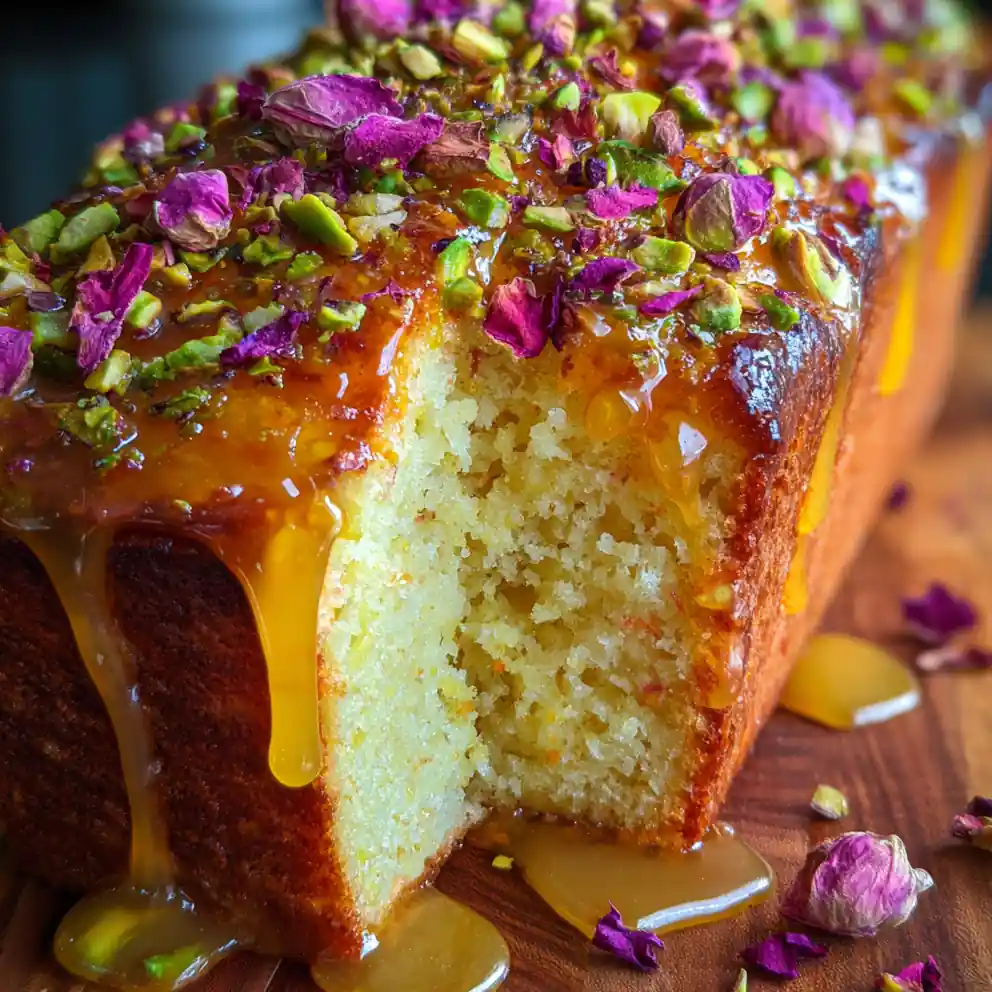
Ingredient Highlights and Smart Alternatives
Essential ingredients for your best condensed milk bread recipe:
- Bread Flour: 500g (4 cups). This provides the essential structure and chewiness for your loaf.
- Granulated Sugar: 50g (1/4 cup). It sweetens the bread subtly and helps activate the yeast.
- Instant Dry Yeast: 7g (2 1/4 tsp). Crucial for a good, airy rise. Always ensure your yeast is fresh.
- Fine Sea Salt: 5g (1 tsp). This balances the sweetness and enhances the overall flavor profile.
- Whole Milk: 180ml (3/4 cup), warmed to 40°C (105°F). It hydrates the dough and aids yeast activation. (Dairy-free milk like almond or oat works too for a plant-based option.)
- Saffron Threads: 0.1g (approx. 20-30 threads), divided. These add a delicate aroma and a beautiful golden hue.
- Ground Green Cardamom: 2.5g (1 1/4 tsp), divided. This infuses the bread with warm, aromatic spice.
- Large Egg: 1, at room temperature. It contributes richness, color, and helps with dough structure.
- Condensed Milk: 60ml (1/4 cup) for the dough, plus 60ml (1/4 cup) warmed for brushing. This is key for the bread’s unique sweetness, moisture, and tender crumb.
- Unsalted Butter: 50g (3 1/2 tbsp), softened. Adds richness and ensures a truly tender texture. (Salted butter can be used; just reduce the added fine sea salt by 1/4 teaspoon.)
Premium choices: Opt for organic unbleached bread flour for superior taste and texture in your baking. Grass-fed butter can offer a richer, more complex flavor profile. For dairy, choose full-fat whole milk for the best richness in your family-friendly loaf.
Dietary swaps: For plant-based needs, use vegan condensed milk and plant-based butter alternatives. For a slightly denser, more rustic loaf, you can try substituting up to 50% whole wheat flour, though you might need a tiny bit more liquid for hydration.
Choosing quality: Always ensure your instant dry yeast is fresh and active for a reliable rise and light texture. Use a good quality, full-fat sweetened condensed milk for the best tenderness and signature flavor in your homemade condensed milk bread.
Easy Step-by-Step Method
Here’s how to achieve a perfect, tender condensed milk bread recipe:
- Steep Saffron: In a small bowl, steep 0.1g of saffron threads in 180ml (3/4 cup) of warmed whole milk for at least 10 minutes. The milk will beautifully turn a rich golden color, indicating it’s ready.
- Combine Dry & Wet Ingredients: In the bowl of a stand mixer fitted with the dough hook, combine 500g bread flour, 50g granulated sugar, 7g instant dry yeast, 5g fine sea salt, and 2g ground green cardamom. Mix on low speed to combine thoroughly. Add the saffron-infused milk, 1 large egg, and 60ml (1/4 cup) condensed milk. Continue mixing on low speed until a shaggy dough forms, taking about 2-3 minutes.
- Knead Dough & Incorporate Butter: Increase the mixer speed to medium-low and knead for 5 minutes until the dough starts to smooth. Add 50g softened unsalted butter, one tablespoon at a time, ensuring each addition is fully incorporated before adding more. Continue kneading for another 10-15 minutes, or until the dough is smooth, elastic, and passes the windowpane test, feeling soft and pliable. If your dough feels too sticky after kneading, add a teaspoon of flour at a time until it’s manageable but still soft.
- First Rise: Lightly grease a large bowl. Transfer the dough to the bowl, turning once to coat all sides. Cover with plastic wrap or a clean kitchen towel and let rise in a warm place for 1 to 1.5 hours, or until it has noticeably doubled in size. I often let my dough rise in the oven with just the light on; it creates a perfectly cozy spot for a good, even proof.
- Shape Loaves: Gently punch down the risen dough to release the air. Transfer it to a lightly floured surface and divide it into 3 equal pieces. Roll each piece into a log approximately 25cm (10 inches) long. Arrange the three logs side-by-side in a lightly greased 23×13 cm (9×5 inch) loaf pan, ensuring they fit snugly.
- Second Rise: Cover the loaf pan loosely with plastic wrap or a kitchen towel and let rise in a warm place for another 30-45 minutes. The dough should nearly double again and rise gracefully above the rim of the pan, looking puffy and light.
- Bake & Brush: Preheat your oven to 175°C (350°F). Bake the bread for 25-30 minutes, or until deeply golden brown on top and the internal temperature registers 88-93°C (190-200°F). Immediately upon removing the bread from the oven, brush the top generously with 60ml (1/4 cup) of warmed condensed milk for an extra soft crust and sweet finish. Let the bread cool in the pan for 10 minutes before carefully transferring it to a wire rack to cool completely.
Shortcut secrets: Using a stand mixer with a dough hook makes kneading this rich, soft dough effortless and saves your arms. Instant yeast, as used in this condensed milk bread recipe, eliminates the need for initial activation, which significantly speeds up your overall prep time.
Troubleshooting common issues: If your dough is not rising for your condensed milk bread, double-check your yeast freshness and ensure your milk was warmed to the correct temperature (too hot or too cold can inhibit yeast). A warm, draft-free spot is crucial for proper proofing. If the finished bread feels too dense, it might have been over-kneaded (developing too much gluten) or under-proofed. Aim for a soft, springy dough before baking. If your crust starts to get too dark during baking, you can loosely cover it with aluminum foil about halfway through to prevent over-browning.
Best Ways to Serve and Enjoy
This homemade condensed milk bread recipe offers incredible versatility for any meal. It’s a fantastic foundation for quick meals, enhancing weeknight dinners, breakfasts, or even family gatherings.
- Ideal occasions for your homemade condensed milk bread recipe:
- Weeknight dinners: A comforting side or sandwich base.
- Breakfast and brunch: Perfect for toast, French toast, or simply with coffee.
- Family gatherings: A crowd-pleasing addition to any spread.
- Meal prep: Bake a few loaves for the week ahead to simplify busy schedules.
- Serving suggestions:
- Slathered with butter and jam for breakfast or a sweet snack.
- Toasted with cream cheese or avocado for a simple, nourishing bite.
- Fantastic for savory sandwiches with sliced chicken or cheese.
- Dip into coffee or hot chocolate for a delightful treat.
- Storage and reheating: Store cooled bread in an airtight container at room temperature for up to 3-4 days. For longer storage, slice and freeze in a freezer-safe bag for up to 3 months. Reheat slices in a toaster or whole loaves wrapped in foil in the oven at 300°F (150°C) for 10-15 minutes for a ‘fresh baked’ feel.
Everyday Benefits of Making Condensed Milk Bread
This easy condensed milk bread recipe seamlessly fits into busy family life, offering delicious, wholesome options.
- Easy family meals: Provides a delicious, wholesome foundation for countless meals and snacks, loved by kids and adults alike, making healthy eating simple.
- Quick protein snacks: Pair a slice with peanut butter, cheese, or eggs for a satisfying, energy-boosting bite on the go.
- Best comfort food: Nothing beats the warm, sweet aroma and tender bite of homemade bread, offering instant comfort after a long day.
- Healthy recipes for dinner: When made with quality ingredients, it’s a better-for-you alternative to many processed breads, supporting a balanced diet and overall wellness.
Nutrition, Diet, and Lifestyle Notes
Making this condensed milk bread recipe at home gives you control over ingredients, allowing for various dietary adjustments.
- Health benefits: This bread provides balanced energy from carbohydrates. It can be a good source of calcium (from condensed milk) and B vitamins (from flour). It offers satisfying homemade goodness, avoiding preservatives found in commercial breads.
- Dietary adjustments:
- Gluten-free: Use a 1:1 gluten-free flour blend, though texture may vary slightly, creating a slightly denser loaf.
- Dairy-free: Swap the regular sweetened condensed milk for a sweetened coconut milk condensed milk and use plant-based butter.
- Reduced sugar: While condensed milk is sweet, you can slightly reduce any additional sugar in the recipe or use a sugar-free condensed milk alternative if available.
- Allergy-friendly swaps: For nut allergies, ensure any butter substitutes you choose are nut-free. For soy allergies, select a soy-free vegan butter if applicable.
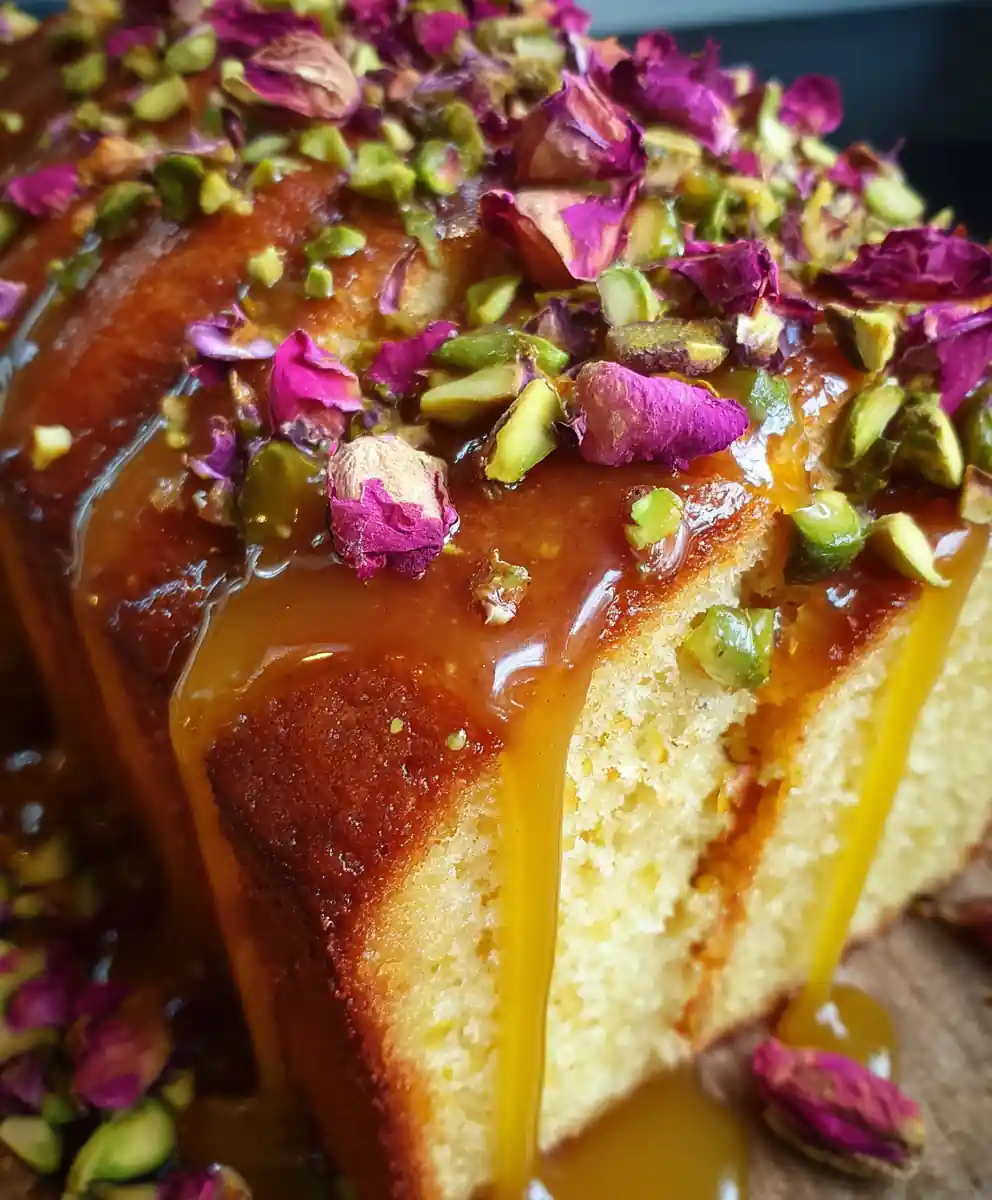
Cooking Tips, Flavor Boosts, and Variations
Elevate your condensed milk bread recipe with these practical tips and creative variations.
- Advanced techniques: For a softer crust, add a pan of water to the bottom of your oven during baking. For extra shine and flavor, brush your baked loaf with melted butter immediately after it comes out of the oven.
- Flavor twists: Add a teaspoon of vanilla extract or a pinch of ground cardamom to the dough for an aromatic bread. Orange or lemon zest can also add a bright, refreshing note to the rich sweetness.
- Smart storage hacks: Once cooled, I find it’s best to slice the entire loaf and freeze slices individually. This way, you can grab just what you need for a quick snack or meal, reducing waste and keeping bread fresh longer.
- Recipe variations:
- Cinnamon Swirl Bread: Roll out dough, spread with a cinnamon-sugar mixture, then roll up before the second rise.
- Raisin Bread: Fold in 1/2 cup of raisins during the last minute of kneading the dough.
- Mini Loaves: Divide dough into smaller portions and bake in mini loaf pans, adjusting baking time down to 18-22 minutes.
FAQs
Q: Can condensed milk bread be part of a weekly meal prep plan?
A: Absolutely! Bake a batch or two on the weekend, let them cool completely, then slice and store in the freezer. Thaw slices as needed for quick breakfasts or sandwiches throughout the week, making it a perfect addition to healthy meal prep recipes.
Q: What are the best ingredients to buy for condensed milk bread?
A: For the best results in your condensed milk bread recipe, opt for good quality all-purpose flour, fresh active dry or instant yeast, and a reputable brand of sweetened condensed milk. High-quality butter also makes a noticeable difference in richness and texture.
Q: Is condensed milk bread suitable for gluten-free or low-carb diets?
A: This specific condensed milk bread recipe is not suitable for a low-carb diet due to its flour and sugar content. For gluten-free, you can experiment with a 1:1 gluten-free flour blend as a direct swap for the all-purpose flour, but be aware the texture will differ, often resulting in a slightly denser loaf.
Q: How long does homemade condensed milk bread stay fresh?
A: When stored properly in an airtight container at room temperature, your homemade condensed milk bread will stay wonderfully fresh and soft for about 3-4 days. It can also be frozen for up to 3 months, offering a convenient option for quick meals.
Q: Can I use active dry yeast instead of instant yeast for this condensed milk bread recipe?
A: Yes, you certainly can. You’ll just need to activate the active dry yeast first in warm liquid (usually milk or water from the recipe) with a pinch of sugar for about 5-10 minutes until it becomes foamy before adding it to the rest of your ingredients. This ensures your condensed milk bread gets a good rise.
Q: What makes condensed milk bread so soft and fluffy?
A: The sweetened condensed milk is the secret ingredient! Its high sugar and milk solids content contributes to a very tender crumb, inhibits gluten development slightly, and helps retain moisture in the dough. This combination results in that signature incredibly soft and fluffy texture that makes this condensed milk bread recipe so beloved.
Conclusion
From simple pantry staples, you’ve now mastered a delightful condensed milk bread recipe that’s sure to bring smiles to your family’s faces and fill your home with an irresistible aroma. This truly is an easy family-friendly staple for quick meals and healthy eating. Don’t wait – add these ingredients to your next grocery list, bake a loaf this weekend, and share the joy of homemade goodness! Be sure to save this condensed milk bread recipe on Pinterest so you can find it easily whenever the craving strikes.
Print
condensed milk bread recipe
- Total Time: 210 minutes
- Yield: 1 loaf (approx. 12 slices)
- Diet: General
Description
This recipe creates an incredibly tender condensed milk bread with a soft crumb and subtle sweetness, filling the kitchen with warmth. It’s an easy-to-make loaf, perfect for weeknight dinners, Sunday breakfasts, or lunchboxes, bringing joy and making baking simple.
Ingredients
- 500 g bread flour
- 50 g granulated sugar
- 7 g instant dry yeast
- 5 g fine sea salt
- 180 ml whole milk, warmed to 40°C (105°F) (or dairy-free milk like almond or oat)
- 0.1 g saffron threads, divided (approx. 20–30 threads)
- 2.5 g ground green cardamom, divided
- 1 large egg, at room temperature
- 60 ml condensed milk, for the dough
- 50 g unsalted butter, softened (or plant-based butter; reduce added fine sea salt by 0.25 teaspoon if using salted butter)
- 60 ml condensed milk, warmed, for brushing
Instructions
- Steep Saffron: In a small bowl, steep 0.1 g of saffron threads in 180 ml (0.75 cup) of warmed whole milk for at least 10 minutes until the milk turns a rich golden color.
- Combine Dry & Wet Ingredients: In the bowl of a stand mixer fitted with the dough hook, combine 500 g bread flour, 50 g granulated sugar, 7 g instant dry yeast, 5 g fine sea salt, and 2 g ground green cardamom. Mix on low speed to combine. Add the saffron-infused milk, 1 large egg, and 60 ml (0.25 cup) condensed milk (for the dough). Continue mixing on low speed for 2-3 minutes until a shaggy dough forms.
- Knead Dough & Incorporate Butter: Increase the mixer speed to medium-low and knead for 5 minutes until the dough starts to smooth. Add 50 g softened unsalted butter, one tablespoon at a time, ensuring each addition is fully incorporated. Continue kneading for another 10-15 minutes, or until the dough is smooth, elastic, soft, and passes the windowpane test. (If your dough feels too sticky, add a teaspoon of flour at a time until it is manageable but still soft.)
- First Rise: Lightly grease a large bowl. Transfer the dough to the bowl, turning once to coat all sides. Cover with plastic wrap or a clean kitchen towel and let rise in a warm place (such as an oven with just the light on) for 1 to 1.5 hours, or until it has doubled in size.
- Shape Loaves: Gently punch down the risen dough to release the air. Transfer it to a lightly floured surface and divide it into 3 equal pieces. Roll each piece into a log approximately 25 cm (10 inches) long. Arrange the three logs side-by-side in a lightly greased 23×13 cm (9×5 inch) loaf pan, ensuring they fit snugly.
- Second Rise: Cover the loaf pan loosely with plastic wrap or a kitchen towel and let rise in a warm place for another 30-45 minutes. The dough should nearly double again and rise gracefully above the rim of the pan, looking puffy and light.
- Bake & Brush: Preheat your oven to 175°C (350°F). Bake the bread for 25-30 minutes, or until deeply golden brown on top and the internal temperature registers 88-93°C (190-200°F). Immediately upon removing the bread from the oven, brush the top generously with 60 ml (0.25 cup) of warmed condensed milk for an extra soft crust and sweet finish. Let the bread cool in the pan for 10 minutes before carefully transferring it to a wire rack to cool completely.
Notes
For plant-based needs, use vegan condensed milk and plant-based butter alternatives. To prevent over-browning, loosely cover the crust with aluminum foil halfway through baking if needed. Ensure yeast is fresh and milk is warmed to the correct temperature for proper rising. Using a stand mixer with a dough hook makes kneading this rich dough effortless.
- Prep Time: 45 minutes
- Cook Time: 30 minutes
- Category: Bread
- Method: Baking
- Cuisine: General
Nutrition
- Serving Size: 1 slice (70 g)
- Calories: 300 calories
- Sugar: 20 g
- Sodium: 250 mg
- Fat: 12 g
- Saturated Fat: 7 g
- Unsaturated Fat: 4 g
- Trans Fat: 0 g
- Carbohydrates: 45 g
- Fiber: 1 g
- Protein: 8 g
- Cholesterol: 40 mg
FREE PRINTABLE RECIPE
Get the Printable Recipe PDF (Free)
Enter your email and we’ll send you the ingredients + step-by-step instructions as a clean PDF you can save to your phone.
- ✅ Printable PDF (ingredients + steps)
- ✅ Save it to your phone (no long scrolling)
- ✅ Includes cook time + servings
- ✅ Easy to follow
FAQ
Where’s the full recipe?
It’s delivered as a printable PDF so you can save it and cook without scrolling.
I didn’t get the email.
Check Spam/Promotions and search your inbox for your site name. Then click Confirm to receive the PDF.