
This classic Southern dessert combines juicy peaches with a buttery, cake-like crust that bubbles up during baking. It is a simple recipe that works perfectly for summer gatherings or family dinners.
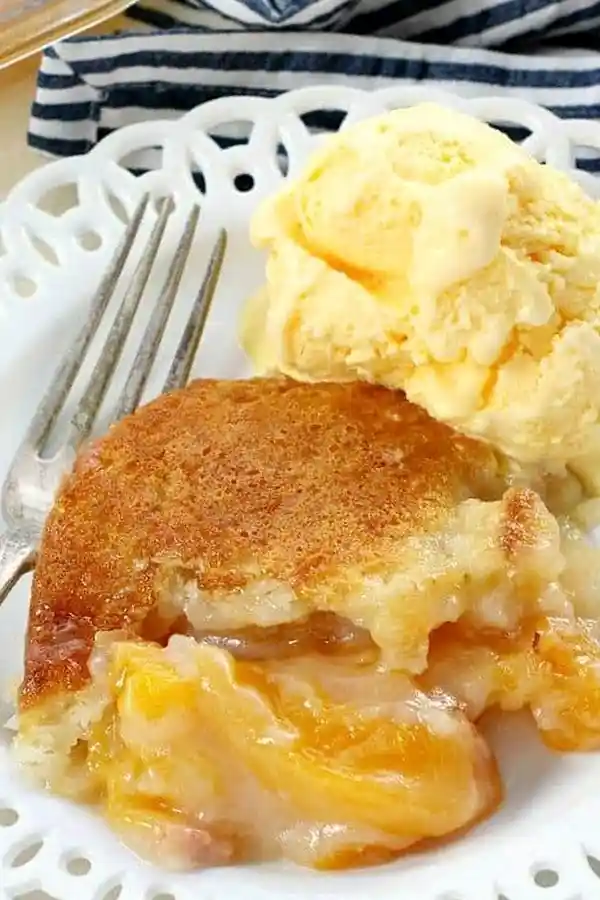
List of ingredients
- 1/2 cup butter (1 stick) – used to create the buttery base.
- 1 cup all-purpose flour – provides the structure for the crust.
- 2 cups granulated sugar, divided – 1 cup for the batter and 1 cup for the fruit.
- 1 tablespoon baking powder – helps the batter rise and become fluffy.
- 1/8 teaspoon salt – balances the sweetness of the peaches and sugar.
- 1 cup milk – moistens the batter for a smooth consistency.
- 4 cups fresh peach slices – the primary fruit component for the filling.
- 1 tablespoon fresh lemon juice – adds acidity to brighten the peach flavor.
- Ground cinnamon (optional) – for an added warm spice on top.
- Ice cream or whipped cream (optional) – for serving as a topping.
step-by-step instructions
- Preheat and Prepare: Preheat your oven to 375°F. Place the stick of butter in a 13×9-inch baking dish and put it in the oven for about 5 minutes until fully melted, then remove it and set it aside.
- Mix the Batter: In a large mixing bowl, stir together the flour, 1 cup of the granulated sugar, baking powder, and salt. Pour in the milk and stir just until the dry ingredients are moistened; do not overmix.
- Layer the Batter: Pour the prepared batter directly over the melted butter in the baking dish. It is important that you do NOT stir the layers.
- Prepare the Fruit: In a separate large bowl, combine the remaining 1 cup of sugar, the fresh peach slices, and the lemon juice. Mix these ingredients well to ensure the peaches are evenly coated.
- Layer the Peaches: Pour the peach mixture over the top of the batter in the baking dish. Again, do NOT stir the ingredients together. If you like cinnamon, sprinkle a bit over the top now.
- Bake: Place the dish in the oven and bake for 40-45 minutes. The cobbler is done when the crust has risen and turned a golden brown color.
- Serve: Allow the cobbler to cool slightly. Serve it while warm or at room temperature, topped with ice cream or whipped cream if desired.
Selecting the Best Peaches for Your Cobbler
Choose Ripe Freestone Peaches
When shopping for fresh peaches, look for fruit that gives slightly when pressed gently near the stem. Freestone peaches are preferred for this recipe because the pit releases easily, making it faster to slice the fruit into uniform pieces.
Ensure Uniform Slicing
Cut your peaches into slices of approximately 1/2 inch thickness. Uniform slices ensure that the fruit cooks evenly and that the batter can bubble up through the gaps consistently during the baking process.
Avoid Overly Mushy Fruit
While ripe peaches are necessary, avoid fruit that is bruised or overly soft. Peaches that are too soft will release too much moisture, which can lead to a soggy crust and a less defined texture in the final dish.
Using Alternative Fruit Options
Drain Frozen Peaches Thoroughly
If fresh peaches are unavailable, thawed frozen peaches are a great substitute. Place the thawed slices in a colander over a bowl to drain all excess liquid, as too much water will prevent the batter from rising correctly.
Handle Canned Peaches with Care
Canned peaches should be used as a last resort. Drain them well and rinse them slightly to remove excess heavy syrup, which can make the cobbler overly sweet and alter the consistency of the fruit layer.
Adding Mixed Stone Fruits
You can substitute a portion of the peaches with sliced nectarines or apricots. These fruits have similar moisture levels and flavor profiles, allowing them to bake at the same rate as the peaches.
Optimizing the Batter and Crust
Maintain the No-Stir Rule
The most critical part of this recipe is avoiding the urge to stir the batter and fruit together. The batter must stay underneath the peaches so it can rise through the fruit, creating the signature “bubble up” effect.
Avoid Overmixing the Batter
Stir the milk into the flour mixture only until combined. Overmixing develops too much gluten, which can result in a tough, bread-like crust rather than a tender, cake-like topping.
Ensure Proper Baking Powder Freshness
Check the expiration date of your baking powder before starting. Since this recipe relies on a chemical leavener to lift the batter through the heavy fruit layer, fresh baking powder is essential for a successful rise.
Customizing Flavor and Texture
Incorporate Warm Spices
While cinnamon is the traditional choice, a pinch of ground nutmeg or ginger added to the fruit mixture can add depth. Use these sparingly so they do not overpower the natural sweetness of the peaches.
Adjusting the Sweetness
If your peaches are exceptionally sweet, you can reduce the sugar in the fruit mixture by two tablespoons. This allows the tartness of the lemon juice to stand out more, providing a better flavor balance.
Adding Vanilla Extract to the Batter
Adding one teaspoon of pure vanilla extract to the milk before mixing it into the flour adds a rich, aromatic quality. This complements the buttery flavor of the crust and the sweetness of the peaches.
Baking and Oven Management
Use the Middle Oven Rack
Bake the cobbler on the center rack of the oven. This ensures that the heat is distributed evenly, allowing the bottom to set while the top browns without burning.
Monitoring the Golden Brown Color
Start checking the cobbler at the 40-minute mark. Different ovens vary in temperature; the goal is a deep golden brown crust, which indicates the batter is fully cooked and the fruit has thickened.
Dealing with Uneven Browning
If the edges are browning too quickly while the center remains pale, rotate the pan 180 degrees halfway through the baking time. This helps the heat reach all areas of the dish equally.
Serving and Pairing Suggestions
Pairing with Vanilla Bean Ice Cream
A scoop of cold vanilla bean ice cream creates a temperature contrast with the warm cobbler. The melting ice cream acts as a creamy sauce that blends with the peach juices.
Using Freshly Whipped Cream
For a lighter option, top each slice with a dollop of homemade whipped cream. Adding a small amount of powdered sugar to the cream helps it hold its shape and complements the fruit.
Serving at Room Temperature
While typically served warm, this cobbler is also delicious at room temperature. This allows the flavors of the peaches and butter to settle, making it a great option for picnics or potlucks.
Storage and Preservation
Refrigerating Leftovers
Store any remaining cobbler in an airtight container in the refrigerator. It will stay fresh for up to four days, although the crust may soften slightly as it absorbs the fruit juices over time.
Freezing for Long-Term Use
You can freeze baked cobbler by placing it in a freezer-safe container. Allow it to cool completely before freezing to prevent ice crystals from forming on the surface of the crust.
Thawing Frozen Cobbler
Thaw the cobbler slowly in the refrigerator overnight before reheating. This prevents the crust from becoming soggy during the reheating process.
Effective Reheating Methods
Oven Reheating for Crispness
To restore the crust’s texture, reheat individual portions in the oven at 325°F for 10-15 minutes. Cover the dish loosely with foil to prevent the top from over-browning.
Quick Microwave Reheating
For a faster option, microwave a slice for 30-60 seconds. While this is convenient, be aware that the crust will be softer and less crisp than when it was first baked.
Using an Air Fryer
An air fryer can quickly crisp up a slice of cobbler. Heat at 300°F for 3-5 minutes, which helps the buttery crust regain its golden texture without overcooking the fruit.
Make-Ahead Advice
Preparing the Fruit Mix in Advance
You can toss the peaches with sugar and lemon juice a few hours before baking. Store the mixture in the fridge, but be aware that the peaches will release more juice, which may require extra draining.
Assembling the Dish Early
You can assemble the butter, batter, and fruit layers a few hours ahead of time. Keep the dish refrigerated, but add a few extra minutes to the baking time since the dish will start cold.
Pre-melting the Butter
If you are in a rush, you can melt the butter in the microwave and pour it into the dish instead of melting it in the oven. Ensure the butter is evenly distributed across the bottom of the pan.
Troubleshooting Common Issues
Why Didn’t My Batter Rise?
If the batter stayed at the bottom and did not bubble up, it is likely due to expired baking powder or too much liquid from the peaches. Ensure your leavening agent is fresh and your peaches are well-drained.
How to Fix a Runny Filling
If the filling is too watery, it is usually because the peaches were overripe or canned peaches weren’t drained. In future batches, add a teaspoon of cornstarch to the fruit mixture to help thicken the juices.
Preventing Burnt Edges
If the edges of the crust burn before the center is done, lower the oven temperature by 10-25 degrees. You can also shield the edges with a strip of foil during the last ten minutes of baking.
Frequently Asked Questions
Can I use a different baking pan?
A 13×9-inch pan is ideal for this volume of ingredients. If you use a deeper dish, the baking time will increase, and the crust may not rise as effectively through the fruit layer.
Do I need to peel the peaches?
Peeling is optional. Many prefer to leave the skins on for added nutrients and texture, but if you prefer a smoother consistency, you can blanch the peaches in boiling water for 30 seconds to slip the skins off easily.
Can I use gluten-free flour?
Yes, you can use a 1:1 gluten-free all-purpose flour blend. Ensure the blend contains a xanthan gum substitute to help the batter maintain its structure and rise properly.
Can I substitute the milk with a non-dairy option?
Whole almond milk or oat milk work well as substitutes for cow’s milk. These options provide a similar consistency and will not significantly alter the flavor of the crust.
Why is the bottom of my cobbler too oily?
This usually happens if the butter wasn’t fully melted or if too much butter was used. Stick to the measured 1/2 cup to ensure a balanced ratio of fat to flour.
Print
Easy Southern Peach Cobbler
- Total Time: 55 minutes
- Yield: 12 servings
- Diet: General
Description
This Easy Southern Peach Cobbler recipe is a must-make dish for your next cookout! It can be served warm or at room temperature.
Ingredients
- 1/2 cup butter
- 1 cup all-purpose flour
- 2 cups granulated sugar, divided
- 1 tablespoon baking powder
- 1/8 teaspoon salt
- 1 cup milk
- 4 cups fresh peach slices
- 1 tablespoon fresh lemon juice
- Ground cinnamon (optional)
- Ice cream or whipped cream for serving (optional)
Instructions
- Step 1: Preheat oven to 375°F.
- Step 2: Place the butter in a 13×9-inch baking dish. Place in oven until the butter melts, about 5 minutes. Remove from oven and set aside.
- Step 3: In a large mixing bowl, combine the flour, 1 cup of sugar, baking powder, and salt. Stir in milk just until the dry ingredients are moistened. Pour the batter over the butter in the baking dish. Do NOT stir.
- Step 4: In a separate large mixing bowl, combine the remaining 1 cup of sugar with the peach slices, and lemon juice. Mix well. Pour the peach mixture over the batter in the baking dish. Do NOT stir. If desired, sprinkle with cinnamon.
- Step 5: Bake for 40-45 minutes or until the cobbler is golden brown.
- Step 6: Serve warm or at room temperature.
Notes
You might also know this as a “bubble up” because the batter will bubble up over the fruit as it cooks. Use any fruit you like!
- Prep Time: 10 minutes
- Cook Time: 45 minutes
- Category: Dessert
- Method: Baking
- Cuisine: American
Nutrition
- Serving Size: 1 serving
- Calories: 269 kcal
- Sugar: 39 g
- Sodium: 206 mg
- Fat: 9 g
- Saturated Fat: 5 g
- Unsaturated Fat: 2.4 g
- Trans Fat: 0.3 g
- Carbohydrates: 48 g
- Fiber: 1 g
- Protein: 2 g
- Cholesterol: 23 mg