
I’ve always found that a truly satisfying comfort food needs to be both hearty and a little bit special. This creamy haddock chowder recipe delivers exactly that, with a rich base and a hint of smoky sweetness from the paprika and roasted garlic. It’s quick enough for a weeknight family meal but feels special enough for guests. The combination of tender haddock, creamy potatoes, and savory spices makes this a guaranteed crowd-pleaser and a perfect choice for healthy eating on a chilly evening. This haddock chowder recipe is designed to be easy, hearty, and family-friendly. The rich aroma from the smoked paprika makes this dish feel extra cozy on a cold day.

Ingredients
- 600 g (1.3 lb) skinless, boneless haddock fillets, cut into 2.5 cm (1-inch) pieces. Look for fresh, thick fillets from the main body of the fish, rather than thin tail pieces. Pat dry before cutting to keep the chowder from becoming watery. Haddock has a slightly sweeter, firmer texture than cod; ensure pieces are uniform for even cooking.
- 500 g (1.1 lb) Russet or Yukon Gold potatoes, peeled and cut into 1.5 cm (0.6-inch) dice. Russets add starch to naturally thicken the chowder; Yukon Golds offer a creamier, less starchy result. Dicing small ensures they cook quickly and tenderly in the short simmering time.
- 1 medium (150 g / 5.3 oz) yellow onion and 2 stalks (100 g / 3.5 oz) celery, finely diced. These aromatics form the essential base flavor for this haddock chowder recipe; dicing finely ensures they soften fully without adding crunch. Sautéing them properly is key to building depth; avoid browning them.
- 1 head garlic, unpeeled. Roasting the garlic mellows its sharpness into a sweet, nutty flavor. This roasted garlic is the secret ingredient for the special drizzle in this recipe. Do not substitute raw minced garlic in the drizzle; it will be too harsh.
- 45 g (3 tbsp) unsalted dairy butter and 30 g (1/4 cup) all-purpose flour. These create the roux, which is essential for thickening the chowder. A gluten-free flour blend can be used as a substitute if necessary.
- 500 ml (2 cups) vegetable stock. Use a low-sodium vegetable or fish stock; fish stock adds more marine depth. Chicken stock can be used in a pinch, but vegetable stock keeps the flavors cleaner for the haddock.
- 500 ml (2 cups) whole milk. The primary liquid base, offering richness and creaminess. Whole milk is recommended for its higher fat content, which prevents curdling during simmering. Avoid skim milk or low-fat milk, as they can result in a thinner, less satisfying chowder.
- 250 ml (1 cup) heavy cream, divided (200 ml for chowder, 50 ml for drizzle). Heavy cream adds luxurious richness and prevents the chowder from breaking once finished. Don’t add the cream until the end to avoid overcooking.
- 10 g (2 tsp) smoked paprika, divided (1.5 tsp for chowder, 0.5 tsp for drizzle). Adds a subtle smoky depth that pairs perfectly with the sweet haddock. Use sweet smoked paprika, not hot, unless you prefer a spicy kick.
- Sea salt, freshly ground black pepper, and fresh parsley. Season generously to enhance all the flavors of the chowder base and fish. Fresh parsley brightens the finish; use a generous amount for garnish.
Instructions
- Prepare the Roasted Garlic: Preheat your oven to 200°C (400°F). Place the unpeeled head of garlic in a small baking dish, drizzle lightly with olive oil (optional, but recommended), and roast for 30-40 minutes, or until very soft when squeezed. Let cool slightly, then squeeze the roasted garlic cloves from their skins and mash into a smooth paste; set aside.
- Sauté Aromatics and Build the Roux: In a large, heavy-bottomed pot or Dutch oven, melt the butter over medium heat. Add the diced onion and celery, cooking for 5-7 minutes until softened and translucent, but not browned. Stir in 1.5 tsp of the smoked paprika and cook for 1 minute more until fragrant. Sprinkle the flour over the vegetables, stirring constantly for 1-2 minutes to create a roux; whisk gradually in the vegetable stock and then the whole milk, ensuring no lumps. If your roux looks lumpy, remove it from the heat for a minute and whisk vigorously; it will smooth out as the milk heats.
- Simmer Potatoes: Add the diced potatoes to the pot. Bring the mixture to a gentle simmer, reduce heat to low, cover, and simmer for 15-20 minutes, or until the potatoes are tender when pierced with a fork. Stir occasionally to prevent sticking to the bottom of the pot.
- Prepare the Smoked Paprika & Roasted Garlic Drizzle: While the potatoes cook, prepare the drizzle: in a small saucepan, combine the reserved 50 ml (1/4 cup) heavy cream with the mashed roasted garlic and the remaining 0.5 tsp smoked paprika. Gently warm over low heat, stirring, until just steaming (do not boil); remove from heat and let infuse for 5 minutes. For a smoother drizzle, strain the cream through a fine-mesh sieve into a small bowl, pressing on the solids to extract all liquid, then discard the solids. Set aside.
- Add Haddock and Finish Chowder: Once the potatoes are tender, gently add the haddock pieces to the chowder. Increase heat slightly to bring back to a gentle simmer; cook for 5-7 minutes, or until the fish is opaque and flakes easily with a fork. Avoid overcooking, as haddock can become tough and rubbery, ruining a perfect haddock chowder recipe. Stir in the remaining 200 ml (3/4 cup) heavy cream and season the haddock chowder with sea salt and black pepper to taste; heat through for another 1-2 minutes without boiling.
- Serve: Serve hot in shallow, wide bowls. Ladle a generous portion of the haddock chowder, ensuring pieces of haddock and potato are visible. Gently drizzle the reserved Smoked Paprika & Roasted Garlic Infused Cream in a broad spiral pattern over the surface, and sprinkle generously with fresh chopped parsley.
How to Choose the Best Fish for Chowder
Haddock is generally considered superior for chowder due to its firmer texture and slightly sweeter flavor. When cooked, haddock holds its shape better than cod, which tends to flake more easily and can fall apart during simmering. When selecting haddock, look for fresh, thick fillets from the main body of the fish for the best results in your haddock chowder recipe.
- Other Fish: If haddock isn’t available, cod, pollock, or any other firm white fish can be used. Avoid very oily fish like salmon, which changes the flavor profile significantly in a traditional chowder.
- Frozen Fish: Frozen haddock fillets are acceptable, but must be fully thawed and patted dry before adding to the chowder. Frozen fish often releases more water during cooking, potentially thinning the chowder base.

Make-Ahead, Storage, and Reheating Tips
This haddock chowder recipe works great for meal prep, as long as you store and reheat it properly. It’s important to prevent the cream from curdling during reheating, which requires gentle heat. The chowder base actually improves in flavor overnight, so making it ahead of time is highly recommended for busy weeknights.
- Storing Leftovers: Store cooled chowder in an airtight container in the refrigerator for up to 3 days. The flavor actually improves overnight.
- Reheating: Reheat gently in a saucepan over low heat, stirring frequently. Avoid boiling the chowder during reheating, as the cream may separate or curdle.
- Freezing Tips: Chowder made with a cream base (heavy cream) tends to separate when frozen and thawed. For best results, freeze the chowder base *before* adding the heavy cream. Thaw the base, reheat it, and then stir in the fresh heavy cream right before serving.
FAQs
Can I use milk instead of heavy cream in this recipe?
You can use whole milk instead of heavy cream for a lighter chowder, but the texture will be thinner. Use an extra tablespoon of flour in the roux if you swap heavy cream for milk to help compensate for the lack of fat.
What can I add to make the chowder thicker?
If your haddock chowder isn’t thick enough, let it simmer uncovered for an extra 10-15 minutes to reduce. Alternatively, add a cornstarch slurry (1 tablespoon cornstarch mixed with 2 tablespoons cold water) during the last 5 minutes of cooking. This is my go-to fix when I accidentally add too much liquid.
Can I make this haddock chowder gluten-free?
Yes, you can easily make this haddock chowder gluten-free by swapping the all-purpose flour for a measure-for-measure gluten-free flour blend when making the roux. The texture and thickening effect will be largely unchanged, though a different flavor profile may be noticeable depending on the blend used.
What kind of potatoes are best for chowder?
Russets are ideal for thickening because they release starch as they cook. Yukon Golds provide a creamy texture without breaking down completely. Red potatoes are generally too waxy and don’t contribute to the chowder’s body.
How do I prevent the haddock from overcooking?
Add the haddock pieces only after the potatoes are fully tender, and simmer just until opaque. Haddock cooks very quickly (5-7 minutes). Avoid stirring too vigorously once the fish is in the pot to maintain the integrity of the haddock pieces.
Can I make this chowder without the roasted garlic drizzle?
Yes, the haddock chowder base itself is delicious on its own. The drizzle adds a unique, smoky sweetness, but it’s not essential for a good result. You can omit it completely or use a sprinkle of fresh dill instead for a bright finish.
Conclusion
This creamy haddock chowder recipe with its special smoked paprika and roasted garlic drizzle proves that classic comfort food can be both simple and elevated for family dinners. Try this healthy haddock chowder recipe this week for a simple, family-approved dinner that feels a little extra special. Save this recipe on Pinterest for quick access later.
Print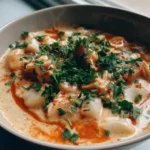
haddock chowder recipe
- Total Time: 55 minutes
- Yield: 4 servings
- Diet: General
Description
This creamy haddock chowder features a rich base with tender haddock and potatoes, enhanced by smoky paprika and sweet roasted garlic, perfect for a hearty weeknight meal.
Ingredients
- 1.3 lb skinless, boneless haddock fillets, cut into 1-inch pieces
- 1.1 lb Russet or Yukon Gold potatoes, peeled and diced
- 1 medium yellow onion, finely diced
- 2 stalks celery, finely diced
- 1 head garlic, unpeeled
- 3 tbsp unsalted butter
- 0.25 cup all-purpose flour
- 2 cups vegetable stock
- 2 cups whole milk
- 1 cup heavy cream, divided (0.75 cup for chowder, 0.25 cup for drizzle)
- 2 tsp smoked paprika, divided (1.5 tsp for chowder, 0.5 tsp for drizzle)
- Sea salt and freshly ground black pepper, to taste
- Fresh parsley, for garnish
Instructions
- Prepare Roasted Garlic: Preheat oven to 400°F (200°C). Roast unpeeled head of garlic for 30-40 minutes until soft. Squeeze out cloves and mash into a paste; set aside.
- Sauté Aromatics and Create Roux: In a large pot, melt butter over medium heat. Add diced onion and celery, cooking for 5-7 minutes until softened. Stir in 1.5 tsp smoked paprika and cook for 1 minute. Sprinkle flour over vegetables, stirring for 1-2 minutes to create a roux. Gradually whisk in vegetable stock and whole milk until smooth.
- Simmer Potatoes: Add potatoes to pot. Bring to a gentle simmer, reduce heat to low, cover, and cook for 15-20 minutes, or until potatoes are tender.
- Prepare Drizzle: While potatoes cook, combine 0.25 cup heavy cream, mashed roasted garlic, and remaining 0.5 tsp paprika in a small saucepan. Warm gently over low heat until steaming (do not boil); let infuse for 5 minutes. Strain for a smoother consistency if desired.
- Add Haddock and Finish Chowder: Gently add haddock pieces to the pot. Increase heat slightly and cook for 5-7 minutes, until fish is opaque and flakes easily. Stir in remaining 0.75 cup heavy cream, season with salt and pepper, and heat through for 1-2 minutes without boiling.
- Serve: Ladle chowder into bowls, drizzle with reserved smoked paprika-garlic cream, and garnish generously with fresh parsley.
Notes
For a thicker chowder base, use Russet potatoes; Yukon Golds offer a creamier texture. Avoid overcooking the haddock, as it will become tough and rubbery.
- Prep Time: 20 minutes
- Cook Time: 35 minutes
- Category: Main Course
- Method: Stovetop
- Cuisine: American
Nutrition
- Serving Size: 1.5 cups (350 g)
- Calories: 530 calories
- Sugar: 8 g
- Sodium: 600 mg
- Fat: 36 g
- Saturated Fat: 20 g
- Unsaturated Fat: 15 g
- Trans Fat: 0 g
- Carbohydrates: 34 g
- Fiber: 3 g
- Protein: 35 g
- Cholesterol: 120 mg
FREE PRINTABLE RECIPE
Get the Printable Recipe PDF (Free)
Enter your email and we’ll send you the ingredients + step-by-step instructions as a clean PDF you can save to your phone.
- ✅ Printable PDF (ingredients + steps)
- ✅ Save it to your phone (no long scrolling)
- ✅ Includes cook time + servings
- ✅ Easy to follow
FAQ
Where’s the full recipe?
It’s delivered as a printable PDF so you can save it and cook without scrolling.
I didn’t get the email.
Check Spam/Promotions and search your inbox for your site name. Then click Confirm to receive the PDF.