
I often find myself reaching for a quick way to brighten up dinner, and this easy homemade japanese salad dressing recipe is my go-to! Its vibrant, tangy aroma instantly elevates any meal, promising a burst of fresh flavor. It’s truly a secret weapon for busy parents and budget-conscious cooks, transforming everyday greens into a delicious, healthy, and family-friendly experience with this Japanese salad dressing recipe, making it a staple for quick meals.

Ingredient Spotlight and Smart Choices
Crafting a delicious homemade Japanese salad dressing recipe starts with understanding your ingredients. Here’s what you’ll need for this vibrant, family-friendly dressing:
- Fresh Ginger: 25 g (1-inch piece), peeled and finely grated, for a pungent, zesty kick. Always opt for fresh ginger; it truly makes a difference in flavor.
- Red Miso Paste: 30 g (2 tablespoons) adds a deep, savory, complex flavor to your Japanese salad dressing recipe.
- Naturally Brewed Soy Sauce: 60 ml (1/4 cup) for the savory base, providing essential umami. (Opt for low-sodium or Tamari for a gluten-free option).
- Rice Vinegar: 45 ml (3 tablespoons) adds a clean, tangy brightness.
- Toasted Sesame Oil: 15 ml (1 tablespoon) delivers a rich, nutty, aromatic depth. Ensure it’s toasted for an intensified aroma.
- Granulated Sugar: 10 g (2 teaspoons) to balance the tang and saltiness. (For a low-carb alternative, a sugar substitute like erythritol works well).
- Water: 30 ml (2 tablespoons) helps with blending and consistency.
- Neutral Oil (for dressing): 120 ml (1/2 cup) such as grapeseed or canola.
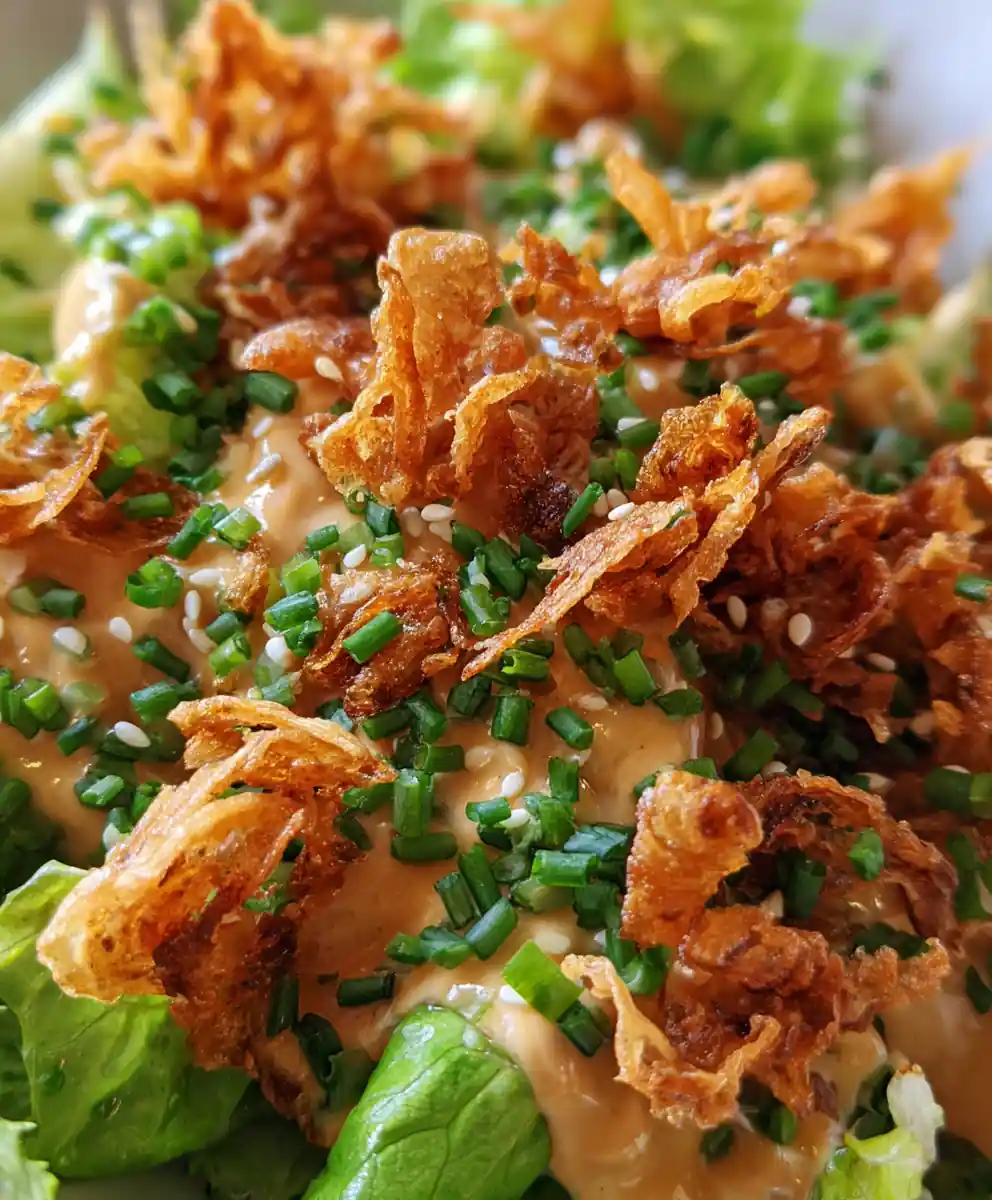
- Garlic Cloves: 3 medium, peeled and thinly sliced, for the crispy crunch component.
- Shallots: 2 small, peeled and thinly sliced, also for the crispy crunch.
- Neutral Oil (for frying): 120 ml (1/2 cup) such as grapeseed or canola, for achieving perfect crispiness.
- Toasted White Sesame Seeds: 5 g (1 teaspoon), for garnish.
- Fresh Chives: 5 g (1 tablespoon), finely chopped, for a vibrant green flourish.
For purer flavor, consider organic ingredients. This recipe is naturally plant-based, and easily adjustable for various dietary needs, supporting healthy eating.
Clear Step-by-Step Instructions
Whipping up this delicious Japanese salad dressing recipe is surprisingly simple. Follow these steps for a perfectly balanced dressing every time:
- Grate Ginger: Finely grate about 25g (1-inch piece) of fresh ginger into a small bowl. Aim for a pungent, juicy consistency, avoiding any tough fibers.
- Combine Liquids: In the same small bowl or a lidded jar, combine 60 ml (1/4 cup) naturally brewed soy sauce, 45 ml (3 tablespoons) rice vinegar, 15 ml (1 tablespoon) toasted sesame oil, 10 g (2 teaspoons) granulated sugar, and 30 ml (2 tablespoons) water. These form the tangy base.
- Add Aromatics: Stir in your freshly grated ginger and 30g (2 tablespoons) of red miso paste (as I often do for a deeper flavor!). The mixture will begin to smell wonderfully aromatic.
- Whisk or Shake: Vigorously whisk the ingredients for about 1 minute until the sugar dissolves and the dressing emulsifies slightly, becoming uniform and opaque. If using a lidded jar, screw on the lid tightly and shake well for 30 seconds until creamy. If your dressing appears separated after sitting, simply re-whisk or shake it vigorously to bring it back together.
- Taste and Adjust: Dip a piece of crisp lettuce into the dressing and taste. Adjust for desired sweetness, tang, or saltiness. Add a tiny pinch more sugar, a splash of vinegar, or a dash of soy sauce as needed until it brightens your palate.
- Chill: For the best meld of flavors, transfer your Japanese salad dressing recipe to an airtight container and chill in the refrigerator for at least 30 minutes. This allows the ingredients to deepen their delicious harmony.
Optional shortcuts or quick prep hacks:
- Whipping up this Japanese salad dressing recipe can be even quicker by using a small blender or food processor to combine all ingredients until fully emulsified.
- While fresh is always best, pre-minced ginger from a tube can save time on a busy weeknight.
Perfect Occasions & Serving Inspiration
This versatile homemade dressing brightens any meal. It’s a true weeknight wonder, making healthy eating simple for busy parents. This easy homemade japanese salad dressing recipe also shines as a lunchbox hero or a potluck favorite.
Highlight when to enjoy (weeknights, holidays, gatherings, school lunches).
This japanese salad dressing recipe offers incredible flexibility for any schedule. Enjoy it as a quick addition to busy weeknight meals, elevate school lunches, or bring it to family gatherings and potlucks.
Pairing ideas with sides, sauces, and drinks.
Try it with crisp green salads featuring cucumbers, carrots, and bell peppers. It’s also a fantastic marinade or drizzle for grilled chicken, fish, or plant-based proteins. Toss with cold soba or ramen noodles for a delightful noodle salad.
Make-ahead, storage, and reheating details (fridge, freezer).
This dressing can be made 1-2 weeks in advance, making meal prep a breeze. Store it in an airtight container or jar in the refrigerator. No reheating is needed; serve it chilled or at room temperature for the best flavor.
Nutrition & Lifestyle Advantages of Japanese Salad Dressing Recipe
Show how the recipe fits health trends (weight loss, high-protein, low-sugar).
Embrace healthy dinner recipes by customizing this japanese salad dressing recipe. You can easily adjust sugar and sodium content to fit dietary needs, making it great for low-carb meals or diabetic-friendly meals. It also supports quick meal prep and boosts protein-rich snacks when paired with grilled tofu or chicken.
Short bullet list of benefits (energy boost, balanced meals, family-friendly).
- Boosts veggie intake with delicious flavor.
- Supports balanced meals by adding healthy fats and tang.
- A family-friendly dressing that even picky eaters enjoy.
Everyday Practical Benefits
Explain how Japanese salad dressing recipe helps with convenience, budget, or nutrition.
This japanese salad dressing recipe offers incredible convenience, made from common pantry staples in under five minutes. It’s significantly more budget-friendly and healthier than store-bought options, giving you full control over ingredients. Its versatility extends beyond salads, serving as a marinade or dipping sauce.
Expert Tips, Variations & Adjustments
Pro chef tricks for better flavor, texture, or presentation.
For richer flavor, lightly toast sesame seeds and sprinkle them over your salad; I always toast mine in a dry pan until fragrant, it makes such a difference! Always use fresh ginger; the flavor is far superior to powdered, offering a vibrant zest. Consider adding a pinch of red pepper flakes for a subtle, warming heat.
Customization for different diets or flavor preferences.
- Spicy kick: Add a dash of sriracha or chili garlic sauce for heat.
- Creamy texture: Blend in a tablespoon of mayonnaise or tahini.
- Citrus boost: A squeeze of lime or lemon juice adds extra brightness.
Allergy awareness and safe swaps.
- Gluten-free: Use Tamari instead of regular soy sauce for a safe option.
- Nut-free: Ensure sesame oil is the only nut-related ingredient (sesame is a seed, not a tree nut, but some have sensitivities).
- Soy-free: Use coconut aminos as a soy sauce alternative.
Common Questions Answered
Is Japanese salad dressing recipe good for meal prep?
Yes, absolutely! You can make a batch of this japanese salad dressing recipe and store it in the fridge for up to two weeks. This makes meal prep a breeze for busy schedules, ensuring you always have a tasty dressing on hand for quick meals.
What are the healthiest substitutes for Japanese salad dressing recipe?
To make your homemade dressing healthier, use low-sodium soy sauce and sugar substitutes like erythritol (start with half the amount of sugar). High-quality cold-pressed oils are also a great choice. You can reduce the oil content by adding a splash of water.
Can I order Japanese salad dressing recipe ingredients online?
Yes, all the core ingredients for this dressing, like soy sauce, rice vinegar, and sesame oil, are widely available online. You can also find them at most local grocery stores, making shopping for this easy family dinner recipe very convenient.
Is this Japanese salad dressing recipe vegan?
Yes, this particular dressing is naturally vegan, making it a perfect choice for plant-based diets. Always check labels on specialty ingredients for any hidden animal products to ensure full vegan compliance. It’s a delicious, healthy option for everyone.
How long does homemade Japanese salad dressing recipe last?
This homemade japanese salad dressing recipe will stay fresh and delicious in an airtight container in the refrigerator for up to 10-14 days. Give it a good shake before each use to re-emulsify the ingredients and ensure consistent flavor.
What kind of oil is best for Japanese salad dressing recipe?
To achieve the authentic flavor of this japanese salad dressing recipe, toasted sesame oil is essential for its distinctive nutty aroma. I often combine it with a neutral oil like grapeseed or avocado oil for a lighter body, making it ideal for healthy eating.
This easy japanese salad dressing recipe is your ticket to transforming everyday meals into vibrant, flavorful experiences. With simple ingredients and quick steps, you’ll have a healthier, tastier dressing ready for anything. Save this recipe to Pinterest and share it with your family tonight for delicious family dinners!
Print
japanese salad dressing recipe
- Total Time: 60 minutes
- Yield: 1 cup (8 servings)
- Diet: Plant-Based
Description
This easy homemade Japanese salad dressing delivers a vibrant, tangy, and savory flavor that instantly elevates any meal, perfect for transforming everyday greens into a delicious and healthy family-friendly experience.
Ingredients
- 25 g fresh ginger, peeled and finely grated
- 30 g red miso paste
- 60 ml naturally brewed soy sauce
- 45 ml rice vinegar
- 15 ml toasted sesame oil
- 10 g granulated sugar
- 30 ml water
- 120 ml neutral oil (such as grapeseed or canola), for dressing
- 3 medium garlic cloves, peeled and thinly sliced
- 2 small shallots, peeled and thinly sliced
- 120 ml neutral oil (such as grapeseed or canola), for frying
- 5 g toasted white sesame seeds, for garnish
- 5 g fresh chives, finely chopped, for garnish
Instructions
- Grate Ginger: Finely grate about 25g (1-inch piece) of fresh ginger into a small bowl. Aim for a pungent, juicy consistency, avoiding any tough fibers.
- Combine Liquids: In the same small bowl or a lidded jar, combine 60 ml (1/4 cup) naturally brewed soy sauce, 45 ml (3 tablespoons) rice vinegar, 15 ml (1 tablespoon) toasted sesame oil, 10 g (2 teaspoons) granulated sugar, and 30 ml (2 tablespoons) water. These form the tangy base.
- Add Aromatics: Stir in your freshly grated ginger and 30g (2 tablespoons) of red miso paste for a deeper flavor. The mixture will begin to smell wonderfully aromatic.
- Whisk or Shake Dressing: Vigorously whisk the ingredients for about 1 minute until the sugar dissolves and the dressing emulsifies slightly, becoming uniform and opaque. If using a lidded jar, screw on the lid tightly and shake well for 30 seconds until creamy.
- Taste and Adjust Seasoning: Dip a piece of crisp lettuce into the dressing and taste. Adjust for desired sweetness, tang, or saltiness. Add a tiny pinch more sugar, a splash of vinegar, or a dash of soy sauce as needed until it brightens your palate.
- Chill Dressing: For the best meld of flavors, transfer your Japanese salad dressing to an airtight container and chill in the refrigerator for at least 30 minutes. This allows the ingredients to deepen their delicious harmony.
Notes
Store dressing in an airtight container in the refrigerator for at least 30 minutes for best flavor meld. If dressing appears separated after sitting, simply re-whisk or shake it vigorously to bring it back together. For quicker prep, use a small blender or food processor to combine all ingredients, or use pre-minced ginger from a tube. For dietary adjustments, opt for low-sodium soy sauce or Tamari (for gluten-free), or a sugar substitute like erythritol (for low-carb). Consider using organic ingredients for purer flavor.
- Prep Time: 20 minutes
- Cook Time: 10 minutes
- Category: Dressing
- Method: Mixing
- Cuisine: Japanese
Nutrition
- Serving Size: 2 tablespoons (30 ml)
- Calories: 155 calories
- Sugar: 2 g
- Sodium: 580 mg
- Fat: 15 g
- Saturated Fat: 1.5 g
- Unsaturated Fat: 13.5 g
- Trans Fat: 0 g
- Carbohydrates: 3 g
- Fiber: 0.5 g
- Protein: 1 g
- Cholesterol: 0 mg
FREE PRINTABLE RECIPE
Get the Printable Recipe PDF (Free)
Enter your email and we’ll send you the ingredients + step-by-step instructions as a clean PDF you can save to your phone.
- ✅ Printable PDF (ingredients + steps)
- ✅ Save it to your phone (no long scrolling)
- ✅ Includes cook time + servings
- ✅ Easy to follow
FAQ
Where’s the full recipe?
It’s delivered as a printable PDF so you can save it and cook without scrolling.
I didn’t get the email.
Check Spam/Promotions and search your inbox for your site name. Then click Confirm to receive the PDF.