
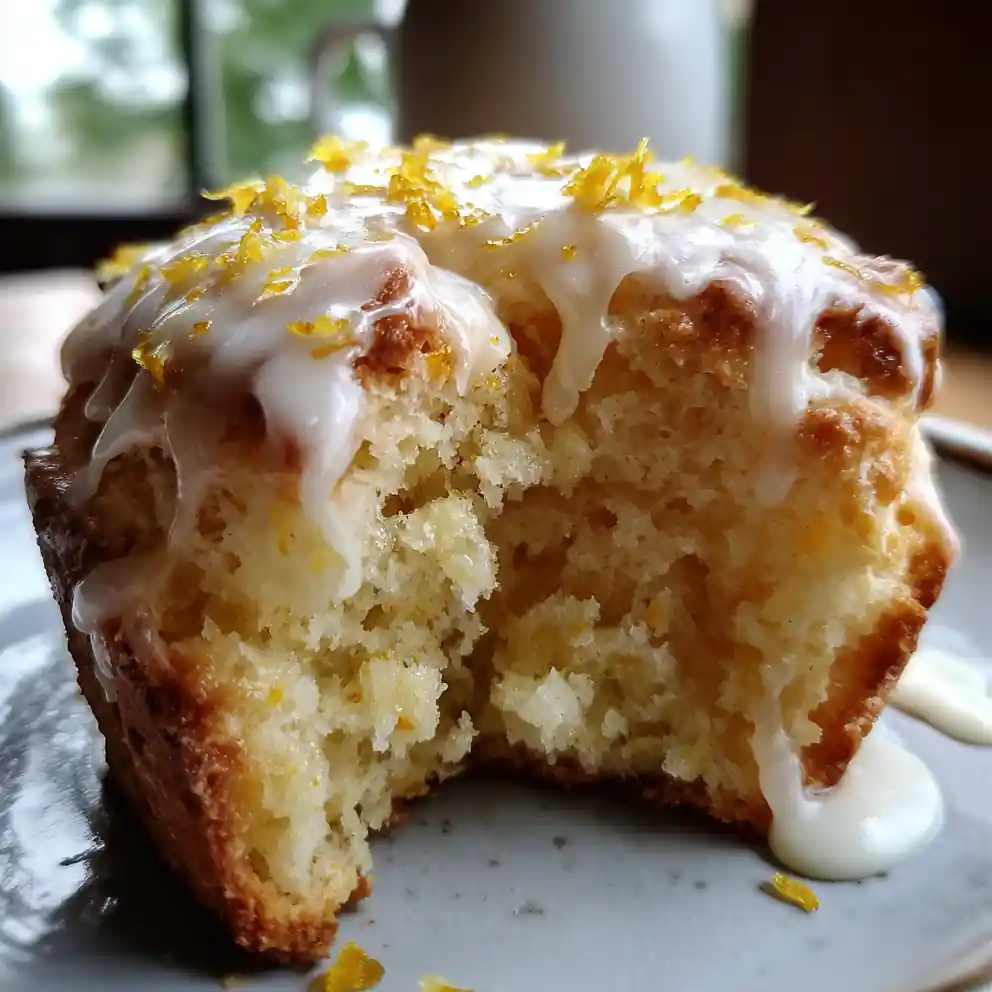
I don’t know about you, but a weekend breakfast just isn’t complete without something warm from the oven. The aroma of fresh citrus and warm cardamom filling my kitchen in the morning is a small luxury I never take for granted. This orange scone recipe isn’t just a simple treat; it’s a way to transform a regular Saturday into a special occasion for my family. We’ll show you how to achieve bakery-quality fluffy orange scones at home with minimal effort, making this a perfect family-friendly recipe. This easy orange scone recipe delivers on that promise every time.
Ingredients
- 300 g (2 ½ cups) all-purpose flour
Use standard all-purpose flour for the best results and structure. Sifting before measuring ensures accuracy, especially in baking. This provides the core structure for tender orange scones. - 50 g (¼ cup) granulated sugar
Provides necessary sweetness to balance the tart orange zest. Avoid increasing the sugar too much, as it can make the scones tough. Use standard white granulated sugar. - 12 g (1 tablespoon) baking powder
This is the primary leavening agent for a high-rising, fluffy texture. Ensure your baking powder is fresh; test by adding a pinch to hot water for a reliable high-rising orange scone. Do not substitute with baking soda (it requires an acid not present here). - 3 g (½ teaspoon) fine sea salt
Enhances the overall flavor and balances the sweetness of the sugar and glaze. Use fine sea salt for easier dispersion throughout the dry ingredients. This prevents the scones from tasting flat. - 115 g (½ cup) unsalted butter, very cold and cubed
The most critical ingredient for flakiness; use high-quality, cold butter straight from the fridge for the best orange scone recipe. Cutting the butter into small cubes before adding to the flour ensures even distribution. Keep the butter chilled and handle it quickly to prevent melting. - 1 large egg, lightly beaten
Acts as a binder and adds richness to the dough. Ensure the egg is large; a medium egg may not provide enough hydration. Whisk thoroughly before combining with the milk and orange blossom water. - 120 ml (½ cup) whole milk
The primary source of liquid for hydration; whole milk adds richness and flavor. Avoid low-fat milk, as the lack of fat can affect the texture. Use full-fat, fresh whole milk. - 5 ml (1 teaspoon) orange blossom water
This adds a subtle, floral aroma that complements the fresh orange zest. If you cannot find orange blossom water, you can omit it for a simpler flavor profile. Do not confuse this with orange extract, which has a much stronger, artificial flavor. - Zest of 1 large orange (approximately 2 teaspoons)
Freshly grated zest provides the main bright, citrus flavor. Use a microplane or fine zester for small pieces that distribute evenly. Avoid zesting the white pith, as it can be bitter. - 200 g (1 ½ cups) powdered sugar
The base for the sweet glaze; sifting is essential for a smooth consistency. Use standard powdered sugar, also known as confectioners sugar. Sift thoroughly to remove lumps before mixing. - 45 ml (3 tablespoons) fresh orange juice
Provides the liquid and additional orange flavor for the glaze. Freshly squeezed juice is far superior to bottled juice here. Use the juice from the same orange used for the zest. - 2 g (½ teaspoon) ground cardamom
The unique spice that provides warmth and depth to the glaze. Make sure your ground cardamom is fresh for maximum aroma. The combination of cardamom and orange is truly exceptional. - 1 ml (¼ teaspoon) alcohol-free vanilla extract
Adds another layer of flavor complexity to the glaze. The alcohol-free version is often used in glazes for a purer flavor. A small amount elevates the glaze without overpowering the cardamom or orange. - Finely grated zest of ½ orange (for garnish)
Used exclusively for garnishing the finished glazed scones. The bright color contrasts beautifully with the white glaze. Grate this zest immediately before serving for maximum freshness.
Instructions
- Prep the Oven and Pan
Preheat your oven to 200°C (400°F) for at least 15 minutes to ensure it reaches full temperature. Line a large baking sheet with parchment paper to prevent sticking. Make sure you have enough space for all 8-10 scones before cutting. - Combine Dry Ingredients
In a large mixing bowl, whisk together the all-purpose flour, granulated sugar, baking powder, and salt. Whisk for 30 seconds to distribute the baking powder and salt evenly throughout the flour. This ensures consistent leavening and seasoning in every orange scone. - Cut in the Cold Butter
Add the cold, cubed butter to the dry ingredients in the bowl. Using your fingertips or a pastry blender, quickly work the butter into the flour mixture until it resembles coarse crumbs. Ensure some pea-sized pieces of butter remain; these melt during baking and create flakiness. - Mix Wet Ingredients
In a separate small bowl, lightly whisk together the beaten large egg, whole milk, and orange blossom water. Whisk briefly until just combined; do not overmix at this stage. Ensure all ingredients are at room temperature (except the butter) for better incorporation. - Combine Wet, Dry, and Zest
Pour the wet ingredients into the dry ingredients in the large bowl. Add the zest of 1 large orange. Using a fork or your hands, gently mix until a shaggy dough forms and a few flour patches remain.If the dough looks very dry, add 1-2 teaspoons more milk; if it seems too wet, add a tablespoon of flour. Stop mixing as soon as the flour is almost incorporated to avoid overworking the dough, which would make the orange scones tough.
- Shape and Cut Scones
Turn the dough out onto a lightly floured surface. Gently pat the dough into a 2 cm (¾-inch) thick round. Do not knead the dough; excessive handling develops gluten, leading to tough scones. Using a 6 cm (2.5-inch) round cutter, cut out scones and place them on the prepared baking sheet. - Bake the Scones
Place the scones on the prepared baking sheet, leaving some space between them for airflow. Bake for 15-18 minutes in the preheated oven, or until the tops are golden brown. A properly baked scone will sound hollow when tapped on the bottom. - Prepare the Glaze
While the scones cool, whisk together the powdered sugar, fresh orange juice, ground cardamom, and alcohol-free vanilla extract in a medium bowl. Whisk until the mixture is completely smooth and glossy, checking for a thick but pourable consistency. If too thick, add a drop more orange juice; if too thin, add a tablespoon of powdered sugar. - Glaze and Garnish
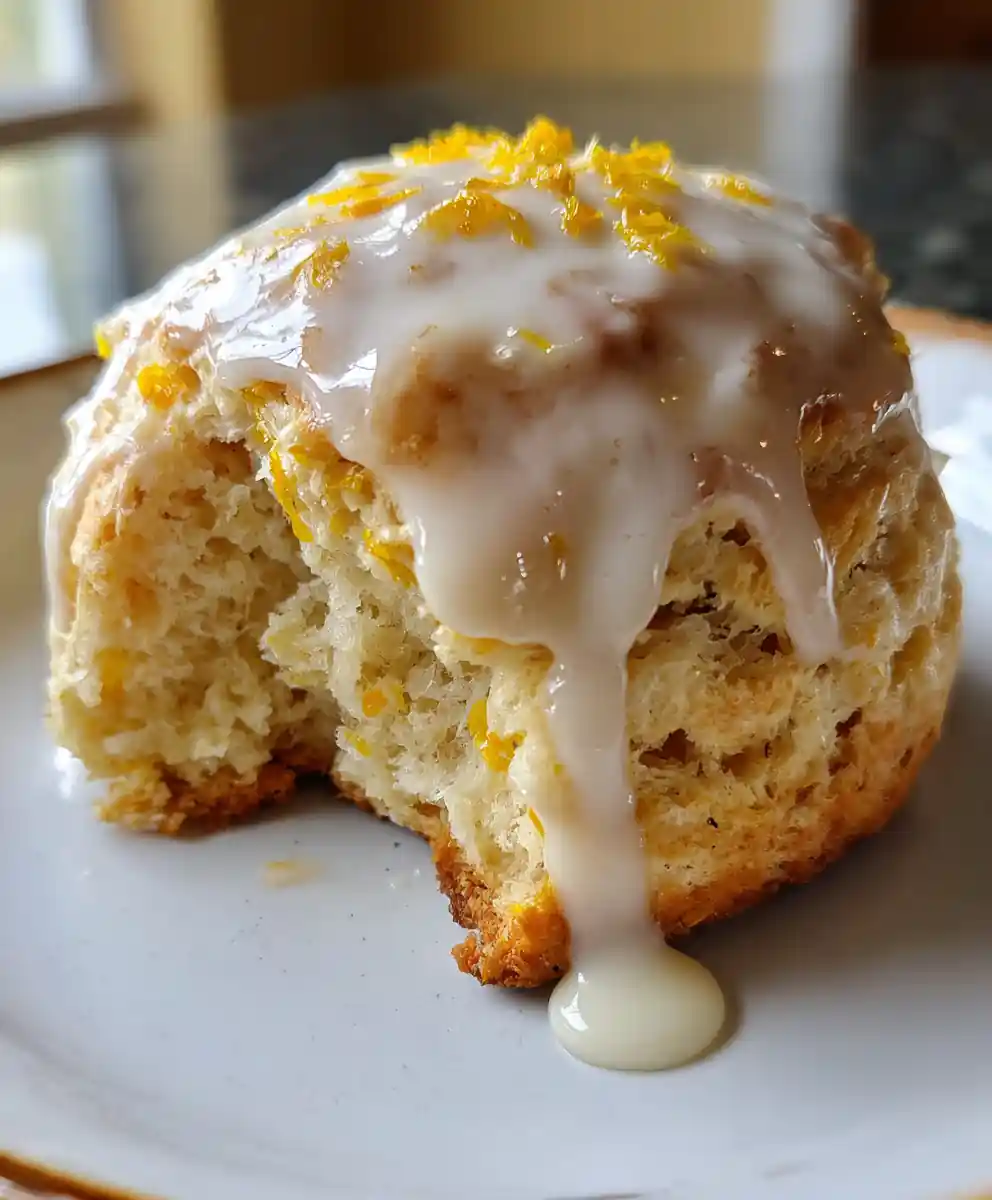
Once the scones have cooled for 10-15 minutes, generously spoon or drizzle the glaze over each scone. Allow the glaze to set for a few minutes; it will create a beautiful opaque coating as it cools further. Finish by dusting the tops of the glazed scones with the finely grated zest of half an orange for a beautiful presentation.
The Key to Fluffy Scones: Cold Butter and Minimal Mixing
When making a fluffy orange scone, the most important rule is to keep the butter very cold. When cold butter hits the hot oven, it releases steam, creating pockets of air that result in that desirable high rise and flaky texture. A common mistake is letting the butter melt before baking or overworking the dough during preparation. To ensure a tender crumb in your orange scone, handle the dough as little as possible during shaping. Use a light touch when combining ingredients, and stop mixing as soon as the dough holds together.
Make-Ahead Tips for Easy Mornings
This scone recipe is perfect for easy meal prep. Making the dough ahead of time saves a significant amount of active time on busy mornings.
- Can I make the dough ahead? Yes, you can prepare the dough through step 6 (cutting out the scones) and freeze them on the baking sheet. Once frozen solid, transfer the raw scones to a freezer-safe zip-top bag for up to 3 months.
- Baking from frozen: When ready to bake, place the frozen scones directly onto the parchment-lined sheet, add about 5 minutes to the total baking time, and brush lightly with milk.
- Storing baked scones: Store cooled, unglazed scones in an airtight container at room temperature for up to 2 days. For best results, add the glaze just before serving.
FAQs: Troubleshooting Your Orange Scone Recipe
Why did my scones turn out tough and dense?
Overmixing causes tough scones. The key is to handle the dough as little as possible during shaping. Ensure your butter was very cold when you cut it into the flour, and avoid kneading or handling the dough too much.
Can I use dried cranberries or chocolate chips in this scone recipe?
Yes, you can add ½ cup of dried cranberries or white chocolate chips with the orange zest in step 5. Don’t add more than that, as excessive inclusions can prevent rising.
What if I don’t have orange blossom water in this recipe?
If unavailable, simply omit it from the recipe. I’ve found that substituting with a tiny amount (¼ teaspoon) of vanilla extract works well for a different flavor note.
How do I know when the scones are fully cooked?
Look for a golden brown color on the surface. When you tap the bottom gently, a fully cooked scone will sound hollow.
How should I store leftover scones?
Store unglazed leftovers in an airtight container for up to 3 days at room temperature. Reheat gently in a toaster oven or microwave to restore the fresh texture.
Why are my scones spreading instead of rising high?
This usually happens when the butter is too warm or your baking powder is old. Ensure the oven is fully preheated (200°C/400°F) and the dough is at least 2 cm (¾-inch) thick before cutting.
Conclusion
This orange scone recipe with cardamom glaze proves that bakery-quality treats don’t have to be complicated. The combination of a perfectly light scone base and the vibrant glaze makes for an unforgettable bite. Don’t forget to save this recipe for later on Pinterest!
Print
orange scone recipe
- Total Time: 40 minutes
- Yield: 8 servings
- Diet: General
Description
A simple recipe for fluffy, bakery-quality orange scones with a vibrant cardamom glaze. This easy-to-follow method ensures tender results, perfect for a special breakfast or brunch.
Ingredients
- 300g (2.5 cups) all-purpose flour
- 50g (1/4 cup) granulated sugar
- 12g (1 tablespoon) baking powder
- 3g (1/2 teaspoon) fine sea salt
- 115g (1/2 cup) unsalted butter, very cold and cubed
- 1 large egg, lightly beaten
- 120ml (1/2 cup) whole milk
- 5ml (1 teaspoon) orange blossom water
- Zest of 1 large orange (approx. 2 teaspoons)
- 200g (1.5 cups) powdered sugar
- 45ml (3 tablespoons) fresh orange juice
- 2g (1/2 teaspoon) ground cardamom
- 1ml (1/4 teaspoon) alcohol-free vanilla extract
- Finely grated zest of 1/2 orange (for garnish)
Instructions
- Prep Oven and Pan: Preheat your oven to 400°F (200°C) and line a baking sheet with parchment paper.
- Combine Dry Ingredients: In a large mixing bowl, whisk together the flour, granulated sugar, baking powder, and salt.
- Cut in Cold Butter: Add the cold butter cubes to the dry ingredients. Use your fingertips or a pastry blender to quickly work the butter into the flour mixture until it resembles coarse crumbs, ensuring some pea-sized pieces remain.
- Mix Wet Ingredients: In a separate small bowl, lightly whisk together the beaten large egg, whole milk, and orange blossom water.
- Combine and Form Dough: Pour the wet ingredients into the dry ingredients. Add the orange zest. Gently mix with a fork or hands until a shaggy dough forms and a few flour patches remain. Do not overmix.
- Shape and Cut Scones: Turn the dough out onto a lightly floured surface. Gently pat the dough into a 3/4-inch thick round. Use a 2.5-inch round cutter to cut out scones and place them on the prepared baking sheet.
- Bake the Scones: Bake for 15-18 minutes in the preheated oven, or until the tops are golden brown. Let the scones cool for 10-15 minutes on the baking sheet.
- Prepare Glaze: While the scones cool, whisk together the powdered sugar, fresh orange juice, ground cardamom, and vanilla extract until smooth.
- Glaze and Garnish: Drizzle the glaze generously over each cooled scone. Allow the glaze to set for a few minutes before garnishing with the remaining orange zest.
Notes
Keep the butter very cold and avoid overmixing the dough for a flaky, tender texture. To make ahead, cut raw scones, freeze them on a baking sheet, and transfer to a freezer bag. Bake frozen scones directly from the freezer, adding 5 minutes to the total baking time. Store baked, unglazed scones in an airtight container at room temperature for up to 3 days.
- Prep Time: 20 minutes
- Cook Time: 18 minutes
- Category: Breakfast, Brunch, Dessert
- Method: Baking
- Cuisine: General
Nutrition
- Serving Size: 1 scone
- Calories: 380 kcal
- Sugar: 25 g
- Sodium: 300 mg
- Fat: 18 g
- Saturated Fat: 10 g
- Unsaturated Fat: 6 g
- Trans Fat: 0 g
- Carbohydrates: 50 g
- Fiber: 1 g
- Protein: 6 g
- Cholesterol: 50 mg
FREE PRINTABLE RECIPE
Get the Printable Recipe PDF (Free)
Enter your email and we’ll send you the ingredients + step-by-step instructions as a clean PDF you can save to your phone.
- ✅ Printable PDF (ingredients + steps)
- ✅ Save it to your phone (no long scrolling)
- ✅ Includes cook time + servings
- ✅ Easy to follow
FAQ
Where’s the full recipe?
It’s delivered as a printable PDF so you can save it and cook without scrolling.
I didn’t get the email.
Check Spam/Promotions and search your inbox for your site name. Then click Confirm to receive the PDF.