
For many home bakers, a pie crust recipe feels like the ultimate kitchen test. The thought of tough dough or a soggy bottom can stop you before you even start. I know the feeling—I used to rely on store-bought crusts for every holiday because making one from scratch felt overwhelming.
But once I learned a few simple tricks, everything changed. A flaky, buttery crust doesn’t have to be stressful. With the right flour, fat, and technique, even busy home cooks can pull off a pie crust recipe that tastes like it came from grandma’s kitchen. Whether you’re baking apple pie in the fall, rolling out crust for a quiche, or trying gluten-free alternatives, this guide will walk you through every step.
I’ve tested versions with butter, shortening, and even gluten-free flours to find what works best—and I’ll share those results with you here. This way, you can skip the trial and error and head straight to a foolproof pie crust recipe you’ll trust year after year.
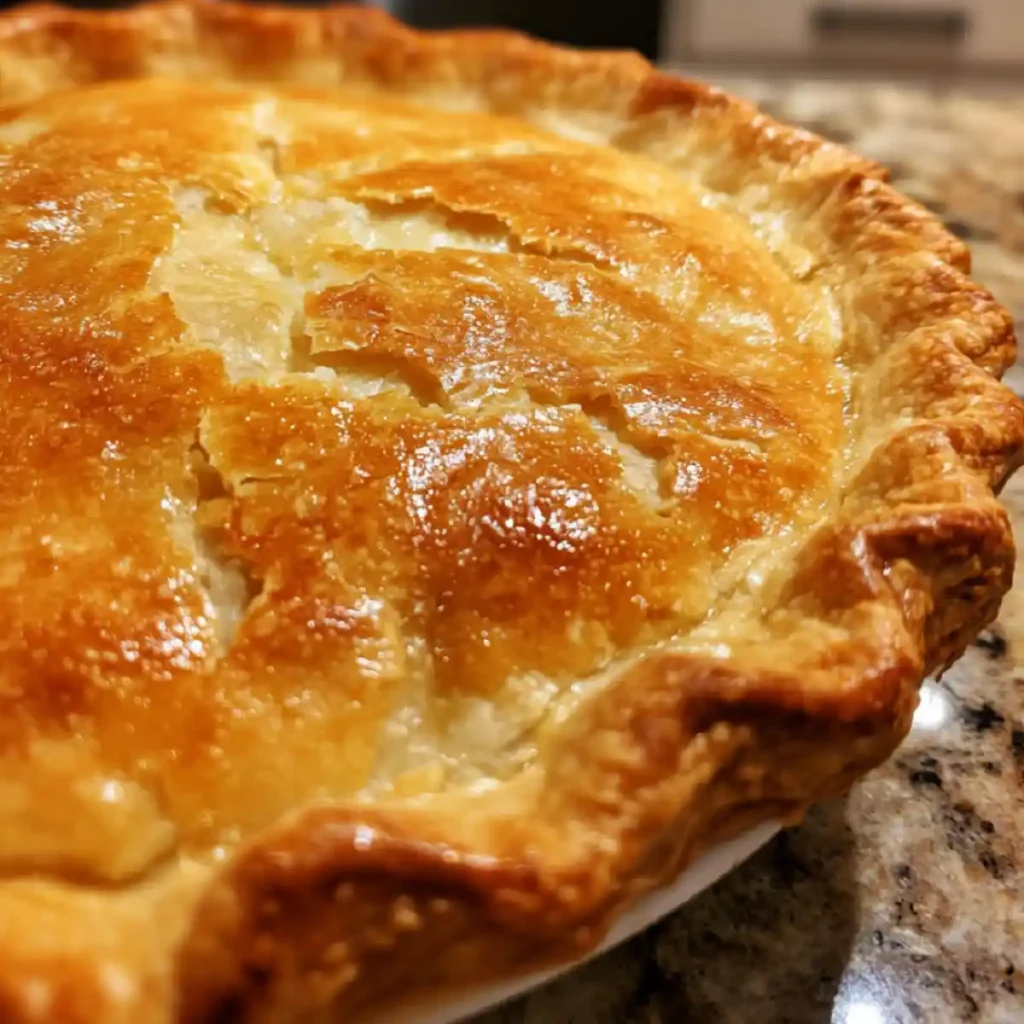
Table of Contents
Table of Contents
Ingredient Breakdown for the Perfect Pie Crust Recipe
A good pie crust recipe starts with just a few simple ingredients, but the type you choose makes all the difference in texture and flavor.
- Flour Options
All-purpose flour is the classic choice—it gives a balance of tenderness and structure. Almond flour adds nuttiness but needs extra binding, while gluten-free blends can be tricky but work well when chilled properly. - Fat Choices
Butter brings flavor and golden color. Shortening delivers tenderness and helps the crust hold shape. Some bakers like a mix for the best of both worlds. Cream cheese adds richness, and oil is a lighter, fuss-free alternative. - Liquid Additions
Ice water is standard, but a teaspoon of vinegar or vodka can prevent gluten from tightening, which means a more tender bite. An egg yolk adds richness and a little extra binding. - Optional Add-ins
Sugar sweetens dessert crusts, while cinnamon or cookie crumbs can add layers of flavor that make fruit pies shine. - Dietary Substitutions
Dairy-free margarine or coconut oil works for a vegan pie crust recipe. Gluten-free flour blends paired with xanthan gum can mimic the structure of wheat-based flours.
Butter vs Shortening in a Pie Crust Recipe – Which Makes It Flakier?
If you want bold flavor and a golden, crisp edge, butter wins every time. It has a higher water content, so as it bakes, steam escapes and forms those flaky layers. Shortening, on the other hand, melts more slowly, which gives the crust stability and tenderness. My go-to pie crust recipe for holidays combines both: butter for taste, shortening for structure.
Best Flour for Pie Crust – All-Purpose, Almond, or Gluten-Free?
For most home cooks, all-purpose flour is the safest bet. Almond flour creates a nutty, slightly crumbly crust—perfect for cheesecake bases but tricky for double-crust pies. Gluten-free blends can absolutely work, but chilling the dough is key. From my own kitchen tests, a gluten-free pie crust recipe needs a bit more patience, but the results are still buttery and delicious.
Step-by-Step Preparation Instructions for a Flaky Pie Crust Recipe
Even if you’ve never made a pie crust recipe before, these steps will guide you through the process with confidence.
- Mix dry ingredients. Whisk together 2 ½ cups of flour and 1 teaspoon of salt. Add 1 tablespoon of sugar if making a sweet crust.
- Cut in fat. Work 1 cup (2 sticks) cold butter—or half butter, half shortening—into the flour until it looks like coarse crumbs. A pastry cutter or your fingertips works best.
- Add liquid gradually. Drizzle in 6–8 tablespoons of ice water, mixing gently until the dough just comes together. Stop as soon as it holds.
- Rest & chill dough. Flatten into two disks, wrap in plastic, and chill at least 1 hour. This relaxes gluten and makes rolling easier.
- Roll & shape. On a floured surface, roll dough to about ⅛ inch thick. Fit into your pie dish, trim edges, and crimp if desired.
- Bake or blind bake. For pies with liquid fillings, line the crust with parchment, add pie weights or beans, and bake until set before filling.
How to Make Pie Crust by Hand vs Food Processor
Making a pie crust recipe by hand gives you the most control. You can feel the dough and stop before it overworks. A food processor, though, is a time-saver. Just pulse the flour and butter until pea-sized crumbs form, then add water slowly. I reach for the processor on busy weeknights, but when I want a rustic Sunday bake, I do it by hand.
How to Get an Extra Flaky Pie Crust Every Time
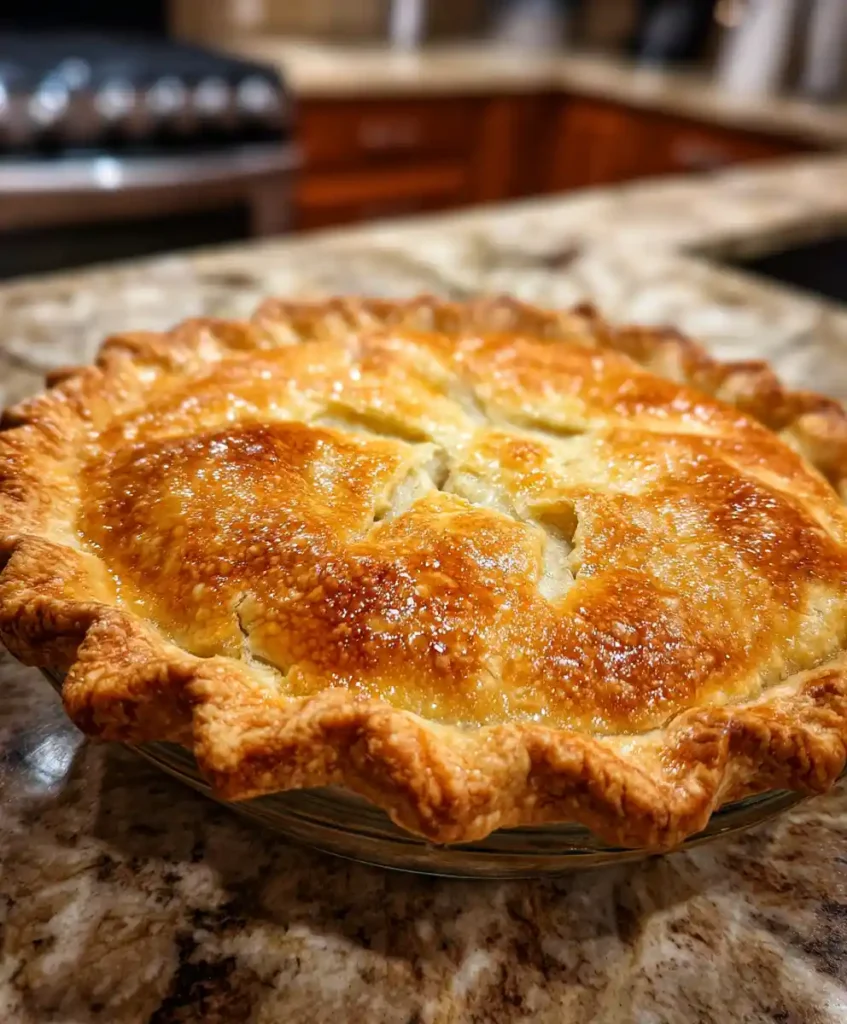
The secret? Cold everything. Cold butter, cold water, even a chilled mixing bowl if your kitchen is warm. Handle the dough as little as possible so the butter pieces stay intact. Those pockets of fat melt in the oven, creating steam and flaky layers. My trick: pop the rolled-out crust into the freezer for 10 minutes before baking. It locks in those flaky layers every time.
When and How to Use a Homemade Pie Crust Recipe
A pie crust recipe isn’t just for holiday desserts—it’s one of the most versatile staples in the home kitchen. Once you have the basics down, you can turn it into sweet treats, savory meals, or even quick weeknight solutions.
- Holidays: Nothing says “home” like an apple pie bubbling in the oven, a silky pumpkin pie for Thanksgiving, or a nutty pecan pie at Christmas.
- Comfort food dinners: Chicken pot pie is the ultimate family dinner. You can also top casseroles or savory fillings with crust for that golden, flaky finish.
- Quick meals: Quiches and hand pies are freezer-friendly and perfect for lunches or busy nights.
Freezing and Storing Pie Crust Dough the Right Way
One of the best parts of a homemade pie crust recipe is that you can prep it ahead. Wrap dough disks tightly in plastic wrap and then foil. They’ll keep in the fridge up to 3 days, or the freezer for 2–3 months. When ready to use, thaw overnight in the fridge before rolling.
Sweet vs Savory Pie Crusts – Adjustments for Every Recipe
A dessert crust benefits from a spoonful of sugar or even cinnamon in the dough. For savory pies, leave the sugar out and consider adding herbs or a pinch of pepper. I often add thyme when making quiche—it perfumes the crust beautifully.
Best Pie Crust Recipe for Quiche, Pot Pies, and More
For quiche, blind bake the crust to avoid sogginess. For pot pies, a butter-heavy crust stands up to hearty fillings. For fruit pies, use a lattice top to let steam escape and prevent a soupy center. With the same base pie crust recipe, you can adapt for just about anything.
How This Pie Crust Recipe Supports Family Dinners and Everyday Cooking
- Family dinners: A chicken pot pie feeds everyone at the table and stretches leftovers.
- Budget meals: Flour, butter, and water cost far less than a store-bought crust.
- Make-ahead prep: Doubling the batch and freezing disks means you’re always 20 minutes from pie night.
- Kid-friendly treats: Extra dough scraps can be rolled, sprinkled with cinnamon sugar, and baked into pie crust cookies—my kids’ favorite.
Tips, Adjustments, and Cautions for the Best Pie Crust Recipe
- Texture adjustments: A teaspoon of vinegar or vodka keeps gluten from toughening. An egg yolk makes dough richer but slightly less flaky. Avoid over-kneading to keep it tender.
- Dietary adjustments: Vegan pie crust recipes can use coconut oil or plant butter. For gluten-free, add a little xanthan gum to help hold structure.
- Technique tips: Keep ingredients cold, chill before rolling, and don’t skip resting the dough.
- Cautions: Too much water leads to toughness. Blind bake for wet fillings. Always preheat your oven for even baking.
Common Pie Crust Mistakes (and How to Fix Them)
- Dough cracks when rolling → Let it warm slightly before handling.
- Crust shrinks in the oven → Rest longer in the fridge before baking.
- Soggy bottom → Blind bake or brush with egg white before filling.
- Tough texture → You may have overworked the dough or added too much water.
FAQs About Pie Crust Recipe
What is the best pie crust recipe for apple pie?
A butter-based crust balances flavor with structure, and blind baking helps prevent sogginess from juicy apples.
Can I make pie crust recipe without shortening?
Yes, butter alone works beautifully and adds great flavor. Shortening just gives extra tenderness.
What’s the secret to a flaky pie crust recipe?
Cold butter, minimal handling, and resting the dough. A quick freezer chill before baking helps too.
Can I make a gluten free pie crust recipe?
Yes, but use a gluten-free flour blend and chill thoroughly before rolling. Patience is key.
What is the difference between single and double pie crust recipe?
A single crust lines the bottom of the dish—perfect for quiches or custards. A double crust covers both bottom and top, sealing in fruit or savory fillings.
How long should I bake a pie crust recipe?
Blind bake for 15–20 minutes at 375°F before filling, or follow the filling recipe’s bake time.
Can I bake pie crust without filling?
Yes, this is blind baking. Line with parchment and pie weights to keep it flat.
How long should I chill pie crust dough?
At least 1 hour, but overnight gives the best results.
Why do you put vinegar or egg in pie crust?
Vinegar softens gluten for tenderness. Egg enriches the dough and helps bind, though it changes texture slightly.
Conclusion
Homemade pie crust is far less intimidating once you know the steps. With the right flour, fat, and a little chilling time, you’ll have a flaky, buttery crust every time. Whether you’re baking a holiday apple pie, a comforting pot pie, or a quick weeknight quiche, this pie crust recipe will be your go-to.
Don’t be afraid to try it—once you do, you may never buy a store-bought crust again. Save this recipe, pin it for later, or share it with a fellow home baker who could use a little encouragement in the kitchen.
Print
Pie Crust Recipe
- Total Time: 40 minutes
- Yield: 2 pie crusts
- Diet: Vegetarian
Description
Flaky, buttery pie crust recipe made simple with butter, flour, and ice water. Perfect for sweet or savory pies.
Ingredients
- 2 ½ cups flour
- 1 teaspoon salt
- 1 tablespoon sugar (optional, for sweet crust)
- 1 cup (2 sticks) cold butter, or half butter and half shortening
- 6–8 tablespoons ice water
Instructions
- Mix dry ingredients: Whisk together 2 ½ cups flour, 1 teaspoon salt, and 1 tablespoon sugar if making a sweet crust.
- Cut in fat: Work 1 cup cold butter (or half butter, half shortening) into the flour until mixture resembles coarse crumbs.
- Add liquid gradually: Drizzle in 6–8 tablespoons ice water, mixing gently until dough just comes together.
- Rest & chill dough: Flatten into two disks, wrap in plastic, and chill for at least 1 hour.
- Roll & shape: Roll dough to ⅛ inch thick, fit into pie dish, trim edges, and crimp if desired.
- Bake or blind bake: For liquid fillings, line with parchment, add pie weights, and bake until set before filling.
Notes
- For a vegan crust, use dairy-free margarine or coconut oil.
- For gluten-free, use a GF flour blend with xanthan gum and chill thoroughly before rolling.
- Blind baking helps prevent soggy bottoms for juicy fillings like apple pie.
- Prep Time: 20 minutes
- Cook Time: 20 minutes
- Category: Desserts
- Method: Baked
- Cuisine: American
Nutrition
- Serving Size: 1 slice
- Calories: 250
- Sugar: 1g
- Sodium: 150mg
- Fat: 16g
- Saturated Fat: 10g
- Unsaturated Fat: 5g
- Trans Fat: 0g
- Carbohydrates: 24g
- Fiber: 1g
- Protein: 3g
- Cholesterol: 40mg
FREE PRINTABLE RECIPE
Get the Printable Recipe PDF (Free)
Enter your email and we’ll send you the ingredients + step-by-step instructions as a clean PDF you can save to your phone.
- ✅ Printable PDF (ingredients + steps)
- ✅ Save it to your phone (no long scrolling)
- ✅ Includes cook time + servings
- ✅ Easy to follow
FAQ
Where’s the full recipe?
It’s delivered as a printable PDF so you can save it and cook without scrolling.
I didn’t get the email.
Check Spam/Promotions and search your inbox for your site name. Then click Confirm to receive the PDF.