
This simple peach jam uses just three ingredients to create a sweet, fruity spread. It is a practical way to preserve seasonal peaches for year-round use in your kitchen.
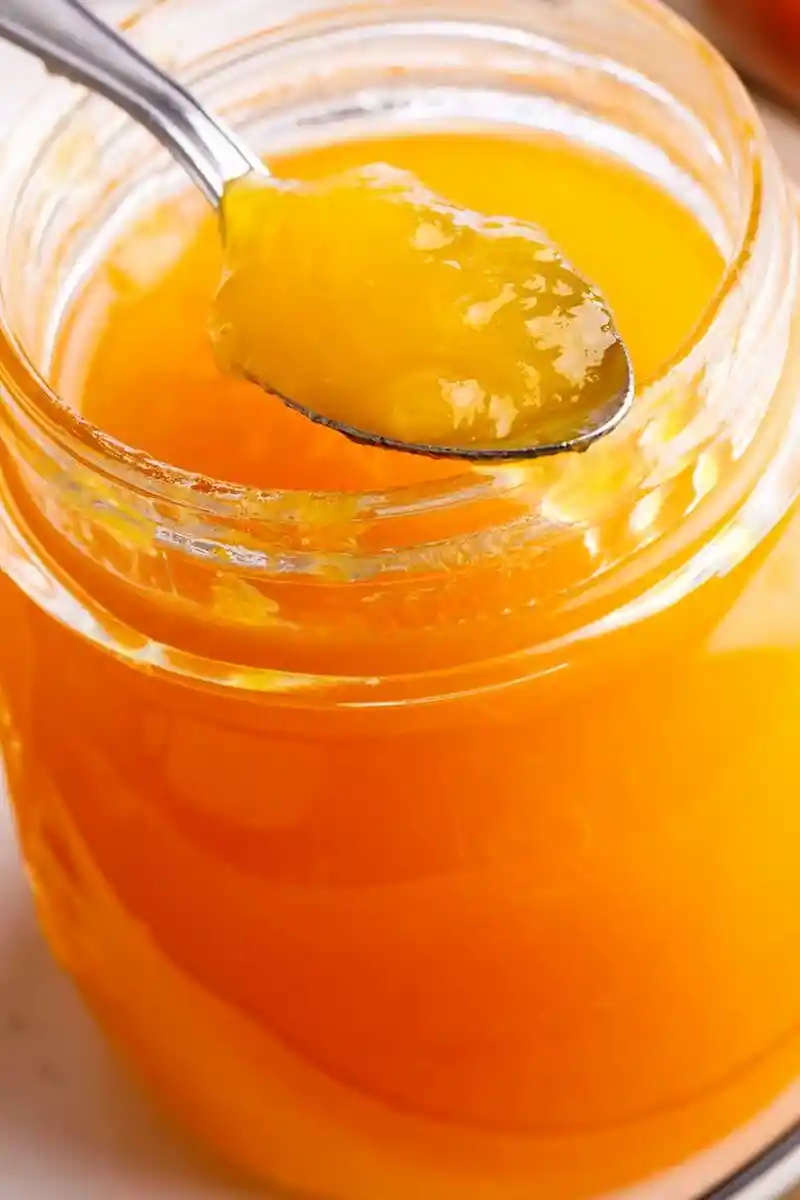
List of ingredients
- 3 ½ pounds peaches – peeled, pitted, and cut into chunks.
- 2 ½ cups sugar – provides sweetness and aids the setting process.
- 1 lemon – juiced to provide acidity and activate natural pectin.
step-by-step instructions
- Combine: Add the peach chunks and lemon juice to a large pot.
- Boil: Bring the mixture to a boil over medium heat.
- Mash: Use a potato masher to mash the peaches to your preferred consistency.
- Sweeten: Add the sugar and bring the mixture back to a boil, stirring frequently to prevent sticking.
- Simmer: Cook for 25-30 minutes or until the jam reaches your desired thickness.
- Jar: Ladle the hot jam into sterilized jars and seal them immediately.
- Store: Keep the jars in a cool dark place and move them to the refrigerator once opened.
Peach Selection and Preparation
Choosing the Right Peach Variety
Select peaches that are fragrant and slightly soft to the touch. Yellow peaches provide a traditional flavor, while white peaches offer a milder sweetness.
Checking for Ripeness
Ensure the fruit is ripe but not mushy. Overripe peaches can break down too quickly and may lead to a jam that lacks structure.
Blanching Peaches for Easy Peeling
Cut a small X into the bottom of each peach. Submerge the fruit in boiling water for 30 to 60 seconds, then immediately transfer them to an ice bath to loosen the skin.
Using an Ice Bath to Stop Cooking
The ice bath prevents the peaches from overcooking during the peeling process. This keeps the fruit firm and preserves the fresh flavor of the jam.
Efficient Pitting Techniques
Cut the peach along the natural seam to remove the pit. Use a spoon to scoop out any remaining fragments of the stone from the center.
Consistent Chunk Sizing for Even Cooking
Cut peaches into uniform chunks of about one inch. Consistent sizing ensures that all pieces break down at the same rate during the boiling process.
Mastering the Jam Consistency
The Role of Lemon Juice as a Pectin Activator
Lemon juice provides the acid necessary for pectin to bond and create a gel. Without this acidity, the jam may remain a syrup regardless of how long it boils.
Maintaining Medium Heat to Prevent Scorching
Keep the heat at a steady medium level. High heat can burn the sugars at the bottom of the pot, which ruins the flavor of the entire batch.
Proper Stirring Techniques to Avoid Crystallization
Stir the mixture frequently once the sugar is added. This prevents sugar crystals from forming and ensures a smooth, glossy texture.
The Cold Plate Test Method
Place a small plate in the freezer before you start cooking. Drop a spoonful of hot jam onto the cold plate and let it sit for a minute.
Identifying the Gel Point
Push your finger through the jam on the cold plate. If the surface wrinkles, the jam has reached the gel point and is ready to be jarred.
Adjusting Simmer Time for Thickness
If the jam is too thin after 30 minutes, continue simmering for 5-minute intervals. Be careful not to overcook, as this can darken the color and change the taste.
Sterilization and Storage Guidelines
Boiling Water Method for Glass Jars
Submerge clean jars in a pot of boiling water for 10 minutes. This eliminates bacteria and ensures the jam stays fresh for longer.
Sterilizing Lids and Rings
Place lids and rings in simmering water for a few minutes before use. Do not boil them for too long, as this can damage the sealing gaskets.
Oven Sterilization for Large Batches
Place wet jars in an oven preheated to 225 degrees Fahrenheit for 15 minutes. This is a faster alternative when preparing many jars at once.
Proper Sealing to Prevent Air Entry
Fill jars leaving about a quarter-inch of headspace at the top. Wipe the rim clean and seal tightly to prevent air from contaminating the preserve.
Storage Temperatures for Uncanned Jam
Store sealed jars in a cool, dark pantry away from direct sunlight. Heat and light can degrade the quality and color of the jam over time.
Safe Freezing Methods for Long Term Preservation
If you do not wish to can the jam, freeze it in plastic containers. Leave space at the top for expansion and store for up to six months.
Flavor Variations and Additions
Adding Warm Cinnamon Spice
Stir in half a teaspoon of ground cinnamon during the final ten minutes of cooking. This adds a warm, autumnal depth to the peach flavor.
Using Vanilla Extract for Depth
Add one teaspoon of pure vanilla extract after removing the pot from the heat. This enhances the natural sweetness of the peaches.
Pairing Peaches with Fresh Raspberries
Replace one pound of peaches with fresh raspberries. The tartness of the berries balances the sweetness of the peaches for a complex flavor.
Adding Ginger for a Zesty Flavor
Grate a small piece of fresh ginger into the pot during the initial boil. Ginger provides a sharp contrast that cuts through the sugar.
Incorporating Almond Extract for Nutty Notes
Add a drop of almond extract to the finished jam. This complements the stone fruit flavor and gives the jam a professional taste.
Using Brown Sugar for a Caramelized Taste
Replace half of the granulated sugar with light brown sugar. This creates a richer, caramel-like flavor profile in the final product.
Recommended Uses for Peach Jam
Pairing Jam with Toasted Sourdough
Spread the jam on toasted sourdough bread for a balanced breakfast. The tanginess of the sourdough complements the sweet peach preserves.
Using Jam as a Yogurt Swirl
Fold a tablespoon of peach jam into plain Greek yogurt. This adds natural fruit sweetness without needing extra refined sugars.
Topping Cheesecake with Peach Jam
Spoon the jam over a slice of New York-style cheesecake. The acidity of the jam cuts through the richness of the cream cheese.
Glazing Roasted Chicken or Root Vegetables
Mix the jam with a bit of soy sauce to create a glaze. Brush it over roasted chicken or carrots during the last ten minutes of cooking.
Filling Thumbprint Cookies
Press a small indent into cookie dough and fill it with a teaspoon of jam. Bake as directed for a fruity, sweet dessert.
Using Jam in Morning Smoothie Bowls
Drizzle the jam over a blended acai or banana bowl. It provides a concentrated burst of peach flavor and a beautiful color.
Common Peach Jam Troubleshooting
Reducing Excess Foam
If foam forms on the surface, skim it off with a spoon during the boiling process. This results in a clearer, more professional-looking jam.
Fixing Jam That Is Too Thin
If the jam is runny after cooling, return it to the pot. Simmer it for another 10 to 15 minutes to evaporate more liquid.
Addressing Grainy Texture
Graininess usually occurs when sugar is not fully dissolved. Ensure you stir frequently and maintain a consistent boil until the sugar disappears.
Preventing Surface Mold
Always use a clean spoon when scooping jam from the jar. Introducing crumbs or saliva can lead to mold growth in the refrigerator.
Correcting Overcooked Jam
If the jam becomes too thick or rubbery, stir in a tablespoon of water or lemon juice. Gently heat it to incorporate the liquid and soften the texture.
Managing Fruit Clumping
If the peaches are too chunky, use an immersion blender for a few seconds. This creates a smoother consistency while keeping some fruit pieces.
Frequently Asked Questions about Peach Jam
Can I use frozen peaches?
Yes, frozen peaches work well. Thaw them completely and drain any excess liquid before adding them to the pot.
Do I have to peel the peaches?
Peeling is recommended for a smooth texture. If you prefer a rustic jam, you can leave the skins on, but they will be visible in the final product.
Can I use apple pectin instead of lemon?
Yes, you can use commercial pectin if you want a firmer set. Follow the pectin manufacturer’s measurements carefully to avoid a rubbery texture.
How do I know when the jam is finished?
The jam is finished when it coats the back of a spoon and wrinkles when pushed on a cold plate.
Why is my jam cloudy?
Cloudiness is often caused by over-stirring or using fruit with very high water content. It does not affect the taste or safety of the jam.
Can I store this in plastic containers?
Plastic containers are suitable for freezing, but glass jars are better for refrigeration. Glass does not absorb odors and provides a better seal.
Print
Small Batch Homemade Peach Jam
- Total Time: 50 minutes
- Yield: 1 jar
- Diet: Vegetarian
Description
A delicious and simple 3-ingredient homemade peach jam made from scratch, offering a unique and fruity alternative to traditional berry jams.
Ingredients
- 3 ½ pounds peaches, peeled, pitted, and cut into chunks
- 2 ½ cups sugar
- 1 lemon, juiced
Instructions
- Prepare: Add the peaches and lemon juice to a pot.
- Boil: Bring to a boil over medium heat.
- Mash: Use a potato masher to mash the peaches.
- Sweeten: Add the sugar and bring back to a boil, stirring frequently.
- Cook: Cook for 25-30 minutes or until the peaches reach the desired consistency.
- Seal: Ladle into sterilized jars and seal immediately.
- Store: Store in a cool dark place and refrigerate once opened.
Notes
Without canning techniques, this jam lasts up to 3 weeks in the fridge or 6 months in the freezer. If processed with a canner, it typically lasts up to 2 years.
- Prep Time: 15 minutes
- Cook Time: 35 minutes
- Category: Condiment
- Method: Stovetop
- Cuisine: American
Nutrition
- Serving Size: 1 tablespoon
- Calories: 53 kcal
- Sugar: 13 g
- Sodium: 2 mg
- Fat: 0 g
- Saturated Fat: 0 g
- Unsaturated Fat: 0 g
- Trans Fat: 0 g
- Carbohydrates: 14 g
- Fiber: 0.5 g
- Protein: 0.2 g
- Cholesterol: 0 mg