
I simply adore the smell of freshly baked bread filling my kitchen, especially when it’s this incredibly soft and subtly sweet coco bread, straight from the oven.
Our easy coco bread recipe is your ticket to a taste of the Caribbean, right in your own kitchen. Get ready for a fluffy, flavorful loaf that’s simple enough for busy weeknights, yet impressive enough for any gathering. This trusted family favorite is about to become your go-to for comfort and joy. I often bake a batch on Sunday afternoons for easy grab-and-go snacks throughout the week, and you’ll learn how to bake bakery-quality coco bread at home with minimal fuss and maximum flavor, guaranteed.
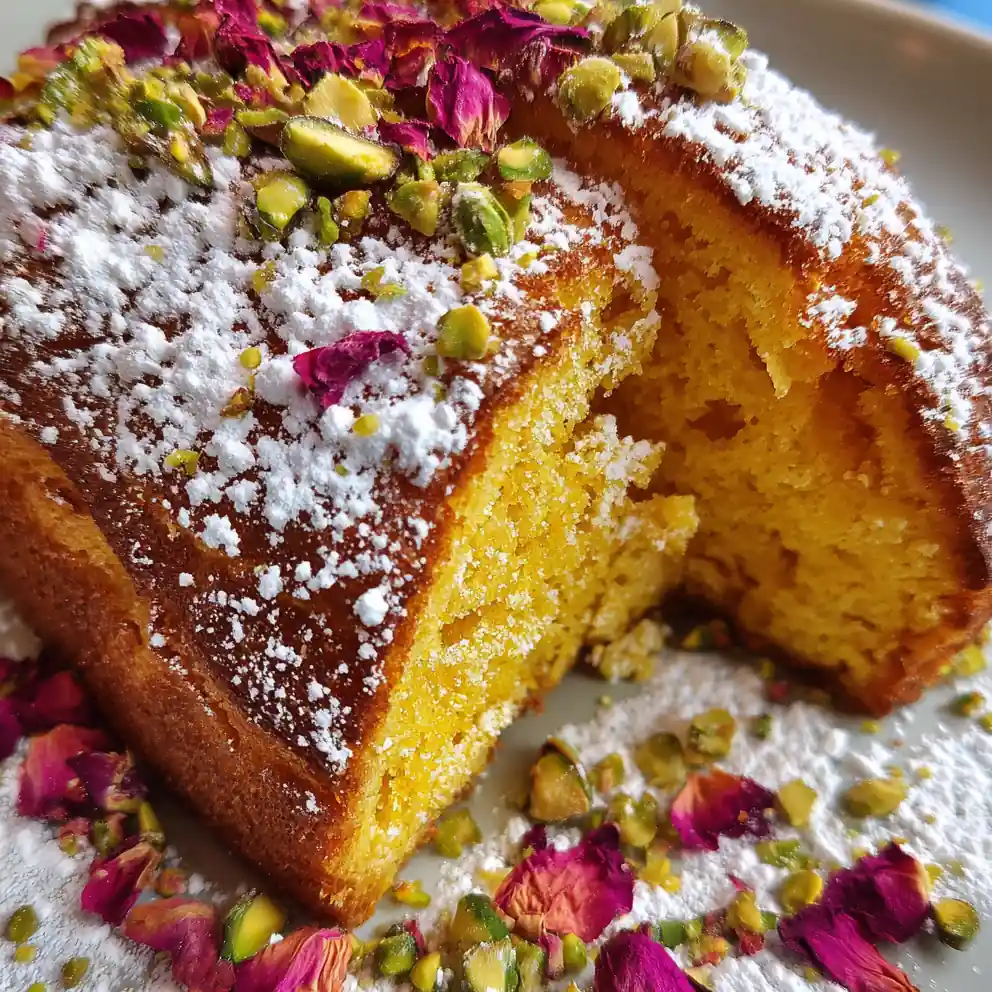
Ingredient Essentials and Smart Upgrades
Core ingredients with notes on function:
- Strong Bread Flour (500 g / 4 cups, plus more for dusting): Provides the essential structure and chewiness for a satisfying bread.
- Granulated Sugar (60 g / 1/4 cup + 2 tablespoons): Sweetens the dough and feeds the yeast for a beautiful rise.
- Instant Dry Yeast (7 g / 2 1/4 teaspoons): Ensures a light, airy texture and helps the dough expand.
- Fine Sea Salt (8 g / 1 teaspoon): Balances the sweetness and enhances all the flavors.
- Full-Fat Coconut Milk (240 ml / 1 cup, warmed to 40-45°C / 105-115°F): The key to the authentic flavor and incredibly tender crumb of this coco bread recipe.
- Unsalted Butter (60 g / 1/4 cup, melted and cooled slightly; plus 15 g / 1 tablespoon softened for brushing): Adds richness and a lovely golden finish (or use plant-based butter for dairy-free needs).
- Lukewarm Water (60 ml / 1/4 cup, more if needed): Hydrates the dough and helps activate the yeast (or use extra coconut milk for richer flavor).
- Saffron Threads (0.2 g / approx. 1/4 teaspoon lightly packed, crushed slightly): Infuses a delicate floral aroma and a beautiful golden hue.
- Ground Cardamom (5 g / 1 tablespoon): Contributes a warm, exotic spice note that perfectly complements the coconut.
- Toasted Unsalted Pistachios (30 g / 1/4 cup, roughly chopped): For a delightful crunch and vibrant green color.
- Dried Edible Rose Petals (2 g / 1 tablespoon, finely chopped): Adds a fragrant, elegant touch to the presentation.
- Powdered Sugar (15 g / 2 tablespoons): For a delicate dusting finish.
Healthy or premium upgrades:
Choosing organic unbleached bread flour can yield better flavor and texture for your baking. Using unsweetened coconut milk allows you to control the sugar content, offering a healthier twist. Opt for plant-based butter or coconut oil for delicious dairy-free options in your homemade bread.
Budget vs. gourmet substitutions:
Regular strong bread flour from your pantry works perfectly for a budget-friendly bake. Splurge on a high-quality, full-fat canned coconut milk for a truly richer and more authentic coco bread recipe experience.
Quick notes on freshness, storage life, and sourcing:
- Ensure your instant dry yeast is fresh and active for the best possible rise.
- Store coconut milk in a cool, dry place until opened, then refrigerate any leftovers.
- Butter should be softened or melted as directed for easy incorporation into the dough.
Easy Cooking Instructions, Step by Step
1. Activate Yeast
In a small bowl, combine the warmed coconut milk (40-45°C / 105-115°F), saffron threads, and half of the granulated sugar. Stir gently and let steep for 10-15 minutes until the milk takes on a fragrant, golden hue. This infusion adds a lovely color and unique flavor, setting the stage for a delightful coco bread recipe.
2. Mix Dry Ingredients
In a large mixing bowl, whisk together the strong bread flour, remaining granulated sugar, instant dry yeast, fine sea salt, and ground cardamom until well combined.
3. Combine Wet and Dry
Pour the saffron-infused coconut milk, melted butter, and lukewarm water into your dry ingredients. Mix with a sturdy spoon or your hands until a shaggy dough forms, feeling somewhat sticky. Then, turn the dough out onto a lightly floured surface.
4. Knead the Dough
Knead the dough for 8-10 minutes on a lightly floured surface until it becomes smooth, elastic, and feels less sticky. If the dough is too sticky, add a teaspoon of flour; if too dry, add a teaspoon of water. Form the kneaded dough into a smooth ball. I’ve learned that patience during the kneading phase really pays off for that ultimate softness, even on my busiest weeknights.
5. First Rise
Lightly grease a clean bowl with oil. Place the dough ball inside, turning it once to coat, then cover with plastic wrap. Let it rise in a warm spot for 60-90 minutes, or until it has visibly doubled in size and feels airy.
6. Shape the Loaves
Gently punch down the risen dough to release air and turn it onto a lightly floured surface. Divide the dough into 12 equal pieces. Roll each into a small ball, then flatten it into an oval about 15 cm (6 inches) long. Brush one side with softened butter, then fold it over to form a half-moon, gently pressing the edges to seal the traditional coco bread shape.
7. Second Rise
Arrange your shaped coco bread pieces on a baking sheet lined with parchment paper, leaving space between them. Cover loosely with plastic wrap and let rise for a second time for 30-45 minutes, until they look visibly puffy and light.
8. Bake to Perfection
Preheat your oven to 190°C (375°F). Bake the coco bread for 15-20 minutes. They will turn a beautiful golden brown on top, with saffron enhancing this rich color. A light tap on the bottom should sound hollow.
9. Cool and Serve
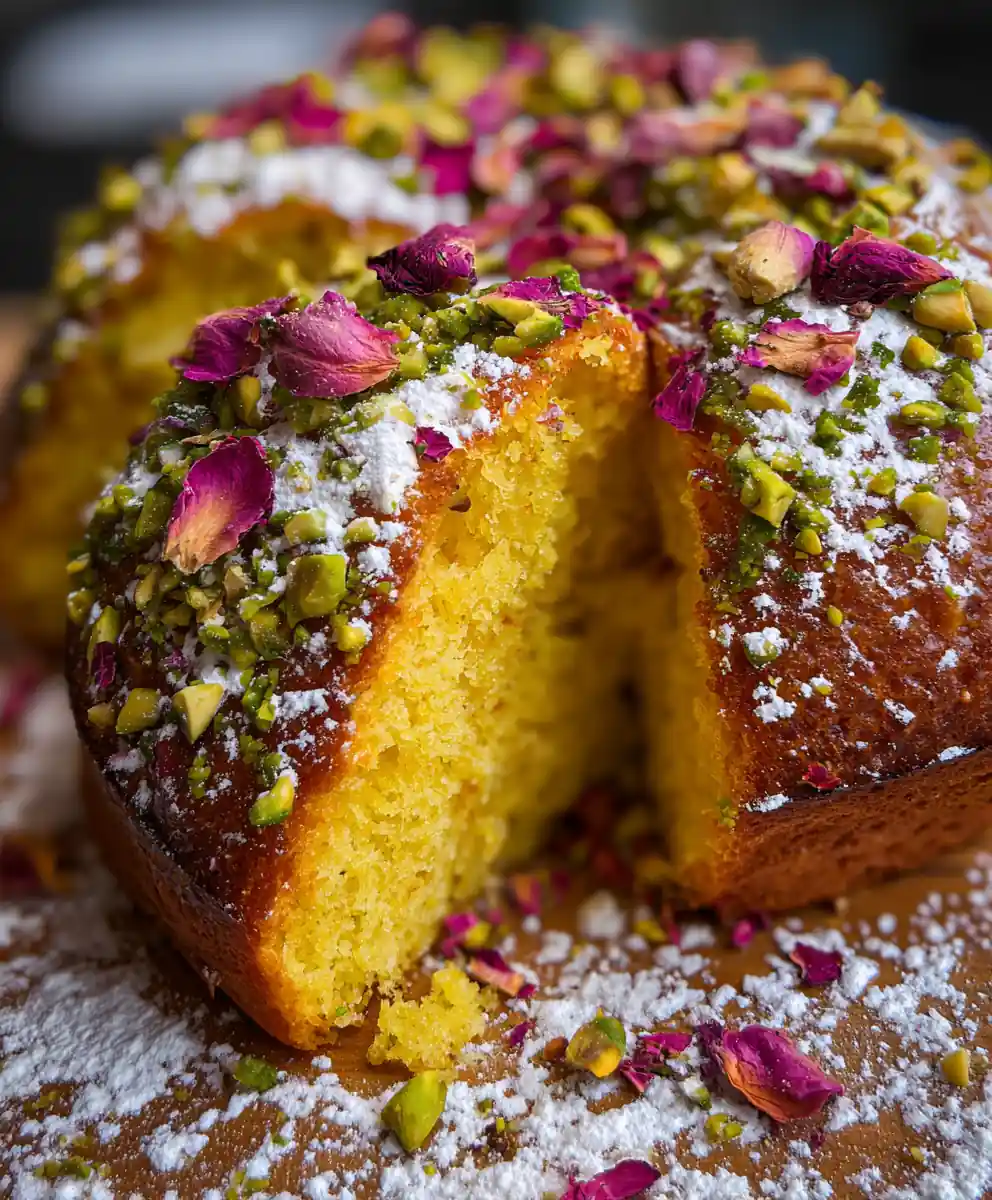
Remove the golden-brown coco bread from the oven and transfer immediately to a wire rack to cool completely. Once cooled, arrange a few pieces on a plate, lightly dust with powdered sugar, and scatter with toasted pistachios and dried rose petals for an inviting presentation and delicious experience.
Troubleshooting tips for common issues:
- Dough not rising: Check your yeast freshness and ensure the coconut milk was warmed to the correct temperature range of 40-45°C (105-115°F).
- Too dense: Avoid over-kneading the dough, and always allow for both the first and second proofing periods to fully develop the airy texture.
- Burnt crust: Your oven might be running hot; check the temperature. If browning too quickly, tent the coco bread loosely with foil during the last few minutes of baking.
Perfect Occasions and Make-Ahead Uses
This versatile bread is perfect for a variety of dining situations. Its subtle sweetness and tender texture make it a delightful addition to many meals and snacks.
- Perfect with a hearty stew or curry for easy dinner ideas on busy weeknights.
- An authentic side for family gatherings or holiday meals, always a hit.
- Great for school lunches or a comforting high-protein snack any time.
- Pairs wonderfully with a cup of coffee for breakfast.
Pairings
- Sides: Classic pairing with Jamaican patties, beef stew, or curried chicken.
- Spreads: A smear of butter, jam, or even cream cheese.
- Drinks: Hot tea, coffee, or a glass of cold milk.
Meal Prep Notes
Preparing this coco bread recipe ahead of time is incredibly easy. I often bake a double batch on Sundays for quick grab-and-go options throughout the week.
- Containers: Store fully cooled coco bread in an airtight container at room temperature for up to 3 days.
- Freezer guidance: Fully cooled coco bread freezes beautifully for up to 2-3 months. Wrap individual pieces tightly in plastic wrap, then foil, before freezing.
- Reheating best practices: Thaw overnight in the fridge or at room temp. Reheat in a preheated oven at 300°F (150°C) for 10-15 minutes, or briefly microwave for a quick warm-up.
Wellness and Lifestyle Highlights of Coco Bread
Our coco bread recipe fits perfectly into a wholesome, family-friendly lifestyle. It offers satisfying sustenance without compromising on flavor, making it a wonderful addition to healthy eating plans.
- Energy Boosting: Wholesome carbohydrates provide sustained energy for busy days.
- Family-Friendly: A crowd-pleaser that everyone, from kids to adults, loves.
- Budget-Friendly: Making this bread at home is often more economical than store-bought versions.
- Customizable: Easy to adjust for various dietary preferences, such as reducing sugar.
This coco bread recipe is a great option for easy-to-make bread recipes that support your goals. Discover comforting snack ideas that are also satisfying, a wonderful choice for delicious homemade bread benefits.
Everyday Value and Practical Benefits
This coco bread recipe offers incredible value for busy households. It’s a truly rewarding baking project that yields incredible results, proving homemade goodness doesn’t require complex steps.
- Significantly more cost-effective than buying bakery versions, saving your grocery budget.
- Uses common pantry staples you likely already have, simplifying shopping.
- Highly flexible – enjoy it savory alongside a main dish or sweet with jam.
It’s fantastic for packing into lunch boxes for a delicious midday treat. Leftovers are eagerly anticipated and just as good the next day, making it a smart choice for meal prep recipes or quick family dinners. It’s also a unique and appreciated contribution to potlucks and family gatherings.
Expert Tips, Adjustments, and Safety Notes
Technique Improvements for Flavor/Texture
- Don’t skip the proofing steps; patience here leads to the lightest, airiest coco bread.
- Use a kitchen scale for precise ingredient measurements, especially flour, for consistent results.
- An egg wash (egg yolk + a splash of water) before baking gives a beautiful, golden shine.
Adjust Seasoning or Spice for Regional Taste
- Add a pinch of freshly grated nutmeg to the dough for an extra layer of warmth and complexity.
- Vary the sugar amount to suit your preference, from subtly sweet to slightly sweeter, without impacting the rise.
Simple Allergy/Diet Modifications
- For gluten-free: Use a 1:1 gluten-free flour blend. Expect the texture to vary slightly, perhaps a bit denser.
- For dairy-free: Substitute regular unsalted butter with an equal amount of plant-based butter and cow’s milk with more full-fat coconut milk.
- Reduced sugar: Simply cut the amount of granulated sugar in half or use a sugar substitute designed for baking.
FAQs
Is this bread suitable for meal prep and freezing?
Yes, this bread is excellent for meal prep. Once fully cooled, wrap individual pieces tightly in plastic wrap, then foil, and freeze for up to 2-3 months. Reheat them directly from frozen or after thawing in the fridge for convenience.
Where can I order quality ingredients for this recipe?
Most ingredients for making this wonderful bread, like flour, sugar, and yeast, are readily available at any major grocery store. For specific brands of quality coconut milk or organic flour, check specialty food stores or reliable online retailers. My local store usually has everything I need for a good batch.
How to make this bread kid-friendly or lighter?
To make it kid-friendly, shape the dough into smaller rolls or fun animal shapes before the second rise. For a lighter version, use unsweetened coconut milk and reduce the sugar amount by half. You can also experiment with a blend of whole wheat and all-purpose flour for added fiber.
What gives coco bread its unique flavor?
The distinct flavor of coco bread comes primarily from the full-fat coconut milk. This ingredient imparts a subtle sweetness and a rich, tender texture that sets it apart from regular white bread. It’s the key to that authentic Caribbean taste.
Can I make this coco bread recipe without a stand mixer?
Absolutely! This recipe can be made entirely by hand. Be prepared for a good arm workout during the kneading process; it typically takes 8-10 minutes to achieve a smooth, elastic dough that’s ready for its first rise.
How long does homemade bread stay fresh?
Homemade bread is best enjoyed fresh on the day it’s baked for peak softness. However, it will stay wonderfully soft and delicious for 2-3 days when stored in an airtight container at room temperature. For longer storage, freezing is an excellent option.
What’s the best way to serve this Caribbean favorite?
Serve this Caribbean favorite warm, either plain or with a generous spread of butter. It’s famously paired with savory dishes like Jamaican patties, hearty stews, or curries, but also delightful with jam, cream cheese, or simply alongside your morning coffee. It’s truly versatile!
Conclusion
This easy recipe brings the comforting taste of the Caribbean right to your table, proving homemade deliciousness for healthy family eating doesn’t have to be complicated.
I hope you’ll love having this versatile bread; save this family-favorite recipe on Pinterest for your next cozy meal or gathering!
Print
coco bread recipe
- Total Time: 215 minutes
- Yield: 12 servings
- Diet: General
Description
This recipe offers an easy way to bake incredibly soft and subtly sweet Caribbean coco bread at home. It’s a fluffy, flavorful loaf, perfect for busy weeknights or gatherings, bringing comfort and joy to your kitchen.
Ingredients
- 500 g strong bread flour, plus more for dusting
- 60 g granulated sugar
- 7 g instant dry yeast
- 8 g fine sea salt
- 240 ml full-fat coconut milk, warmed to 40-45C (105-115F)
- 60 g unsalted butter, melted and cooled slightly
- 15 g unsalted butter, softened for brushing
- 60 ml lukewarm water, more if needed
- 0.2 g saffron threads, crushed slightly
- 5 g ground cardamom
- 30 g toasted unsalted pistachios, roughly chopped
- 2 g dried edible rose petals, finely chopped
- 15 g powdered sugar
Instructions
- Activate Yeast: In a small bowl, combine the warmed coconut milk (40-45C / 105-115F), saffron threads, and half of the granulated sugar. Stir gently and let steep for 10-15 minutes until the milk takes on a fragrant, golden hue.
- Mix Dry Ingredients: In a large mixing bowl, whisk together the strong bread flour, remaining granulated sugar, instant dry yeast, fine sea salt, and ground cardamom until well combined.
- Combine Wet and Dry: Pour the saffron-infused coconut milk, melted butter, and lukewarm water into your dry ingredients. Mix with a sturdy spoon or your hands until a shaggy dough forms, feeling somewhat sticky. Then, turn the dough out onto a lightly floured surface.
- Knead the Dough: Knead the dough for 8-10 minutes on a lightly floured surface until it becomes smooth, elastic, and feels less sticky. (If the dough is too sticky, add a teaspoon of flour; if too dry, add a teaspoon of water.) Form the kneaded dough into a smooth ball.
- First Rise: Lightly grease a clean bowl with oil. Place the dough ball inside, turning it once to coat, then cover with plastic wrap. Let it rise in a warm spot for 60-90 minutes, or until it has visibly doubled in size and feels airy.
- Shape the Loaves: Gently punch down the risen dough to release air and turn it onto a lightly floured surface. Divide the dough into 12 equal pieces. Roll each into a small ball, then flatten it into an oval about 15 cm (6 inches) long. Brush one side with softened butter, then fold it over to form a half-moon, gently pressing the edges to seal.
- Second Rise: Arrange your shaped coco bread pieces on a baking sheet lined with parchment paper, leaving space between them. Cover loosely with plastic wrap and let rise for a second time for 30-45 minutes, until they look visibly puffy and light.
- Bake to Perfection: Preheat your oven to 190C (375F). Bake the coco bread for 15-20 minutes. They will turn a beautiful golden brown on top, with saffron enhancing this rich color. A light tap on the bottom should sound hollow.
- Cool and Serve: Remove the golden-brown coco bread from the oven and transfer immediately to a wire rack to cool completely. Once cooled, arrange a few pieces on a plate, lightly dust with powdered sugar, and scatter with toasted pistachios and dried rose petals for an inviting presentation and delicious experience.
Notes
Ensure yeast is fresh and active, and warm coconut milk to 40-45C (105-115F) for proper rise. Avoid over-kneading and allow full proofing for airy texture. If crust browns too quickly, tent with foil. Store coconut milk in a cool, dry place until opened, then refrigerate.
- Prep Time: 45 minutes
- Cook Time: 20 minutes
- Category: Bread
- Method: Baking
- Cuisine: Caribbean
Nutrition
- Serving Size: 1 piece (70 g)
- Calories: 300 calories
- Sugar: 22 g
- Sodium: 250 mg
- Fat: 13 g
- Saturated Fat: 7 g
- Unsaturated Fat: 5 g
- Trans Fat: 0 g
- Carbohydrates: 45 g
- Fiber: 2 g
- Protein: 7 g
- Cholesterol: 20 mg
FREE PRINTABLE RECIPE
Get the Printable Recipe PDF (Free)
Enter your email and we’ll send you the ingredients + step-by-step instructions as a clean PDF you can save to your phone.
- ✅ Printable PDF (ingredients + steps)
- ✅ Save it to your phone (no long scrolling)
- ✅ Includes cook time + servings
- ✅ Easy to follow
FAQ
Where’s the full recipe?
It’s delivered as a printable PDF so you can save it and cook without scrolling.
I didn’t get the email.
Check Spam/Promotions and search your inbox for your site name. Then click Confirm to receive the PDF.